

When you purchase a new HP computer, you may notice that it comes pre-installed with various software and applications. One such application is HP Quick Start. In this article, we will explore what HP Quick Start is, its purpose, and whether or not you should remove it from your computer.
What is HP Quick Start?
HP Quick Start is a software application developed by Hewlett-Packard (HP) that is designed to provide users with a quick and easy way to access their favorite applications, files, and websites. It is essentially a launcher or dashboard that allows users to organize and access their most frequently used programs and files from a single interface.
HP Quick Start is typically located in the Windows taskbar and can be accessed by clicking on its icon. Once opened, users can customize the dashboard by adding shortcuts to their preferred applications, files, and websites. This allows for quick and convenient access to these items without having to navigate through multiple folders or search for them individually.
The Purpose of HP Quick Start
The main purpose of HP Quick Start is to enhance the user experience by providing a centralized location for accessing frequently used programs and files. It aims to simplify and streamline the process of launching applications and accessing files, ultimately saving users time and effort.
By allowing users to customize the dashboard with their preferred shortcuts, HP Quick Start enables them to personalize their computing experience and tailor it to their specific needs. This can be particularly beneficial for individuals who use certain applications or files on a regular basis and want to have them readily available.
Should You Remove HP Quick Start?
Whether or not you should remove HP Quick Start from your computer depends on your personal preferences and usage patterns. Here are a few factors to consider:
1. Personalization and Convenience
If you find value in having a centralized dashboard for accessing your favorite applications, files, and websites, then HP Quick Start can be a useful tool. Its customization options allow you to personalize the dashboard according to your needs, making it a convenient way to access frequently used items.
2. System Resources
Like any software application, HP Quick Start utilizes system resources such as CPU and memory. While it is designed to be lightweight and should not significantly impact system performance, removing it can free up some resources that can be allocated to other tasks or applications.
3. Alternative Launchers
If you decide to remove HP Quick Start, there are alternative launcher applications available that offer similar functionality. These third-party launchers often provide additional features and customization options, allowing you to further personalize your computing experience. One such alternative is Revo Uninstaller Free, which not only helps you uninstall applications but also offers a range of other system optimization tools.
How to Remove HP Quick Start
If you have decided to remove HP Quick Start from your computer, you can do so using the following steps:
- Click on the Windows Start button and open the Control Panel.
- Under the Programs section, click on “Uninstall a program.”
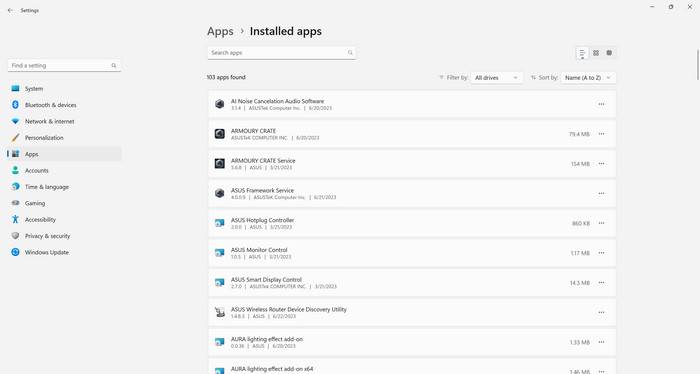
- Locate HP Quick Start in the list of installed programs.
- Right-click on HP Quick Start and select “Uninstall.”
- Follow the on-screen prompts to complete the uninstallation process.
Alternatively, you can use a third-party uninstaller tool like Revo Uninstaller Free to remove HP Quick Start. These tools often provide more thorough removal by scanning for leftover files and registry entries associated with the application.
Conclusion
HP Quick Start is a software application developed by HP that provides users with a convenient way to access their favorite applications, files, and websites. Whether or not you should remove it depends on your personal preferences and usage patterns. If you find value in its customization options and centralized dashboard, then it can be a useful tool. However, if you prefer alternative launchers or want to free up system resources, removing HP Quick Start is an option. Remember to use a reliable uninstaller tool like Revo Uninstaller Free for a thorough removal process.

Join the discussion
0 commentsShare your experience or ask a question about this article.
Discussion
Start the conversation
Have a question or something useful to share? Add the first comment.