

When you purchase a new HP computer or laptop, you may notice that it comes pre-installed with various software and services. One such service is the HP Registration Service. In this article, we will explore what the HP Registration Service is, its purpose, and whether or not you should remove it from your device.
What is the HP Registration Service?
The HP Registration Service is a software program that comes pre-installed on HP computers and laptops. Its primary function is to collect information about your device and register it with HP. This registration allows HP to provide you with support, updates, and warranty services specific to your device.
When you first set up your HP computer, you may be prompted to register your device using the HP Registration Service. This process typically involves providing your contact information, product details, and agreeing to the terms and conditions set by HP.
The Purpose of the HP Registration Service
The HP Registration Service serves several purposes:
- Warranty Support: By registering your device, you ensure that you receive the full benefits of the manufacturer’s warranty. This includes access to technical support, repairs, and replacement parts if necessary.
- Product Updates: HP may use the information collected through the registration service to provide you with important software and driver updates. These updates can improve the performance, security, and compatibility of your device.
- Customer Support: Registering your device allows HP to provide personalized customer support tailored to your specific product. This can help resolve any issues or concerns you may have more efficiently.
Should I Remove the HP Registration Service?
While the HP Registration Service offers benefits, some users may prefer to remove it from their devices. Here are a few reasons why you might consider removing the HP Registration Service:
- Resource Usage: The HP Registration Service runs in the background of your device, consuming system resources such as CPU and memory. If you have limited resources or prefer to have full control over your device’s performance, removing the service can free up these resources.
- Privacy Concerns: Some users may have concerns about the data collected by the HP Registration Service. While HP states that the information is used for support and warranty purposes, if you are uncomfortable with sharing this data, removing the service can alleviate those concerns.
- Unwanted Notifications: The HP Registration Service may occasionally display notifications or reminders related to product updates or promotions. If you find these notifications intrusive or unnecessary, removing the service can eliminate them.
How to Remove the HP Registration Service
If you have decided to remove the HP Registration Service from your device, there are a few methods you can use:
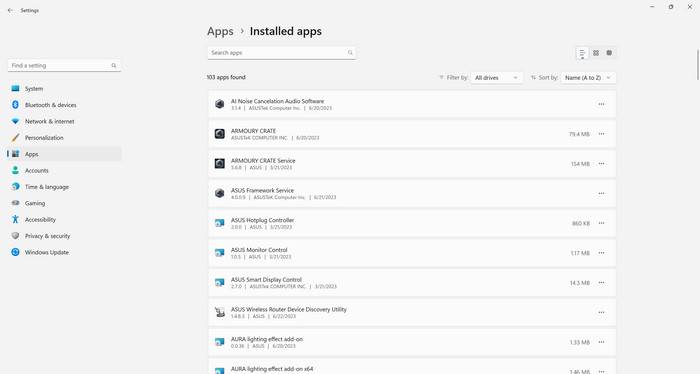
- Manual Uninstallation: You can uninstall the HP Registration Service manually through the Control Panel on your Windows device. Simply navigate to the “Programs and Features” section, locate the HP Registration Service, and select “Uninstall.”
- Third-Party Uninstaller: Using a third-party uninstaller tool can simplify the removal process and ensure that all associated files and registry entries are properly deleted. One recommended tool is Revo Uninstaller Free.
When using a third-party uninstaller, follow these steps:
- Download and install the third-party uninstaller tool.
- Launch the tool and locate the HP Registration Service in the list of installed programs.
- Select the service and choose the “Uninstall” or “Remove” option.
- Follow the on-screen prompts to complete the uninstallation process.
After removing the HP Registration Service, it is recommended to restart your device to ensure that all changes take effect.
Conclusion
The HP Registration Service is a software program that comes pre-installed on HP computers and laptops. While it offers benefits such as warranty support, product updates, and personalized customer support, some users may prefer to remove it due to resource usage, privacy concerns, or unwanted notifications.
If you decide to remove the HP Registration Service, you can do so manually through the Control Panel or by using a third-party uninstaller tool like Revo Uninstaller Free. Remember to restart your device after the removal process to ensure all changes take effect.
Ultimately, the decision to remove the HP Registration Service depends on your personal preferences and needs. Consider the benefits and drawbacks outlined in this article to make an informed choice that aligns with your usage and privacy preferences.

Join the discussion
0 commentsShare your experience or ask a question about this article.
Discussion
Start the conversation
Have a question or something useful to share? Add the first comment.