

If you are looking for a bargain on a bean chair, hammock, or other products from HSN Factory Outlet Shop, you might want to think twice before placing an order. HSN Factory Outlet Shop is not a legitimate online store, but a scam that has been duping unsuspecting customers with fake websites and outrageous discounts. In this blog post, we will explain what HSN Factory Outlet Shop Scam is, how it works, and what to do if you have fallen victim to it.
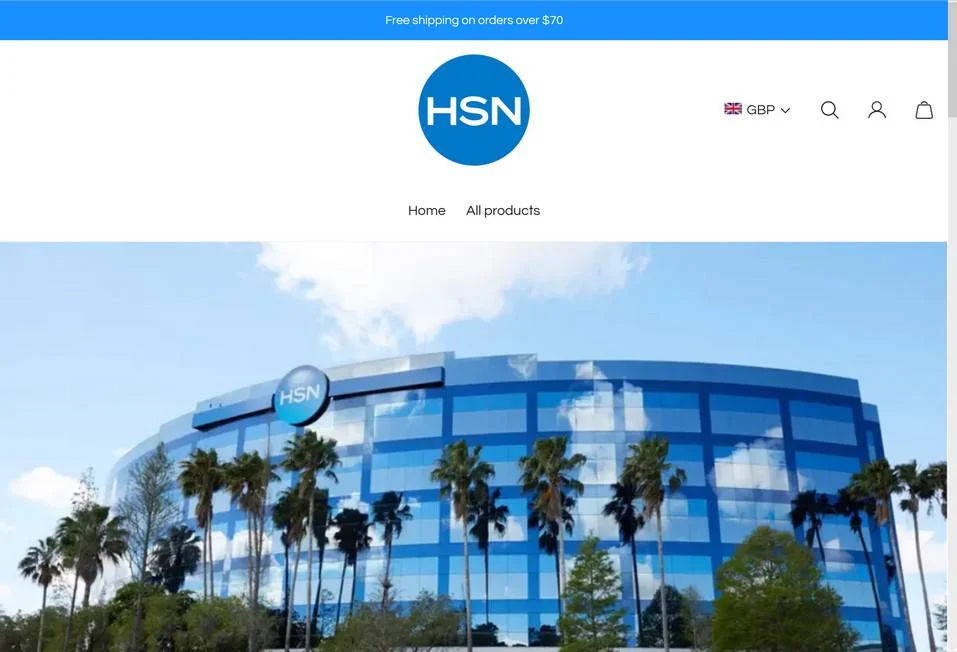
What is HSN Factory Outlet Shop Scam?
HSN Factory Outlet Shop Scam is a fraudulent scheme that involves creating fake websites that pretend to be associated with HSN, a popular home shopping network. These websites use the HSN logo and name, but have different domain names such as hdemw.shop, meteoraire.com, etc. They offer various products such as bean chairs, hammocks, furniture, etc. at very low prices, sometimes up to 70% off. However, these products are either nonexistent or of very poor quality, and customers who order from these websites never receive what they paid for or get something completely different.
How The Scam Works?
The scammers behind HSN Factory Outlet Shop Scam use various tactics to lure customers into their trap. Some of these tactics include:
- Creating fake social media accounts and posting positive reviews and testimonials about their products and services.
- Sending spam emails and messages to potential customers with links to their websites and enticing offers.
- Using bots and fake accounts to comment on popular blogs and forums related to HSN or online shopping.
- Buying ads on search engines and social media platforms to promote their websites and products.
Once a customer visits one of their websites, they are greeted with a professional-looking design and a wide range of products at unbelievable prices. The customer is then prompted to add the products to their cart and proceed to checkout. The website asks for the customer’s personal and financial information, such as name, address, email, phone number, credit card number, etc. The customer is then charged for their order and receives a confirmation email with a tracking number. However, the tracking number is either fake or invalid, and the customer never receives their order or gets something completely different from what they ordered.
What to do if you have fallen victim?
If you have ordered from one of the fake HSN Factory Outlet Shop websites and realized that you have been scammed, here are some steps you can take to protect yourself and your money:
- Contact your bank or credit card company immediately and report the fraudulent transaction. Ask them to cancel your card and issue a chargeback if possible.
- Contact the customer service of the fake website and demand a refund or a replacement. However, do not expect a positive response or any response at all, as these websites are often unresponsive or disappear after a few days.
- Report the scam website to the authorities and online platforms such as Google, Facebook, YouTube, etc. You can also file a complaint with the Federal Trade Commission (FTC) or the Better Business Bureau (BBB).
- Warn your friends and family about the scam and share your experience on social media and review sites.
Conclusion
HSN Factory Outlet Shop Scam is a common online scam that targets customers who are looking for a good deal on HSN products. The scammers behind this scheme create fake websites that mimic HSN’s official website but have different domain names. They offer various products at very low prices but never deliver them or send something different. Customers who order from these websites end up losing their money and personal information.
To avoid falling victim to this scam, you should always be careful when shopping online and follow these tips:
- Check the domain name of the website and make sure it matches the official website of the company or brand you are buying from.
- Look for reviews and ratings of the website and its products from other customers and reputable sources.
- Compare the prices of the products with other websites and see if they are realistic or too good to be true.
- Pay attention to the quality of the website design and content. Look for spelling errors, grammatical mistakes, broken links, etc.
- Use a secure payment method such as PayPal or a credit card that offers fraud protection.

Join the discussion
0 commentsShare your experience or ask a question about this article.
Discussion
Start the conversation
Have a question or something useful to share? Add the first comment.