

A new email scam has been making the rounds that aims to extort money from recipients through threats and deception. The subject line reads “I regret to inform you about some sad news for you,” and the email claims the sender has compromised your devices and monitored your online activities. This “sextortion” scam is designed to intimidate victims into paying a ransom to prevent supposed embarrassing videos and information from being shared.
While this scam email can seem convincing and alarming at first glance, it is important not to let fear cloud your judgment. The claims being made are false and meant only to trick you into giving money to criminals. With the right knowledge, you can take steps to secure your accounts and avoid becoming a victim.
Overview of the I Regret to Inform You About Some Sad News for You Scam
The “I Regret to Inform You About Some Sad News for You” email scam is a form of cyber extortion known as sextortion. Sextortion involves threats to expose compromising or embarrassing materials like photos or videos unless the victim pays a ransom demand. Email is one of the primary methods scammers use to launch broad sextortion phishing campaigns targeting many potential victims quickly and anonymously.
The scam message is carefully crafted to sound formal and authoritative. By starting with “I regret to inform you about some sad news for you,” the email mimics urgent business correspondence about an unfortunate situation. But in reality, the content is completely falsified.
The email claims the sender has access to your computer, accounts, and personal information. It states they have installed malware to surveil and record your online activities, especially viewing adult content. The sender threatens to send these supposed compromising videos and information to all your contacts unless you pay a ransom in Bitcoin within 48 hours.
This sextortion email scam exploits common fears of blackmail, public humiliation, account hacking, spying webcams, and illicit video leaks. By triggering feelings of anxiety and panic, the criminals hope victims will comply with payment demands instead of thinking rationally.
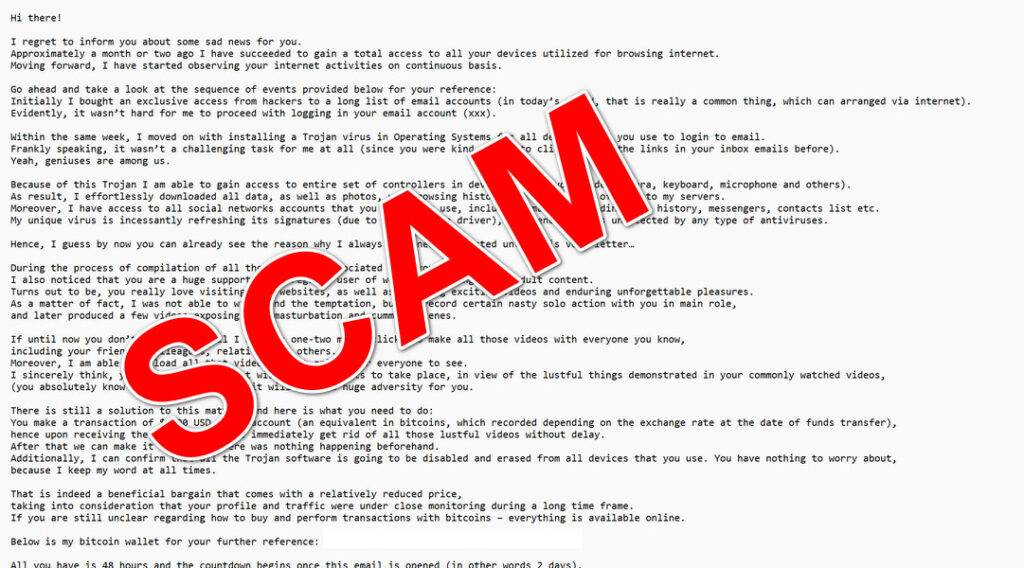
Here is how the “I Regret to Inform You About Some Sad News for You” looks:
Hi there!
I regret to inform you about some sad news for you.
Approximately a month or two ago I have succeeded to gain a total access to all your devices utilized for browsing internet.
Moving forward, I have started observing your internet activities on continuous basis.Go ahead and take a look at the sequence of events provided below for your reference:
Initially I bought an exclusive access from hackers to a long list of email accounts (in today’s world, that is really a common thing, which can arranged via internet).
Evidently, it wasn’t hard for me to proceed with logging in your email account (xxx).Within the same week, I moved on with installing a Trojan virus in Operating Systems for all devices that you use to login to email.
Frankly speaking, it wasn’t a challenging task for me at all (since you were kind enough to click some of the links in your inbox emails before).
Yeah, geniuses are among us.Because of this Trojan I am able to gain access to entire set of controllers in devices (e.g., your video camera, keyboard, microphone and others).
As result, I effortlessly downloaded all data, as well as photos, web browsing history and other types of data to my servers.
Moreover, I have access to all social networks accounts that you regularly use, including emails, including chat history, messengers, contacts list etc.
My unique virus is incessantly refreshing its signatures (due to control by a driver), and hence remains undetected by any type of antiviruses.Hence, I guess by now you can already see the reason why I always remained undetected until this very letter…
During the process of compilation of all the materials associated with you,
I also noticed that you are a huge supporter and regular user of websites hosting nasty adult content.
Turns out to be, you really love visiting porn websites, as well as watching exciting videos and enduring unforgettable pleasures.
As a matter of fact, I was not able to withstand the temptation, but to record certain nasty solo action with you in main role,
and later produced a few videos exposing your masturbation and cumming scenes.If until now you don’t believe me, all I need is one-two mouse clicks to make all those videos with everyone you know,
including your friends, colleagues, relatives and others.
Moreover, I am able to upload all that video content online for everyone to see.
I sincerely think, you certainly would not wish such incidents to take place, in view of the lustful things demonstrated in your commonly watched videos,
(you absolutely know what I mean by that) it will cause a huge adversity for you.There is still a solution to this matter, and here is what you need to do:
You make a transaction of $1490 USD to my account (an equivalent in bitcoins, which recorded depending on the exchange rate at the date of funds transfer),
hence upon receiving the transfer, I will immediately get rid of all those lustful videos without delay.
After that we can make it look like there was nothing happening beforehand.
Additionally, I can confirm that all the Trojan software is going to be disabled and erased from all devices that you use. You have nothing to worry about,
because I keep my word at all times.That is indeed a beneficial bargain that comes with a relatively reduced price,
taking into consideration that your profile and traffic were under close monitoring during a long time frame.
If you are still unclear regarding how to buy and perform transactions with bitcoins – everything is available online.Below is my bitcoin wallet for your further reference: 1GS1SRz3QBC1NUeuhu8EWkx37qQXanUxGG
All you have is 48 hours and the countdown begins once this email is opened (in other words 2 days).
The following list includes things you should remember and avoid doing:
> There’s no point to try replying my email (since this email and return address were created inside your inbox).
> There’s no point in calling police or any other types of security services either. Furthermore, don’t you dare sharing this info with any of your friends.
If I discover that (taking into consideration my skills, it will be really simple, because I control all your systems and continuously monitor them) –
your nasty clip will be shared with public straight away.
> There’s no point in looking for me too – it won’t result in any success. Transactions with cryptocurrency are completely anonymous and untraceable.
> There’s no point in reinstalling your OS on devices or trying to throw them away. That won’t solve the issue,
since all clips with you as main character are already uploaded on remote servers.Things that may be concerning you:
> That funds transfer won’t be delivered to me.
Breathe out, I can track down everything right away, so once funds transfer is finished,
I will know for sure, since I interminably track down all activities done by you (my Trojan virus controls all processes remotely, just as TeamViewer).
> That your videos will be distributed, even though you have completed money transfer to my wallet.
Trust me, it is worthless for me to still bother you after money transfer is successful. Moreover, if that was ever part of my plan, I would do make it happen way earlier!We are going to approach and deal with it in a clear manner!
In conclusion, I’d like to recommend one more thing… after this you need to make certain you don’t get involved in similar kind of unpleasant events anymore!
My recommendation – ensure all your passwords are replaced with new ones on a regular basis.
How the “I Regret to Inform You About Some Sad News for You” Email Scam Works
The scam email is carefully designed to seem personal and alarming. It starts by claiming the sender has gained access to your devices and has been monitoring your online activities and behaviors. The message asserts they have access to your social media accounts, browser history, emails, contacts list, and more.
The email also makes the false claim that malware or a Trojan virus was installed on your devices which allows them to continually monitor your activity and evade detection by anti-virus software. These are lies intended to make their hacking claims seem plausible.
Next, the email states they have compiled embarrassing or compromising information about you, often saying they recorded you watching adult content online. The sender threatens to share this video or information with all your contacts if you don’t pay them a certain amount of money, usually requested in Bitcoin.
The email sets a short deadline, often 48 hours, for you to pay and threatens dire consequences if you go to authorities or fail to pay in time. It aims to scare you into quickly complying with their demands.
What to Do If You Receive This Scam Email
If you receive an email with the subject “I regret to inform you about some sad news for you” or any message threatening to expose compromising information about you if you don’t pay, remain calm and take the following steps:
- Do not respond to the email or pay the ransom request under any circumstances. This will likely just lead to additional demands.
- Do not open any attachments or click any links within the scam email, which could contain malware.
- Forward the scam email to the Anti-Phishing Working Group at phish@apwg.org and then delete it to help shut down the scam.
- Run a full antivirus scan on all your devices to check for malware infections.
- Change passwords on all your online accounts as a precautionary measure. Use strong, unique passwords for each account.
- Alert contacts about the scam if the email threatens to send them content. Let them know to delete anything questionable sent from your accounts.
- Report the scam email to the FBI’s Internet Crime Complaint Center at www.ic3.gov. Provide sender details like email addresses.
- Contact email providers to shut down scam accounts. Provide them with header details of scam messages.
- Place a fraud alert and monitor your credit reports in case your information was compromised.
The most important things are not to let fear and panic cloud your judgment, avoid paying anything, and take steps to secure accounts that may have been compromised. This scam relies on intimidation – don’t let them win.
Is Your Device Infected? Run a Free Malware Scan
Slow performance, constant pop-ups, or strange behavior? These are classic signs of a malware infection. The fastest way to find out is to scan your device with Malwarebytes Free — one of the most trusted malware removal tools available.
The free version detects and removes the most common threats, including:
- Adware — the cause of those annoying pop-ups
- Browser hijackers — unwanted redirects and changed homepages
- Trojans and spyware — hidden programs stealing your data
- Potentially unwanted programs (PUPs) — software you never asked for
👉 Select your device below — Windows, Mac, or Android — then follow the simple steps to download Malwarebytes, scan your system, and remove any threats it finds. The scan usually takes 5 to 20 minutes.
Run a Malware Scan with Malwarebytes for Windows
Malwarebytes is one of the most popular and trusted anti-malware tools for Windows — and it’s completely free for removing infections. It catches threats that many antivirus programs miss, including adware, browser hijackers, and trojans. Follow the steps below to scan and clean your PC in just a few minutes.
Download Malwarebytes
Click the button below to download the latest version of Malwarebytes for Windows from the official source. The free version is all you need — it will scan your computer and remove adware, browser hijackers, and other malicious software at no cost.
Download MalwarebytesOfficial installer for Windows 11 and 10. Your download starts right away.Want real-time protection? See Malwarebytes Premium Malwarebytes Free for WindowsScans and removes malware at no cost
-
Install Malwarebytes
When the download finishes, open your Downloads folder and double-click the MBSetup file. If Windows shows a User Account Control pop-up, click “Yes” to allow the installation.
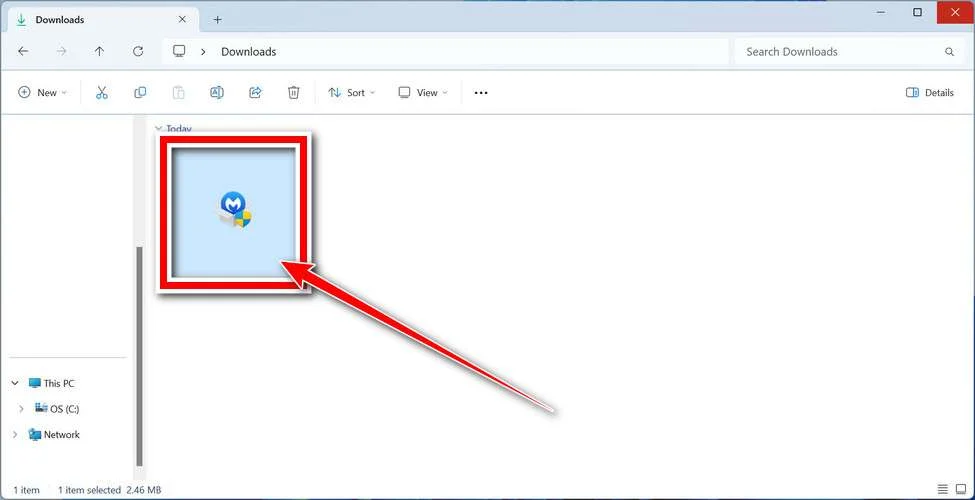
Follow the On-Screen Prompts to Install Malwarebytes
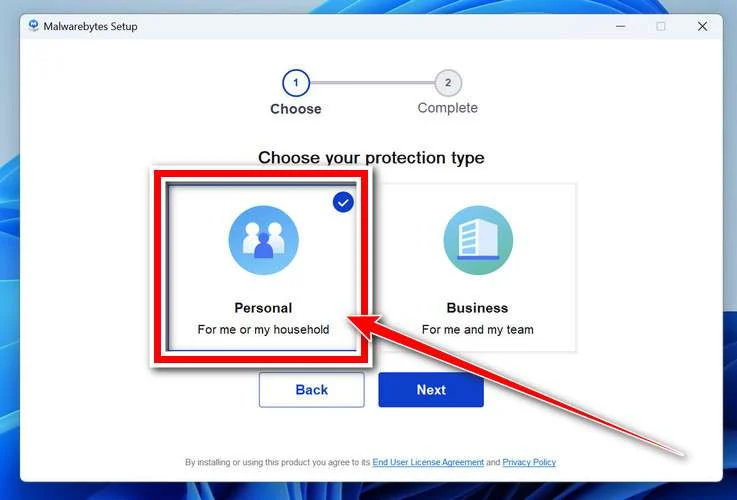
The setup wizard will walk you through a few quick screens:
-
Choose where you’re installing the program — “Personal Computer” or “Work Computer” — then click Next.
-
Malwarebytes will now install on your device. This usually takes under a minute.

-
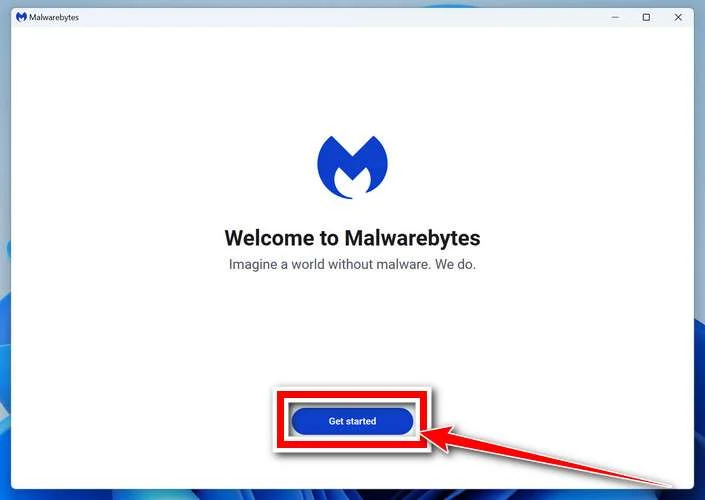
When installation is complete, the “Welcome to Malwarebytes” screen will open automatically.
-
On the final screen, click Open Malwarebytes to launch the program.

-
Enable “Scan for Rootkits”
Before scanning, turn on rootkit detection so Malwarebytes can find even the most hidden threats. Click the Settings gear icon on the left side of the screen.
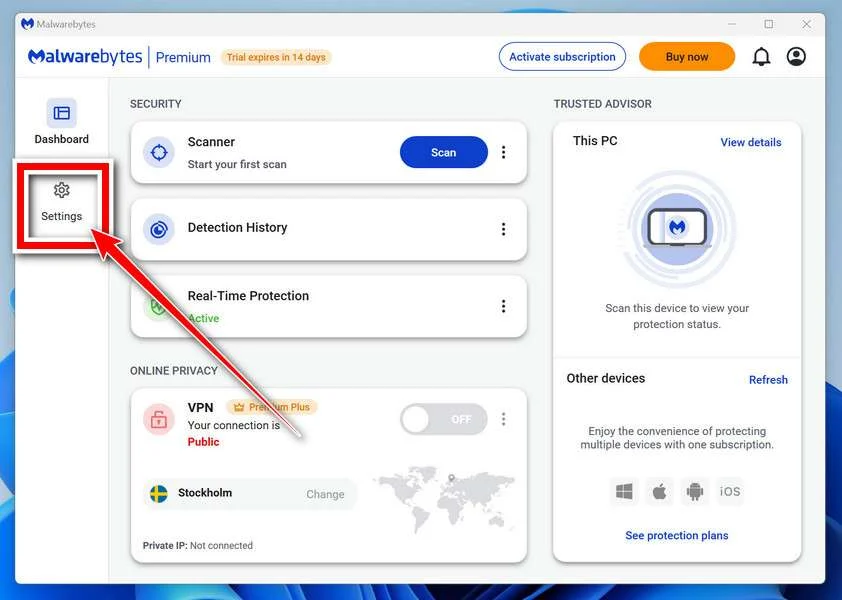
In the settings menu, find “Scan for rootkits” and click the toggle so it turns blue.

Done? Click “Dashboard” in the left pane to return to the main screen.
Start the Scan
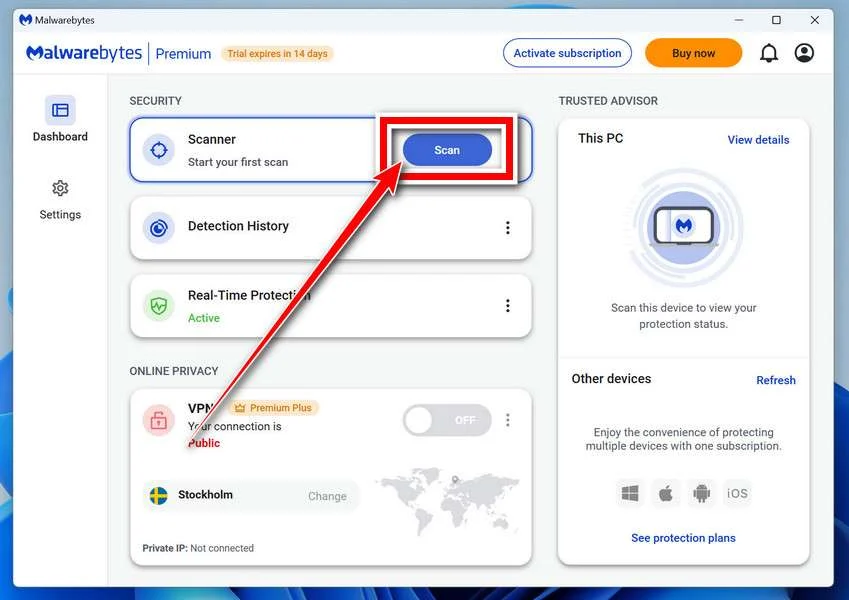
Click the blue Scan button. Malwarebytes will automatically update its virus database and start checking your computer for malware.
-
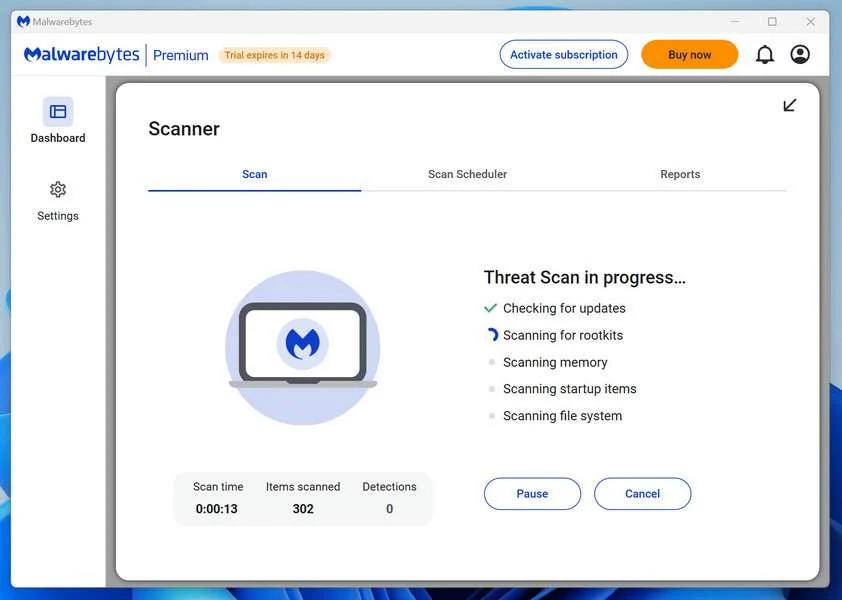
Wait for the Scan to Finish
The scan checks your entire system for browser hijackers and other malicious programs, so it can take 5 to 20 minutes depending on your computer. Feel free to do something else — just check back occasionally to see the progress.
-
Quarantine the Detected Threats
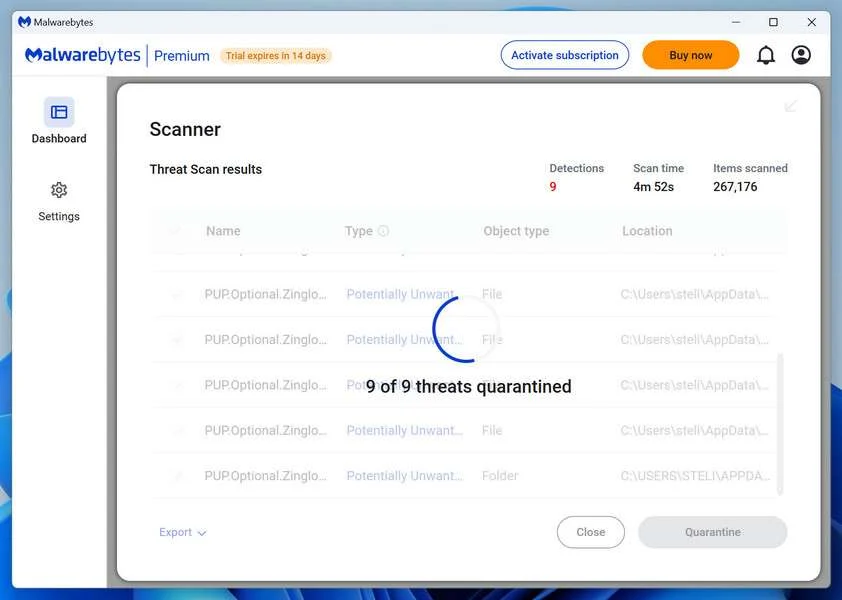
When the scan is done, you’ll see a list of everything Malwarebytes found — malware, adware, and potentially unwanted programs. Click the “Quarantine” button to remove all of them at once.
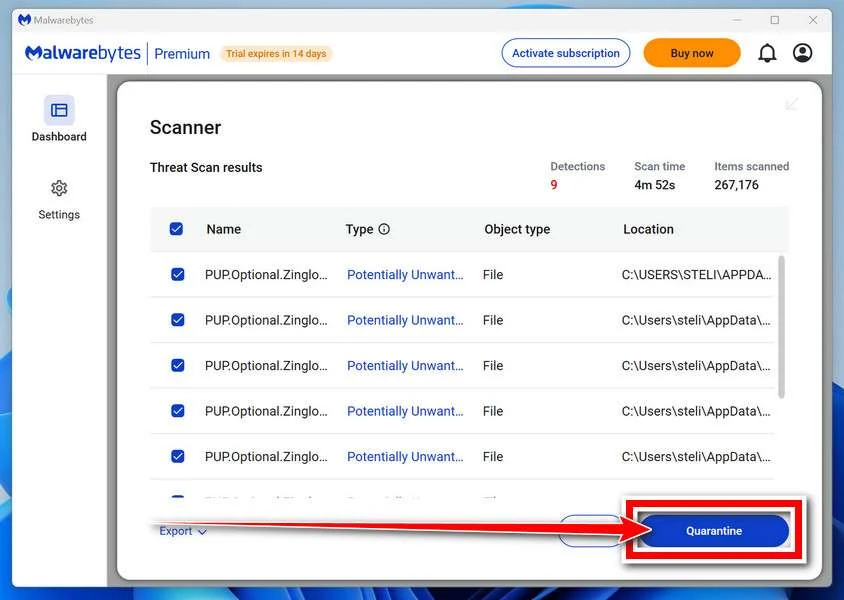
Malwarebytes will now remove the malicious files and registry entries and move them safely into quarantine.
-
Restart Your Computer
Some threats can only be fully removed after a reboot. If Malwarebytes asks you to restart, click Yes. Once you’re logged back in, Malwarebytes has finished removing the threats it found.
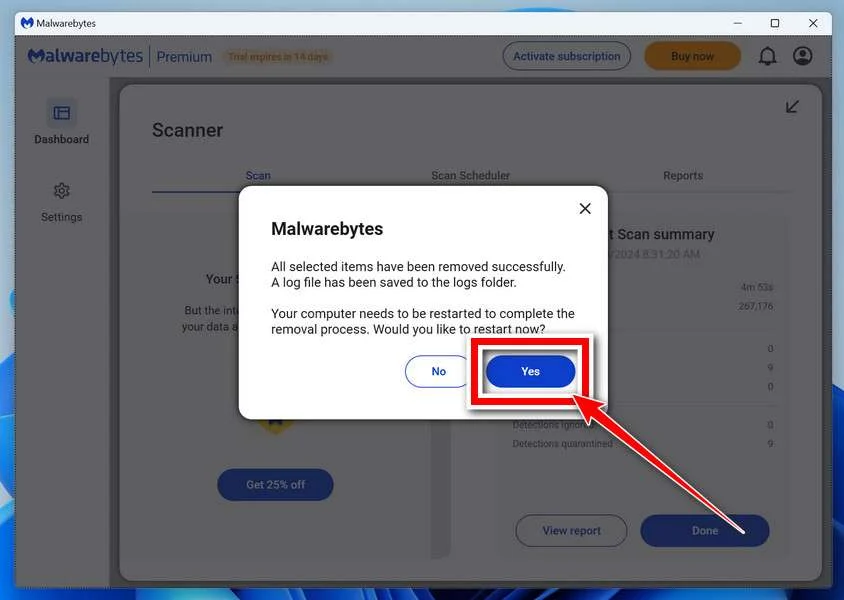
That’s it — your Windows PC is now clean of trojans, adware, and other malware, and should be back to running smoothly.
If you are still having problems with your computer after completing these instructions, then please follow one of the steps:
- Run a computer scan with ESET Online Scanner
- Ask for help in our Windows Malware Removal Help & Support forum.
Run a Malware Scan with Malwarebytes for Mac
Malwarebytes for Mac is a free on-demand scanner that removes the malware other security software tends to miss — adware, browser hijackers, and unwanted programs included. Cleaning an infected Mac with Malwarebytes has always been completely free, and it’s our go-to recommendation. Follow the steps below to scan and clean your Mac in just a few minutes.
-
Download Malwarebytes for Mac
Click the button below to download the latest version of Malwarebytes for Mac.
Download MalwarebytesOfficial installer for macOS. Your download starts right away.Want real-time protection? See Malwarebytes PremiumMalwarebytes Free for MacScans and removes malware at no cost -
Open the Malwarebytes setup file
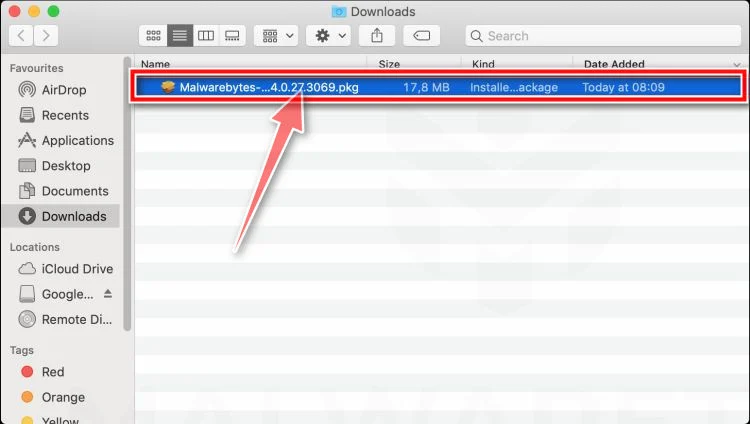
When the download finishes, open your Downloads folder and double-click the setup file to begin the installation.
-
Follow the On-Screen Prompts to Install Malwarebytes
The Malwarebytes for Mac Installer will guide you through a few quick screens. Click “Continue” and keep following the prompts until the installation completes.
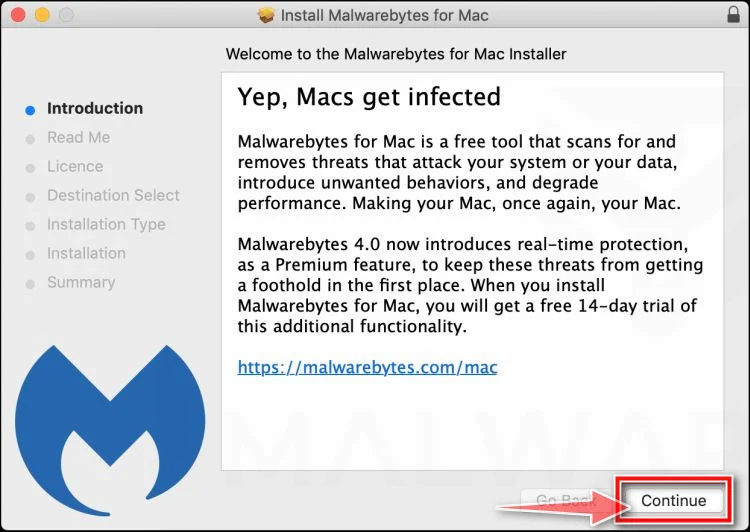
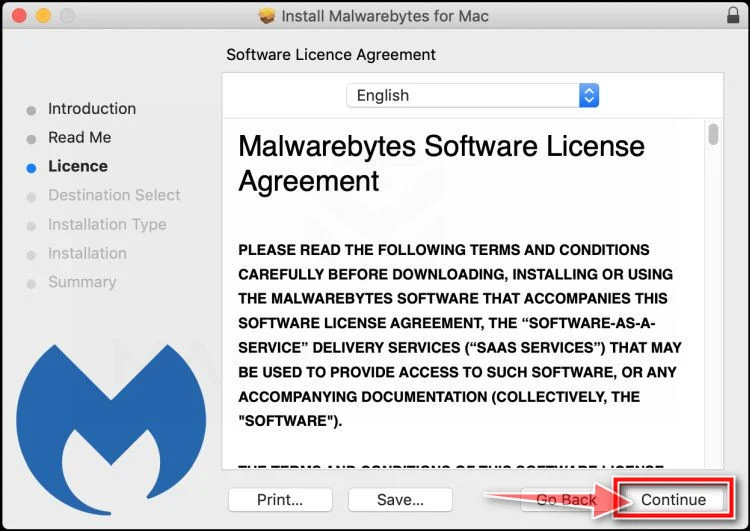
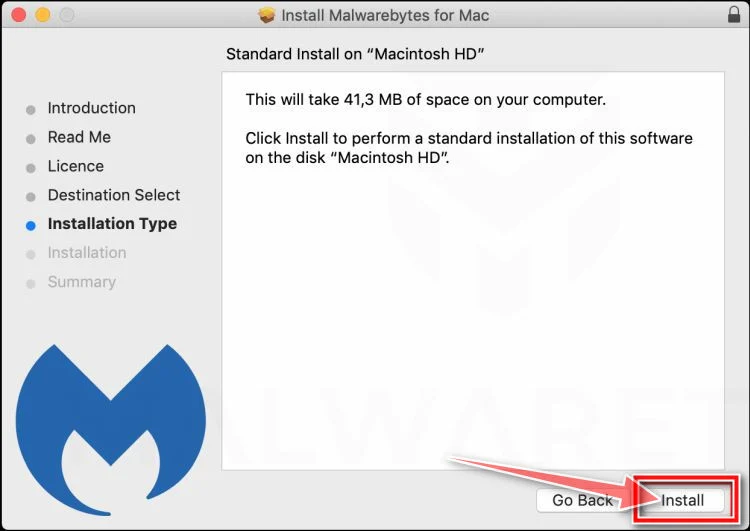
When the installation is complete, Malwarebytes opens to the Welcome to Malwarebytes screen. Click “Get started“.
-
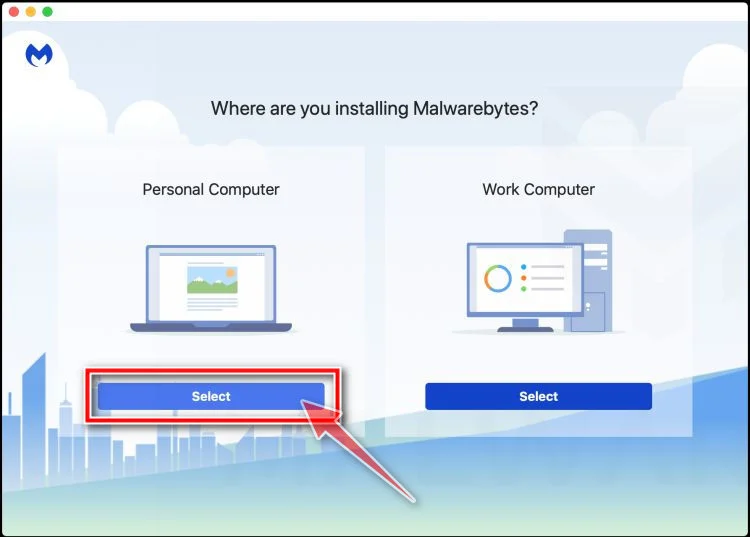
Select “Personal Computer” or “Work Computer”
Malwarebytes will ask what type of computer you’re installing it on. Click either Personal Computer or Work Computer, whichever applies.
-
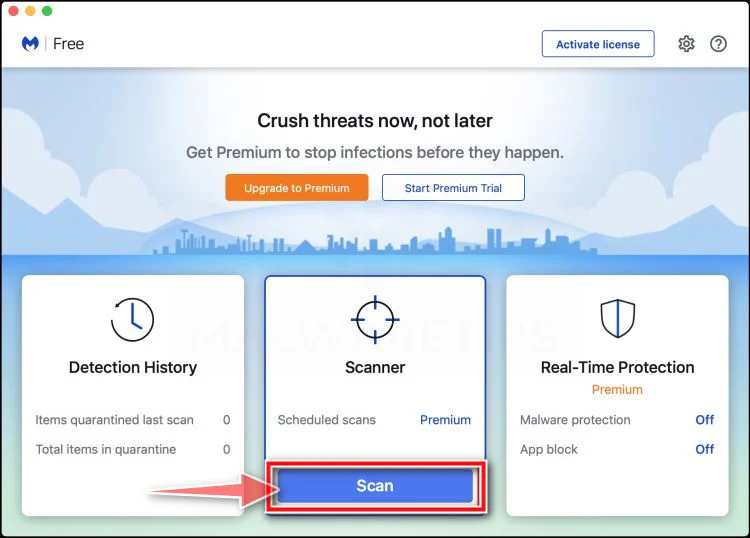
Start the Scan
Click the “Scan” button. Malwarebytes will automatically update its detection database and begin checking your Mac for malware.
-
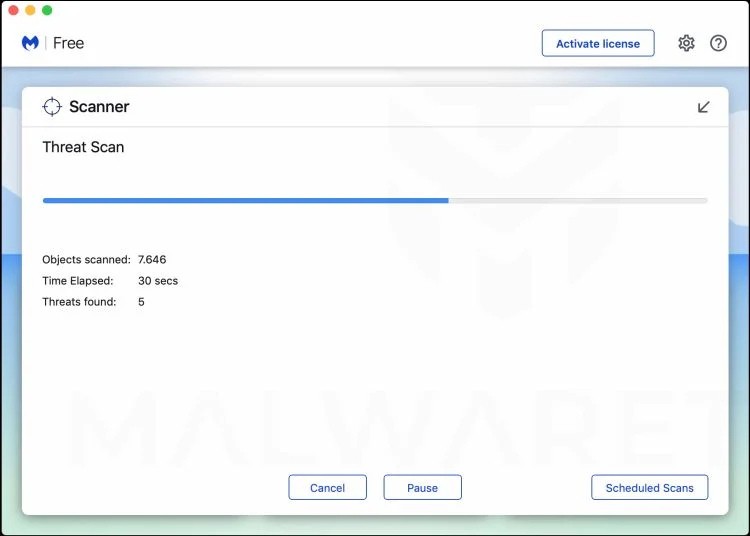
Wait for the Scan to Finish
Malwarebytes will scan your Mac for adware, browser hijackers, and other malicious programs. This can take a few minutes, so feel free to do something else — just check back occasionally to see the progress.
-
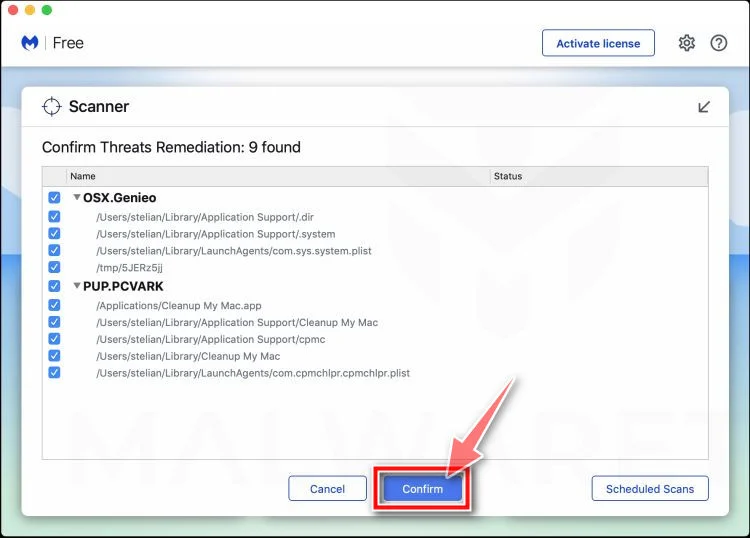
Quarantine the Detected Threats
When the scan is done, you’ll see a list of everything Malwarebytes found. Click the “Quarantine” button to remove all the threats at once.
-
Restart Your Mac
Malwarebytes will now remove all the malicious files it found. Some threats can only be fully removed after a reboot — if Malwarebytes asks you to restart, allow it. Once you’re logged back in, your Mac is clean.
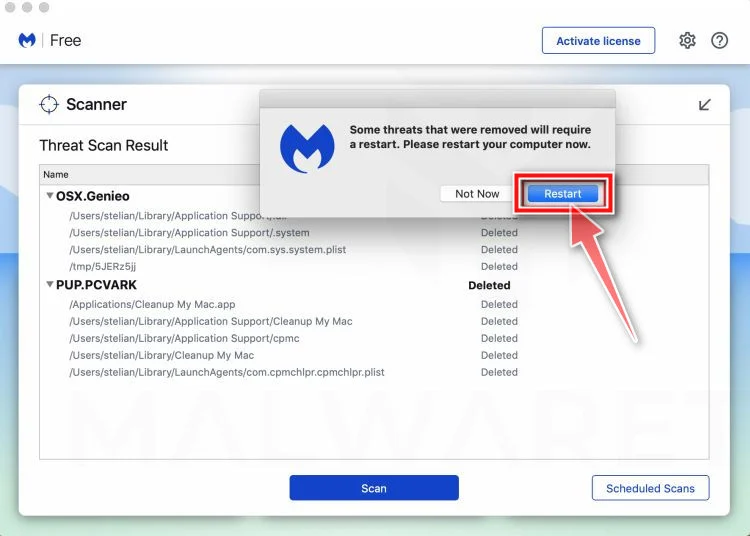
That’s it — your Mac is now free of adware, rogue browser extensions, and other potentially harmful software.
If you are still experiencing problems while trying to remove a malicious program from your computer, please ask for help in our Mac Malware Removal Help & Support forum.
Run a Malware Scan with Malwarebytes for Android
Malwarebytes for Android automatically detects and removes dangerous threats like malware and ransomware so you don’t have to worry about your most-used device being compromised. Aggressive detection of adware and potentially unwanted programs keeps your Android phone or tablet running smooth.
-
Download Malwarebytes for Android.
You can download Malwarebytes for Android by clicking the link below.
Get Malwarebytes for AndroidOpens Google Play in a new tab.Want real-time protection? See Malwarebytes Premium for AndroidMalwarebytes for AndroidScans your phone and removes malware at no cost -
Install Malwarebytes for Android on your phone.
In the Google Play Store, tap “Install” to install Malwarebytes for Android on your device.

When the installation process has finished, tap “Open” to begin using Malwarebytes for Android. You can also open Malwarebytes by tapping on its icon in your phone menu or home screen.

-
Follow the on-screen prompts to complete the setup process
When Malwarebytes will open, you will see the Malwarebytes Setup Wizard which will guide you through a series of permissions and other setup options.
This is the first of two screens that explain the difference between the Premium and Free versions. Swipe this screen to continue.
Tap on “Got it” to proceed to the next step.
Malwarebytes for Android will now ask for a set of permissions that are required to scan your device and protect it from malware. Tap on “Give permission” to continue.
Tap on “Allow” to permit Malwarebytes to access the files on your phone.
-
Update database and run a scan with Malwarebytes for Android
You will now be prompted to update the Malwarebytes database and run a full system scan.

Click on “Update database” to update the Malwarebytes for Android definitions to the latest version, then click on “Run full scan” to perform a system scan.

-
Wait for the Malwarebytes scan to complete.
Malwarebytes will now start scanning your phone for adware and other malicious apps. This process can take a few minutes, so we suggest you do something else and periodically check on the status of the scan to see when it is finished.

-
Click on “Remove Selected”.
When the scan has been completed, you will be presented with a screen showing the malware infections that Malwarebytes for Android has detected. To remove the malicious apps that Malwarebytes has found, tap on the “Remove Selected” button.

-
Restart your phone.
Malwarebytes for Android will now remove all the malicious apps that it has found. To complete the malware removal process, Malwarebytes may ask you to restart your device.
That’s it — your Android phone is now clean — no more malicious apps, adware, or browser redirects.
If you are still having problems with your phone after completing these instructions, then please follow one of the steps:
- Restore your phone to factory settings by going to Settings > General management > Reset > Factory data reset.
- Ask for help in our Mobile Malware Removal Help & Support forum.
Stay Protected: Block Ads and Malicious Sites
Now that your device is clean, keep it that way. Most infections start with a malicious ad or a fake download button — so blocking them at the source is your best defense.
We recommend AdGuard, which blocks malicious ads, phishing pages, and dangerous redirects before they can reach you.
👉 Download AdGuard and browse safely
What to Do If You Already Paid the Scammers
If you already paid the ransom demand, don’t panic. Quickly take the following steps:
- Contact your bank or financial institution to stop any pending transactions or reverse completed payments if possible.
- Report the incident to your local authorities and file an official fraud complaint. Provide information on how you paid the scammers.
- Alert the FBI Internet Crime Complaint Center at www.ic3.gov about the extortion attempt and payment.
- Notify contacts that were threatened about the scam in case the criminals follow through.
- Change all account passwords immediately, enabling two-factor authentication where possible.
- Run antivirus scans to remove any potential malware installed on your devices.
- Place fraud alerts on your credit files and review account statements for signs of identity theft.
- Consider reporting the email address used by the scammers to their email provider.
- Talk to a lawyer or victim advocate about additional steps you can take to protect yourself after paying extortion scammers.
Even if you paid the criminals, continue working to secure your accounts and sensitive information. Don’t communicate further with the scammers, as this will likely lead to additional demands.
Are the Scammers’ Claims Real?
The claims made in the “I Regret to Inform You About Some Sad News for You” sextortion email scam are false. The senders are trying to extort money through deception, intimidation, and playing on people’s fears. Here are the facts:
- They have not hacked your devices or accounts. The malware claims are fabricated to trick you.
- They do not have compromising videos or information about you. This is a bluff.
- They will not send content to your contacts. Extortion only works if they keep you fearful.
- There is no need to pay them or respond. This encourages further demands.
- They cannot monitor your activities or device usage. All the hacking claims are lies.
- They likely do not know your password or have your contacts list.
- They are unwilling to carry out actual cybercrime that risks arrest. It’s all about quick money through fear.
Understanding the false nature of their claims can help you avoid being manipulated by this scam. The criminals rely on intimidation and deceit – not actual hacking skills or embarrassing materials.
Why Scammers Use This Sextortion Tactic
There are several reasons why “I Regret to Inform You About Some Sad News for You” sextortion scams using embarrassment and fear are prevalent:
- Strong motivator: Threatening to expose private/compromising info scares people into paying.
- Increased targets: More people have webcams, take compromising photos/videos, and watch pornography nowadays.
- Anonymous payments: Cryptocurrencies like Bitcoin enable anonymous extortion payments.
- Mass targeting: Emails are cheap to send in mass, requiring minimal effort.
- Low risk: It’s safer for criminals than actual hacking or blackmail follow-through.
- Reliance on fear: Victims are too scared to go to the police or question the claims.
- Hard to trace: Emails can be routed through various servers to hide origins.
The sextortion approach works because it triggers emotional responses in targets – fear, anxiety, shame – that override logical thinking. But being aware of why they choose this tactic can help you avoid falling for it.
Who is Behind the “I Regret to Inform You About Some Sad News for You” Scam?
The “I Regret to Inform You About Some Sad News for You” sextortion scam is likely perpetrated by cybercriminal groups who send mass phishing emails to net victims. Potential culprits include:
- Individual scammers: Amateur hackers or tech-savvy individuals looking to make quick money through extortion scams.
- Organized crime rings: International cybercrime groups running sextortion email schemes to fund other illicit activity.
- State-sponsored groups: Foreign intelligence agencies could utilize this tactic, although less likely.
- Botnets: Networks of infected computers controlled by hackers to distribute phishing scams en masse.
It is challenging to identify exactly who is behind a specific sextortion campaign. Criminals use proxy servers and cryptocurrency to cover their tracks. The emails are untraceable to a single source and may originate from multiple bad actors.
Law enforcement has had some success tracking and prosecuting sextortion groups, including international crime rings in developing countries. But new scammers constantly emerge online. The best protection is learning to recognize and avoid these scams.
Are the Threats in the Email Real?
The threats made in the “I Regret to Inform You About Some Sad News for You” sextortion email scam are almost always empty. The scammers are trying to scare you into paying quickly, not actually follow through on extortion. Here is why their threats are likely bogus:
- Revealing compromising material gains them nothing. Public exposure does not help them extort money from you.
- Actual hacking and monitoring would require more sophisticated skills and significant effort. Most scammers lack the ability to hack your accounts or devices.
- Distributing embarrassing content or harming your reputation are illegal acts with real consequences for them if caught. Extortionists are hoping to avoid punishment, not incur it.
- If they send content to your contacts, their leverage is lost. The scam only works if you stay scared of the threats.
- Follow through risks tracing actions back to them. Staying anonymous is key to continuing their scam.
Understand that sextortion schemes rely primarily on empty threats and deception, not real hacks or distribution of materials. The scarier the threats seem, the less likely scammers are to actually follow through.
How to Report “I Regret to Inform You” Sextortion Emails
If you receive a “I Regret to Inform You About Some Sad News for You” sextortion email, be sure to report it so we can work together to shut down these scams. Here are key ways to report the scam:
- Forward scam emails to the Anti-Phishing Working Group at phish@apwg.org to aid phishing research and take down efforts.
- File a complaint with the FBI Internet Crime Complaint Center at www.ic3.gov. Provide email addresses, Bitcoin wallets, and other details.
- Report the scam to the FTC at ReportFraud.ftc.gov. The more reports they receive, the more resources they can devote to combatting sextortion schemes.
- Contact the email provider used by the scammer to lodge a complaint. Supply full email headers to help identify and block the account.
- Alert cybersecurity authorities in your region to help identify local victims and aid investigations.
- Warn friends, family, colleagues, and contacts who could receive the phishing email to protect them and increase reporting.
Reporting these scams is key to disrupting criminal operations and preventing further targeting. The more reports filed, the better chance law enforcement has of pursuing sextortion groups and shutting them down.
How to Protect Yourself from “I Regret to Inform You About Some Sad News for You” Scams
Here are key tips to protect yourself from falling victim to “I Regret to Inform You About Some Sad News for You” sextortion email scams and threats:
- Use unique complex passwords on all accounts and enable two-factor authentication where possible. This makes it much harder for scammers to hack in.
- Be wary of any emails demanding payment or threatening reputation damage. Verify online threats before taking any action.
- Avoid opening attachments or clicking links within suspicious emails that may contain malware.
- Use comprehensive antivirus software to detect malicious programs like Trojans.
- Turn on email spam filters to flag or block phishing scams. Watch for emails from unknown senders.
- Do not send compromising photos online and limit sharing of personal information publicly or in emails.
- Use a VPN and antivirus on public Wi-Fi to prevent snooping of online activities by hackers.
- Never pay extortion demands. This encourages additional monetary requests and provides funding for criminal enterprises.
- Report all sextortion emails and threats to aid law enforcement tracking efforts.
Exercising caution online and with emails can help you steer clear of sextortion scams and cyber extortion threats. Don’t let fear cloud your judgment if confronted with alarming emails like “I Regret to Inform You About Some Sad News for You”.
Frequently Asked Questions
Here are answers to some common questions regarding the “I Regret to Inform You About Some Sad News for You” sextortion email scam:
Is this a legitimate email? Should I be worried?
No, this scam email is not legitimate. The claims are false and meant to trick you. There is no need to worry as long as you avoid paying anything or responding.
What is a sextortion scam exactly?
Sextortion scams threaten to expose your private or embarrassing information online unless you pay a ransom. Email is a common way for scammers to launch sextortion campaigns targeting many people quickly.
Can they really see me through my webcam?
No, the claims that they accessed your webcam to record you are bogus. It is very difficult for remote criminals to hack into your webcam undetected. This lie is meant to scare you.
What should I do if they threaten to send video to my contacts?
This is an empty threat meant to intimidate you. Alert your contacts about the scam but avoid responding to the criminals at all costs, even if they do send something.
Is paying the ransom ever advisable?
No, you should never pay the extortion demands. This funds criminal enterprises and leads to further requests. Even after paying, they rarely hold up their end of removing threats.
Should I click links or attachments they send as “proof”?
Never open attachments or click links in suspicious emails, as they can contain malware. Safe browsing practices are key to avoid infecting devices.
Can the police track down who sent the email?
It is challenging to trace sextortion emails due to use of Bitcoin and proxy servers. But reporting scams provides crucial data to aid law enforcement investigations.
How can I remove malware they claim to have installed?
Run full system antivirus scans using updated, reputable software to check for and remove any potential infections or Trojans lurking on your devices.
Staying calm and avoiding response to this scam is key. Remember, the content of these emails is not real and meant only to extort money from you. Increased awareness of these sextortion schemes can help us shut them down for good.

Join the discussion
0 commentsShare your experience or ask a question about this article.
Discussion
Start the conversation
Have a question or something useful to share? Add the first comment.