

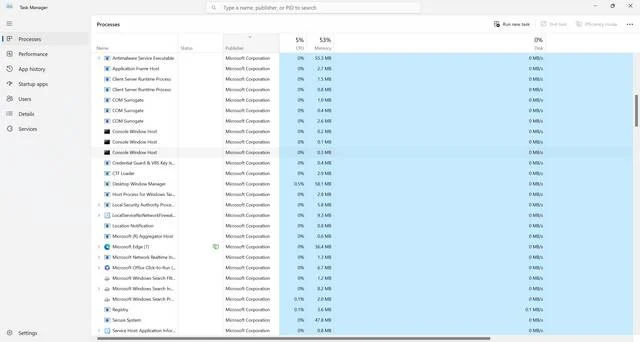
When you open the Windows Task Manager, you may come across a process called “iastordatasvc.exe” running in the background. This executable file is associated with Intel Rapid Storage Technology (RST), a software component that provides enhanced performance and reliability for storage devices on your computer. In this article, we will explore what iastordatasvc.exe is, its purpose, and whether you should consider removing it.
Understanding iastordatasvc.exe
Iastordatasvc.exe is a legitimate system file that belongs to Intel Rapid Storage Technology. It is typically located in the “C:\Program Files\Intel\Intel Rapid Storage Technology” directory. The main purpose of this executable is to manage and monitor storage devices, including hard drives and solid-state drives, connected to your computer.
Intel Rapid Storage Technology is designed to improve the performance and reliability of storage devices by utilizing features such as RAID (Redundant Array of Independent Disks) and caching. It provides benefits such as faster data access, data protection, and increased storage capacity.
Should I Remove iastordatasvc.exe?
While iastordatasvc.exe is a legitimate system file, it is natural to question whether it is necessary for your computer’s operation. Here are a few factors to consider before deciding to remove it:
1. Compatibility
If your computer does not have Intel Rapid Storage Technology installed or if you are using a different storage controller, iastordatasvc.exe may not be required. You can check if the software is installed by searching for “Intel Rapid Storage Technology” in the Start menu or checking the installed programs list in the Control Panel.
2. Performance Impact
Removing iastordatasvc.exe may have a minimal impact on your computer’s performance, especially if you are not utilizing the features provided by Intel Rapid Storage Technology. However, it is important to note that the software can enhance storage performance, particularly in scenarios involving RAID configurations or caching.
3. Data Protection
If you have configured RAID on your system or are utilizing caching, removing iastordatasvc.exe may result in a loss of data protection and potential performance degradation. Intel Rapid Storage Technology offers features like RAID mirroring (RAID 1) or striping (RAID 0) that can help protect your data in case of drive failures.
How to Remove iastordatasvc.exe
If you have determined that iastordatasvc.exe is not necessary for your system or you prefer to remove it, here are the steps to do so:
- Open the Start menu and type “Control Panel.”
- Click on “Control Panel” to open it.
- Under “Programs,” click on “Uninstall a program.”
- Locate “Intel Rapid Storage Technology” in the list of installed programs.
- Right-click on it and select “Uninstall.”
- Follow the on-screen instructions to complete the uninstallation process.
After removing iastordatasvc.exe, it is recommended to restart your computer to ensure that all associated processes are terminated.
Scanning for Viruses and Malware
It is always a good practice to regularly scan your computer for viruses and malware to ensure its security and optimal performance. If you suspect any malicious activity or want to be thorough in your scan, consider using a reliable antivirus and anti-malware software like Malwarebytes Free.
Malwarebytes Free is a trusted and effective tool that can detect and remove various types of malware, including potentially unwanted programs (PUPs) and adware. It offers real-time protection, scheduled scanning, and automatic updates to keep your system safe from the latest threats.
Conclusion
Iastordatasvc.exe is a legitimate system file associated with Intel Rapid Storage Technology. While it may not be necessary for all systems, it provides benefits such as improved storage performance, data protection, and increased storage capacity. If you are not utilizing the features offered by Intel Rapid Storage Technology or if it is not compatible with your system, you can consider removing iastordatasvc.exe. However, it is important to weigh the potential impact on performance and data protection before making a decision. Regularly scanning your computer for viruses and malware is also crucial, and tools like Malwarebytes Free can help ensure the security of your system.

Join the discussion
0 commentsShare your experience or ask a question about this article.
Discussion
Start the conversation
Have a question or something useful to share? Add the first comment.