

Scams have become increasingly sophisticated in recent years, with cybercriminals constantly finding new ways to deceive unsuspecting individuals. One such scam that has gained traction is the ‘Incoming Mail On Hold’ email phishing scam. This article aims to provide a comprehensive overview of this scam, including what it is, how it works, what to do if you have fallen victim, technical details, and relevant statistics.
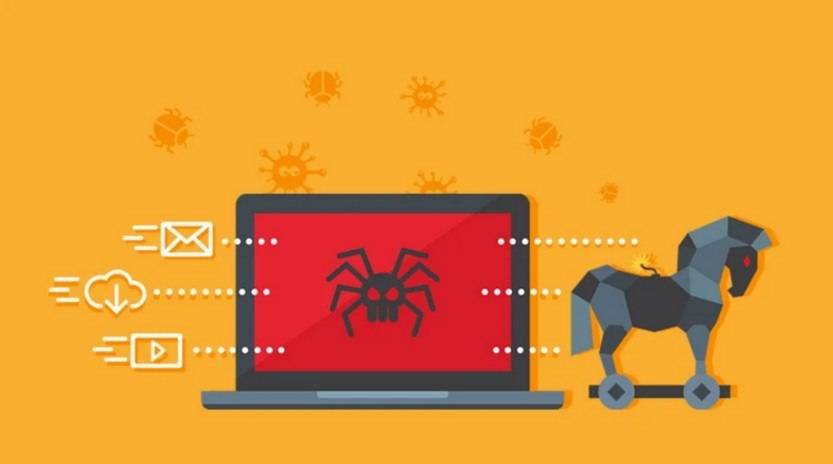
What is the ‘Incoming Mail On Hold’ Email Phishing Scam?
The ‘Incoming Mail On Hold’ email phishing scam is a type of cyber attack where scammers send fraudulent emails to individuals, pretending to be a reputable organization such as a shipping company or a postal service. The email typically informs the recipient that their incoming mail is on hold and provides a link or attachment to resolve the issue.
These emails are designed to trick recipients into clicking on the link or opening the attachment, which often leads to the installation of malware or the disclosure of sensitive information. The scammers rely on the recipient’s curiosity or concern about their mail being on hold to manipulate them into taking action.
How Does the Scam Work?
The ‘Incoming Mail On Hold’ email phishing scam follows a well-defined process that scammers use to deceive their victims. Here is a step-by-step breakdown of how the scam typically unfolds:
- The scammer sends an email to the victim, posing as a legitimate organization.
- The email informs the recipient that their incoming mail is on hold due to an issue or problem.
- The email includes a link or attachment that the recipient is instructed to click or open to resolve the issue.
- If the recipient falls for the scam and clicks the link or opens the attachment, they are directed to a fake website or prompted to download a malicious file.
- Once the victim interacts with the fake website or downloads the malicious file, their device may become infected with malware.
- The malware can then be used to steal sensitive information, such as login credentials or financial data, from the victim’s device.
It is important to note that scammers continuously refine their techniques, making it increasingly difficult to detect these fraudulent emails. They often employ tactics such as using legitimate-looking email addresses, logos, and language to make their messages appear genuine.
What to Do If You Have Fallen Victim?
If you have fallen victim to the ‘Incoming Mail On Hold’ email phishing scam, it is crucial to take immediate action to minimize the potential damage. Here are the steps you should follow:
- Disconnect from the internet: As soon as you realize you have been scammed, disconnect your device from the internet to prevent further communication between the malware and the attacker’s server.
- Scan your device for malware: Run a thorough scan of your device using reliable antivirus software, such as Malwarebytes Free, to detect and remove any malware that may have been installed.
- Change your passwords: Change the passwords for all your online accounts, especially those associated with sensitive information such as banking or email accounts.
- Monitor your accounts: Keep a close eye on your financial accounts and monitor them for any suspicious activity. Report any unauthorized transactions to your bank or credit card company immediately.
- Report the scam: Report the phishing scam to the appropriate authorities, such as your local law enforcement agency and the Anti-Phishing Working Group (APWG).
Technical Details of the Scam
The ‘Incoming Mail On Hold’ email phishing scam often utilizes various technical tactics to deceive recipients and infect their devices. Some of the common techniques employed by scammers include:
- Email spoofing: Scammers manipulate the email headers to make it appear as if the email is coming from a legitimate source.
- Malicious attachments: The scam emails may contain attachments, such as PDFs or Word documents, that contain malware.
- Phishing websites: Scammers create fake websites that closely resemble legitimate ones to trick victims into entering their login credentials or personal information.
- Social engineering: The scammers use psychological manipulation techniques to exploit the recipient’s emotions and prompt them to take action without thinking.
Statistics on Email Phishing Scams
Email phishing scams, including the ‘Incoming Mail On Hold’ scam, have become alarmingly prevalent in recent years. Here are some statistics that highlight the scale of the problem:
- According to the FBI’s Internet Crime Complaint Center (IC3), phishing scams accounted for over $54 million in losses in 2020 alone.
- A report by Verizon found that 36% of data breaches involved phishing attacks.
- In a survey conducted by Proofpoint, 88% of organizations worldwide experienced spear-phishing attempts in 2020.
- The Anti-Phishing Working Group (APWG) reported a 22% increase in phishing attacks in the first quarter of 2021 compared to the previous quarter.
Summary
The ‘Incoming Mail On Hold’ email phishing scam is a deceptive cyber attack that aims to trick individuals into clicking on malicious links or opening infected attachments. These scams can lead to the installation of malware or the disclosure of sensitive information. If you have fallen victim to such a scam, it is crucial to take immediate action by disconnecting from the internet, scanning your device for malware, changing your passwords, monitoring your accounts, and reporting the scam to the appropriate authorities.
As email phishing scams continue to evolve and become more sophisticated, it is essential to stay vigilant and educate oneself about the latest techniques used by scammers. By being aware of the risks and taking proactive measures to protect personal information, individuals can reduce their chances of falling victim to these scams.

Join the discussion
0 commentsShare your experience or ask a question about this article.
Discussion
Start the conversation
Have a question or something useful to share? Add the first comment.