

Isatray.exe is a process that runs in the background on Windows operating systems. It is associated with Intel Smart Connect Technology, a feature that allows your computer to stay connected to the internet even when it is in sleep mode. While Isatray.exe is a legitimate process, it is important to understand its purpose and determine whether it is necessary for your system. In this article, we will explore Isatray.exe in detail and help you decide whether you should remove it.
What is Isatray.exe?
Isatray.exe is an executable file that is part of Intel Smart Connect Technology. This technology is designed to keep your computer connected to the internet and update certain applications even when your computer is in sleep mode. Isatray.exe is responsible for managing the Smart Connect feature and ensuring that your computer stays connected to the internet.
When Isatray.exe is running, it appears as an icon in the system tray of your Windows taskbar. You can usually find it in the bottom-right corner of your screen, next to the clock. By right-clicking on the icon, you can access various options and settings related to Intel Smart Connect Technology.
Is Isatray.exe a Virus or Malware?
No, Isatray.exe is not a virus or malware. It is a legitimate process associated with Intel Smart Connect Technology. However, like any other executable file, it is possible for malicious programs to disguise themselves as Isatray.exe. Therefore, it is important to ensure that the Isatray.exe process running on your computer is genuine and not a malicious imposter.
If you suspect that Isatray.exe on your system is malicious, it is recommended to scan your computer for viruses and malware. One reliable tool for this purpose is Malwarebytes Free. It is a trusted antivirus program that can detect and remove various types of malware.
Should I Remove Isatray.exe?
Whether you should remove Isatray.exe depends on your specific needs and usage patterns. Here are a few factors to consider:
1. Do you use Intel Smart Connect Technology?
If you do not use Intel Smart Connect Technology or have no need for your computer to stay connected to the internet in sleep mode, you can safely remove Isatray.exe. Disabling this feature will not have any negative impact on your computer’s performance or functionality.
2. Are you experiencing any issues or performance problems?
If you are experiencing any issues or performance problems on your computer, it is worth investigating whether Isatray.exe is the cause. While Isatray.exe is not known to cause significant performance issues, it is possible for conflicts or errors to occur. In such cases, removing Isatray.exe may help resolve the problem.
3. Do you have alternative methods to stay connected to the internet?
If you have alternative methods to stay connected to the internet, such as a wired connection or a different wireless technology, you may not need Intel Smart Connect Technology. In this case, removing Isatray.exe can free up system resources and potentially improve your computer’s performance.
How to Remove Isatray.exe?
If you have decided to remove Isatray.exe from your system, here are the steps you can follow:
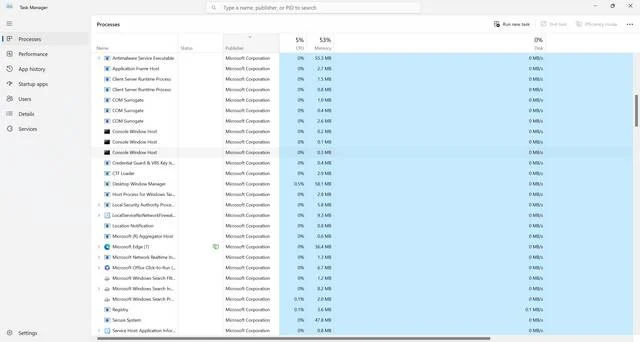
- Open the Windows Task Manager by pressing Ctrl + Shift + Esc or by right-clicking on the taskbar and selecting Task Manager.
- In the Task Manager, navigate to the Processes tab.
- Locate and select Isatray.exe in the list of processes.
- Click on the End Task button to terminate the Isatray.exe process.
- To prevent Isatray.exe from running on startup, open the Startup tab in the Task Manager.
- Locate Isatray.exe in the list of startup programs and disable it by right-clicking and selecting Disable.
After following these steps, Isatray.exe should no longer be running on your system. However, it is important to note that removing Isatray.exe will disable Intel Smart Connect Technology and prevent your computer from staying connected to the internet in sleep mode.
Conclusion
Isatray.exe is a legitimate process associated with Intel Smart Connect Technology. It allows your computer to stay connected to the internet and update certain applications even when it is in sleep mode. While Isatray.exe is not a virus or malware, it is important to ensure that the process running on your system is genuine.
Whether you should remove Isatray.exe depends on your specific needs and usage patterns. If you do not use Intel Smart Connect Technology or have alternative methods to stay connected to the internet, you can safely remove Isatray.exe. However, if you rely on this feature or experience any issues, it may be beneficial to keep Isatray.exe running.
Remember, if you suspect that Isatray.exe or any other process on your system is malicious, it is always recommended to scan your computer for viruses and malware using a reliable antivirus program like Malwarebytes Free.

Join the discussion
0 commentsShare your experience or ask a question about this article.
Discussion
Start the conversation
Have a question or something useful to share? Add the first comment.