

Isuspm.exe is a process that runs in the background of your computer and is associated with the software management tool, FlexNet Connect. This process is responsible for checking for updates and installing them automatically. However, some users have reported that Isuspm.exe can cause high CPU usage and slow down their computer. In this article, we will explore what Isuspm.exe is, how it works, and whether you should remove it from your computer.
What Is Isuspm.exe?
Isuspm.exe is a process that is associated with the software management tool, FlexNet Connect. This tool is used by software vendors to manage software updates and patches. Isuspm.exe is responsible for checking for updates and installing them automatically. It runs in the background of your computer and is usually located in the C:\Program Files (x86)\Common Files\InstallShield\UpdateService directory.
FlexNet Connect is a legitimate software management tool that is used by many software vendors. It is designed to make it easier for users to keep their software up to date and secure. However, some users have reported that Isuspm.exe can cause high CPU usage and slow down their computer. This can be especially frustrating if you are trying to use your computer for work or other important tasks.
How Does Isuspm.exe Work?
Isuspm.exe works by checking for updates to the software installed on your computer. It does this by connecting to the internet and checking for updates on the FlexNet Connect server. If an update is available, Isuspm.exe will download and install it automatically. This process is designed to be seamless and automatic, so you don’t have to worry about manually checking for updates or installing them yourself.
Isuspm.exe is designed to run in the background of your computer and should not interfere with your normal use of the computer. However, some users have reported that Isuspm.exe can cause high CPU usage and slow down their computer. This can be especially frustrating if you are trying to use your computer for work or other important tasks.
Should I Remove Isuspm.exe?
Whether or not you should remove Isuspm.exe depends on your individual situation. If you are experiencing high CPU usage and slow performance on your computer, it may be worth considering removing Isuspm.exe. However, if you rely on software updates and want to ensure that your software is always up to date and secure, you may want to keep Isuspm.exe installed.
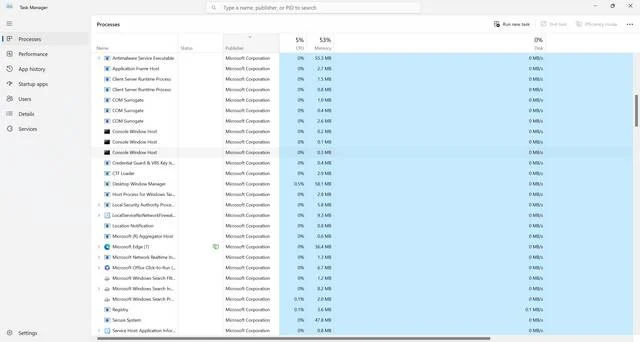
If you do decide to remove Isuspm.exe, there are a few different methods you can use. The easiest way is to use the Windows Task Manager to end the process. To do this, right-click on the taskbar and select Task Manager. Then, click on the Processes tab and locate Isuspm.exe. Right-click on the process and select End Task.
Another method is to uninstall the FlexNet Connect software. To do this, go to the Control Panel and select Programs and Features. Locate FlexNet Connect in the list of installed programs and select Uninstall. Follow the prompts to complete the uninstallation process.
It is important to note that if you do decide to remove Isuspm.exe, you may need to manually check for updates to your software. This can be done by visiting the website of the software vendor and downloading the latest updates manually.
How to Check for Malware
If you are experiencing high CPU usage and slow performance on your computer, it is possible that malware or a virus is causing the issue. To check for malware, we recommend using Malwarebytes Free. This is a powerful anti-malware tool that can detect and remove malware from your computer.
To use Malwarebytes Free, simply download and install the software from the Malwarebytes website. Then, run a scan of your computer to detect any malware or viruses. If any threats are detected, Malwarebytes Free will remove them automatically.
Conclusion
Isuspm.exe is a process that is associated with the software management tool, FlexNet Connect. It is responsible for checking for updates and installing them automatically. While this process is designed to be seamless and automatic, some users have reported that it can cause high CPU usage and slow down their computer. Whether or not you should remove Isuspm.exe depends on your individual situation. If you are experiencing performance issues, it may be worth considering removing Isuspm.exe. However, if you rely on software updates, you may want to keep it installed. If you do decide to remove Isuspm.exe, be sure to manually check for updates to your software to ensure that it is always up to date and secure. Additionally, if you suspect that malware or a virus is causing performance issues on your computer, we recommend using Malwarebytes Free to detect and remove any threats.

Join the discussion
0 commentsShare your experience or ask a question about this article.
Discussion
Start the conversation
Have a question or something useful to share? Add the first comment.