

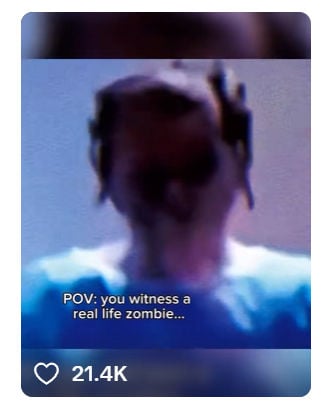
If you’ve been on TikTok, Instagram, or Facebook lately, you may have stumbled across shocking videos about a man named Keadaan Salloum (sometimes spelled Kadan Salum, Kayanne Salum, or Keadan Salloum). According to these viral clips, he was declared dead after a house fire and somehow came back to life—some even claim he became a “real-life zombie.” The footage shows a blurry, unsettling figure with captions like “POV: you witness a real life zombie”, fueling speculation and fear.
But is Keadaan Salloum real? Did a man really rise from the dead, or is this just another internet hoax designed to go viral? In this article, we investigate the claims, analyze the videos, and expose the red flags that reveal the truth behind the so-called “zombie story.”
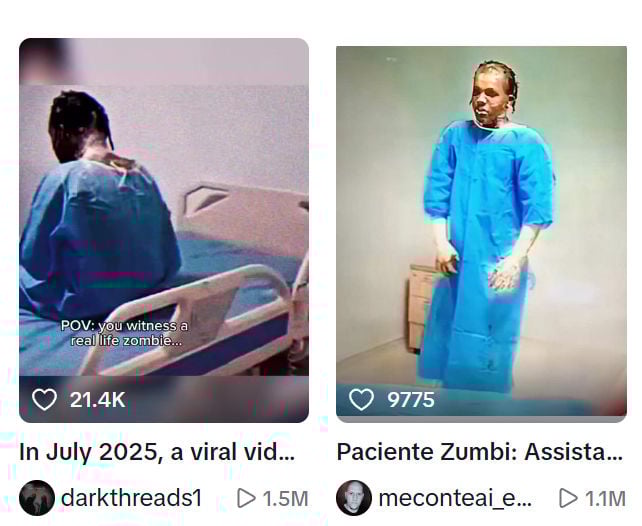
The Viral Story of Keadaan Salloum
The rumors began with a series of TikTok and Instagram posts in mid-2025. These videos claimed:
- Keadaan Salloum died in a house fire.
- Doctors declared him clinically dead with no pulse or brain activity.
- His organs were removed, and his body was awaiting transfer.
- Suddenly, he sat up on hospital security footage, stared blankly at nurses, and staggered toward the door.
- Viewers described his movements as jerky and unnatural, comparing him to a zombie.
- The clip supposedly ended with him collapsing again, fueling eerie speculation.
These dramatic details were paired with captions urging users to “watch till the end” or “share before it gets deleted,” which helped the videos spread rapidly.
Breaking Down the Red Flags
While the story is spooky, a closer investigation reveals serious problems:
1. No Official Records
There are no hospital reports, news articles, or death certificates mentioning Keadaan Salloum. If someone had truly died, revived, and walked around in a “zombie-like state,” it would have made international headlines—not just TikTok clips.
2. Recycled Footage
Every viral video uses the same blurry, low-quality clip. There are no follow-ups, no additional evidence, and no independent verification. This recycling of the same footage is a common sign of fabricated internet myths.
3. No Traceable Identity
Fact-checkers have found no record of Keadaan Salloum (or the variant spellings) in obituaries, public records, or legitimate media sources. The character seems to exist only within these viral videos.
4. Clickbait Tactics
The posts are primarily shared by meme pages and TikTok creators chasing views. Phrases like “real life zombie caught on camera” are designed to trigger fear and curiosity, not provide evidence.
5. Medical Impossibility
The viral claim that someone without organs stood up and walked is biologically impossible. While rare cases of “terminal lucidity” exist (where patients briefly regain awareness before death), no medical literature supports the idea of a corpse walking without vital organs.
Fact-Checking the Zombie Claims
To understand why this story gained so much traction, it’s important to compare fact versus fiction.
- Claim: Keadaan Salloum died in a house fire and returned to life.
Fact: No official reports confirm his existence or death. - Claim: Hospital footage shows him walking without organs.
Fact: The video is blurry, unverifiable, and not sourced from any hospital. - Claim: Doctors called it “terminal lucidity.”
Fact: Terminal lucidity is real, but it involves brief awareness before death—not walking, moving, or chasing people. - Claim: He is the world’s first real zombie.
Fact: There is no scientific or medical evidence of zombies. The term is purely fictional.
Why the Keadaan Salloum Story Went Viral
The “zombie” narrative spread so quickly because it tapped into several psychological triggers:
- Fear and Curiosity – Stories about death and the undead naturally grab attention.
- Shock Value – A man walking after being declared dead is visually dramatic.
- Low-Quality Footage – Blurry, grainy videos often feel more “mysterious” and harder to debunk.
- Algorithm Boost – Platforms like TikTok and Instagram reward content that drives engagement, even if it’s false.
- Pop Culture Influence – Zombie media (movies, shows, games) primes people to believe such stories could be possible.
Is Keadaan Salloum Real or Fake?
Based on all available evidence, the answer is clear: Keadaan Salloum is almost certainly fake.
- There is no proof he exists outside of viral videos.
- The story is unsupported by credible sources such as hospitals, police, or news outlets.
- The videos are clickbait creations, not documentation of a real event.
Like many other viral hoaxes before it (e.g., “Momo Challenge,” “Blue Whale Game,” and fake celebrity deaths), this story thrives on shock and fear, not facts.
Lessons From the Keadaan Salloum Hoax
This viral phenomenon teaches us several important lessons about online safety and digital literacy:
- Always verify with credible news outlets before believing viral claims.
- Be skeptical of sensational captions that demand shares or claim “they don’t want you to see this.”
- Understand how algorithms work—viral doesn’t mean true.
- Recognize recycled content—when the same clip is reused without new evidence, it’s usually fake.
Conclusion
The Keadaan Salloum “real-life zombie” story may be creepy, but it is not true. From the absence of credible evidence to the biological impossibility of the claims, everything points to this being another viral hoax created to rack up views and shares.
While the videos may be entertaining in a horror-movie sense, they should not be mistaken for fact. Keadaan Salloum is not real, and no zombie has ever walked out of a hospital morgue. The story belongs in the category of viral internet myths, not medical reality.
So, next time you see a clip claiming to show a “real zombie” on TikTok or Instagram, remember: sometimes the scariest thing isn’t the story—it’s how quickly misinformation can spread.
Frequently Asked Questions (FAQ) About the Keadaan Salloum Zombie Hoax
Who is Keadaan Salloum?
Keadaan Salloum is the name attached to a viral rumor spreading on TikTok, Instagram, and Facebook in 2025. According to the claims, Salloum was a man who allegedly died in a house fire, was declared dead by doctors, and then mysteriously came back to life. Some videos even describe him as a “real-life zombie.” However, fact-checks show that there is no evidence he is a real person. There are no news articles, hospital records, or official statements confirming his existence.
Did Keadaan Salloum really die and come back to life?
No. There is no credible proof that Keadaan Salloum ever died or came back to life. The entire story is based on recycled, grainy video clips and dramatic captions posted on TikTok and meme pages. If such an extraordinary event had occurred, it would have been covered widely by medical journals and mainstream news outlets. Instead, the only mentions of Salloum come from viral social media posts, which strongly suggests the story is fabricated.
Is there any hospital footage of Keadaan Salloum turning into a zombie?
The videos being shared claim to show hospital security footage of Salloum sitting up, staring blankly at nurses, and staggering toward a door. But these clips are low-quality, unverifiable, and lack any traceable source. No hospital has confirmed this footage, and no mainstream media outlet has reported on it. In short, the supposed hospital video is just part of the viral hoax and should not be taken as real evidence.
Why do people say Keadaan Salloum was declared dead with no organs?
One of the most shocking details in the viral posts is the claim that Salloum’s organs had already been removed, and yet he still stood up and moved around. This detail is a clear red flag. From a biological standpoint, it is impossible for a human body to walk or function without vital organs. Medical experts note that while rare cases of “terminal lucidity” exist—where dying patients briefly regain awareness—these do not involve walking corpses or “zombies.” This part of the story is pure fabrication.
Is Keadaan Salloum a real person?
All evidence suggests that Keadaan Salloum is not a real individual. Fact-checkers have found no public records, obituaries, or identity information linked to that name or its variations (Kadan Salum, Keadan Sallum, Kayanne Salum). The name appears to exist only in connection with these viral videos, which strongly indicates that Salloum is a fictional character created for internet shock value.
Why are Keadaan Salloum zombie videos going viral?
The story spread so quickly because it combines elements that trigger curiosity and fear. Zombie-related content is popular in entertainment, and when paired with blurry “found footage” and sensational captions like “POV: you witness a real life zombie”, it feels believable to some viewers. TikTok’s algorithm rewards content that gets strong emotional reactions, so the more people commented or shared in shock, the more the videos spread. This is a common pattern with viral hoaxes.








