


A few drops, no injections, and a familiar drug-sounding name. Lercea Meglutide Oral Liquid makes a complicated weight-loss decision look surprisingly simple.
Before trusting that promise, look closely at the bottle, the claimed science, and the people taking your payment. Several details deserve much more attention than the sales pitch gives them.
Overview
What is Lercea Meglutide Oral Liquid?
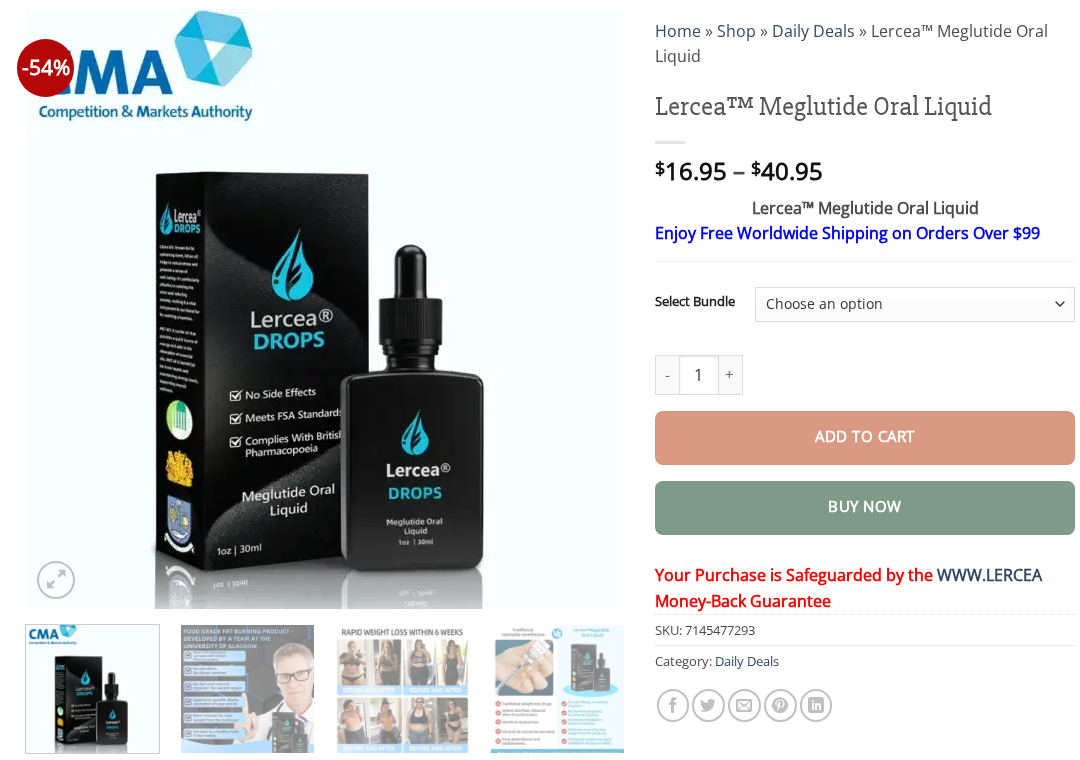
Lercea markets a 30 mL dropper bottle as a weight-loss and metabolic-health product. Its name sounds like semaglutide, but a similar-sounding name is not a prescription.
The sales page claims the liquid affects appetite, blood sugar, and fat burning. It attributes its development to University of Glasgow researchers and invokes several British institutions.
Meanwhile, lercea.com sells other products under the same brand, including GLP-1 drops, oral solutions, patches, and Metabolic Balance Oral Ampoules. Those names do not identify one interchangeable formula.
A regulator has tested a named Lercea product
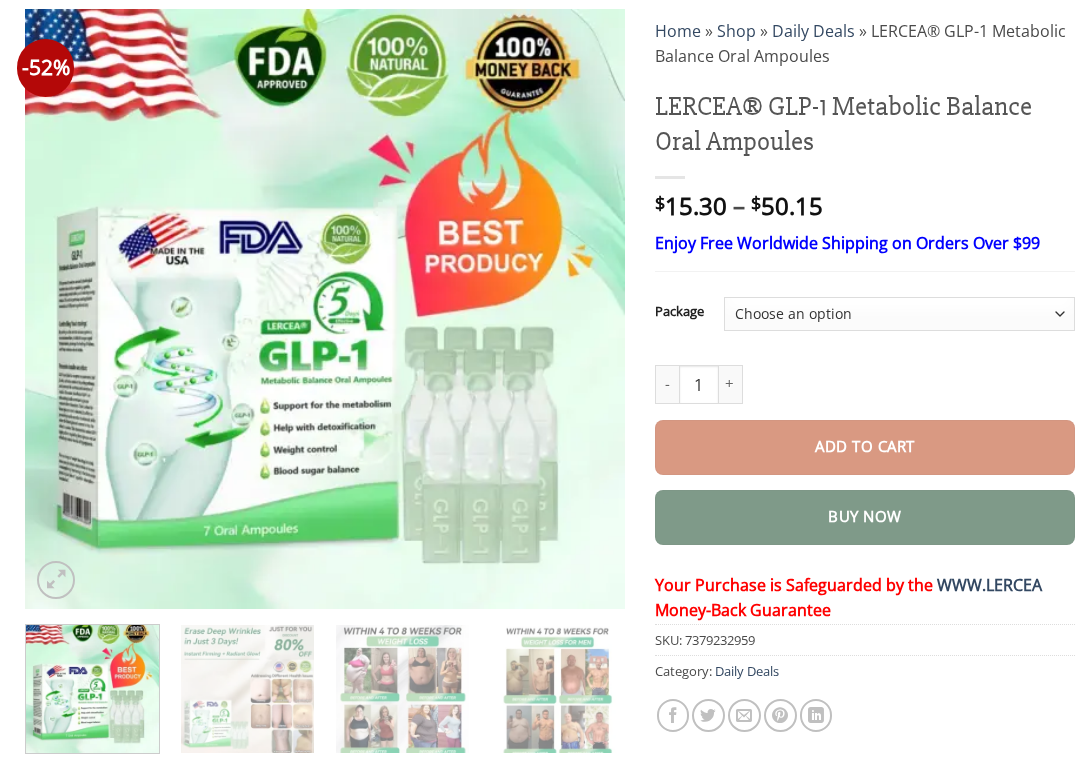
Australia’s Therapeutic Goods Administration, or TGA, names LERCEA GLP-1 Metabolic Balance Oral Ampoules in its March 2026 counterfeit-product advisory. Testing found no GLP-1 or analogues.
That finding concerns the named ampoules, not a laboratory examination of every bottle sold as Meglutide. Buyers should match the full product name and packaging.
- A drug-like name does not establish an active ingredient or effective dose.
- A university photograph or regulatory logo does not authenticate a product’s approval.
- A dropper bottle, drinkable ampoule, and skin patch need separate evidence.
- A money-back banner must agree with the actual return conditions.
Why this offer should be avoided
Lercea’s own Meglutide explanation says it is based on simethicone, a medicine used for gas symptoms. That does not substantiate the appetite and metabolic effects being advertised.
Other Lercea listings claim FDA approval while selling ordinary selectable packages through a general online shop. The medical assurance is far stronger than the evidence supplied.
Do not buy these offers as substitutes for prescribed weight-loss or diabetes treatment. The warning rests on the product claims and regulatory findings, not simply their low prices.
Meglutide, Simethicone, and the Missing Medical Evidence
The Meglutide page makes a striking promise: “5ml of Meglutide Oral Solution can burn up to about 100 grams of stubborn fat.”
That is an advertising claim, not a dosing recommendation. The page does not provide an identifiable clinical report demonstrating that result for this finished liquid.
Its ingredient section then describes Meglutide as a product created from simethicone. Elsewhere, the explanation borrows the language of appetite hormones and delayed stomach emptying.
According to MedlinePlus drug information, simethicone treats gas-related pressure, fullness, and bloating. That is not evidence of the advertised fat-burning mechanism.
Feeling less bloated is also different from losing body fat. A change in how your stomach feels cannot establish that an unverified liquid is treating obesity.
The page lists peppermint essential oil, MCT oil, citron essential oil, and stevia alongside Meglutide. That list does not establish their quantities or authenticate the contents delivered.
What buyers need is a clear formulation, a traceable manufacturer, appropriate authorization, and research on the actual product. A medical-sounding explanation supplies none of those by itself.
The ampoule page now names orforglipron, while the dropper page explains Meglutide through simethicone. That change makes the actual label and authorized formulation crucial.
The promise of no side effects is especially unhelpful. People differ in health conditions, medications, and sensitivities. A blanket reassurance cannot replace a proper assessment.
Nor does a product become safe because the seller calls it diluted or botanical. The important questions are what it contains and whether it is suitable for you.
What the TGA Warning Says About Lercea and Croaie
The TGA safety advisory identifies imported products whose claimed GLP-1 content was absent. The tested products are considered counterfeit under Australian law.
Its table specifically includes LERCEA GLP-1 Metabolic Balance Oral Ampoules and Croaie Tipoleptide GLP-1 + GIP Weight Management. These are exact product names, not interchangeable search keywords.
The same warning names BuildLeaf oral products, HHVB Six In-One Oral Liquid, HHVB Moringa Drops, and an HHVB microneedle patch, among other products.
Our BuildLeaf investigation and HHVB Moringa Drops report cover those related alerts.
For anyone comparing GLP-1 oral liquid reviews or Croaie reviews, this product matching is essential. A favorable account of another formula cannot cancel a named laboratory warning.
For the separate dropper-bottle offer, see our Croaie Meglutide investigation. Keep that name distinct from the Tipoleptide product in the advisory.
How the Lercea Meglutide Sales Scam Works
Step 1: Prescription-style language makes the product seem familiar
GLP-1 has become a recognizable term in weight-loss advertising. Lercea uses it across several product names, creating a medical association before the buyer sees a formula.
Meglutide adds another resemblance to familiar drug terminology. The reader may assume that the difference is simply a cheaper delivery method rather than a different, unverified product.
But a resemblance in spelling does not identify a pharmaceutical ingredient. The seller needs to explain what substance is present, at what strength, and under whose authorization.
An oral format is not automatically fraudulent. The problem is using medicine-like language to sell an offer without the evidence and safeguards the claimed treatment requires.
Step 2: Institutions and medical stories supply borrowed authority
The Meglutide page invokes Glasgow researchers, the Food Standards Agency, the British Pharmacopoeia, the Royal Pharmaceutical Society, and the Competition and Markets Authority.
Another oral-solution listing attributes development to a Mayo Clinic team. A separate ampoule listing displays prominent FDA-approved artwork. These claims need product-specific authentication.
University group photographs and institutional names can make a shop feel like a medical source. They do not tell you who actually manufactured the liquid.
The FDA explains in its approval guidance that dietary supplements are not approved for safety and effectiveness. A registration or logo cannot replace an approved-drug record.
Lercea’s pages supply no matching authorization record or institution-hosted product announcement alongside those assertions. Readers should not accept the advertising as confirmation from the organizations named.
Step 3: Transformation stories make extraordinary results feel ordinary
The page moves from technical explanations to dramatic changes in weight and health. Testimonials describe improvements that reach far beyond a flavored supplement.
Personal stories are persuasive because they feel easier to understand than study results. Yet they leave out diagnoses, other treatments, measurement methods, and independent verification.
A before-and-after picture also cannot establish which product someone took or what else changed. It is not a substitute for a documented trial.
This matters particularly when the story concerns diabetes or thyroid problems. Delaying proper care because a stranger’s recovery sounds convincing can create a much bigger problem.
Step 4: An inexpensive package turns the medical promise into a quick purchase
The Meglutide listing offers one, two, or four units. Its published variant prices are $16.95, $27.95, and $40.95 respectively, before any additional checkout charges.
Those are package prices, not proof of a therapeutic supply. More bottles do not make an unidentified active ingredient effective.
The money-back assurance can make the purchase seem reversible. However, the site’s return rules require unused goods, approval, and customer-paid postage.
Once someone has opened and consumed a liquid to find out whether it works, an unused-item condition can undermine the reassurance that encouraged the purchase.
The quantity selector proves that bundles are offered, not that every buyer is charged for unwanted bottles. Compare your actual selection with the confirmation and statement.
Seller Identity, Dispatch, and Refund Restrictions
A brand name is not a traceable pharmaceutical manufacturer
The terms identify the operator as WWW.LERCEA LLC. That wording does not identify a licensed pharmacy, a verified medicine manufacturer, or the laboratory behind your particular batch.
The About Us page describes a general shopping business. Its catalog includes unrelated consumer products as well as products making serious health claims.
That contrast matters. The assurances sound medical, but the purchasing process and company information look like a general retail store rather than a verified treatment provider.
Before consuming anything, the package should identify the responsible manufacturer or importer, ingredients, batch, expiry, and suitable instructions. Keep the actual label, not just the advertisement.
The dispatch policy does not match the Glasgow impression
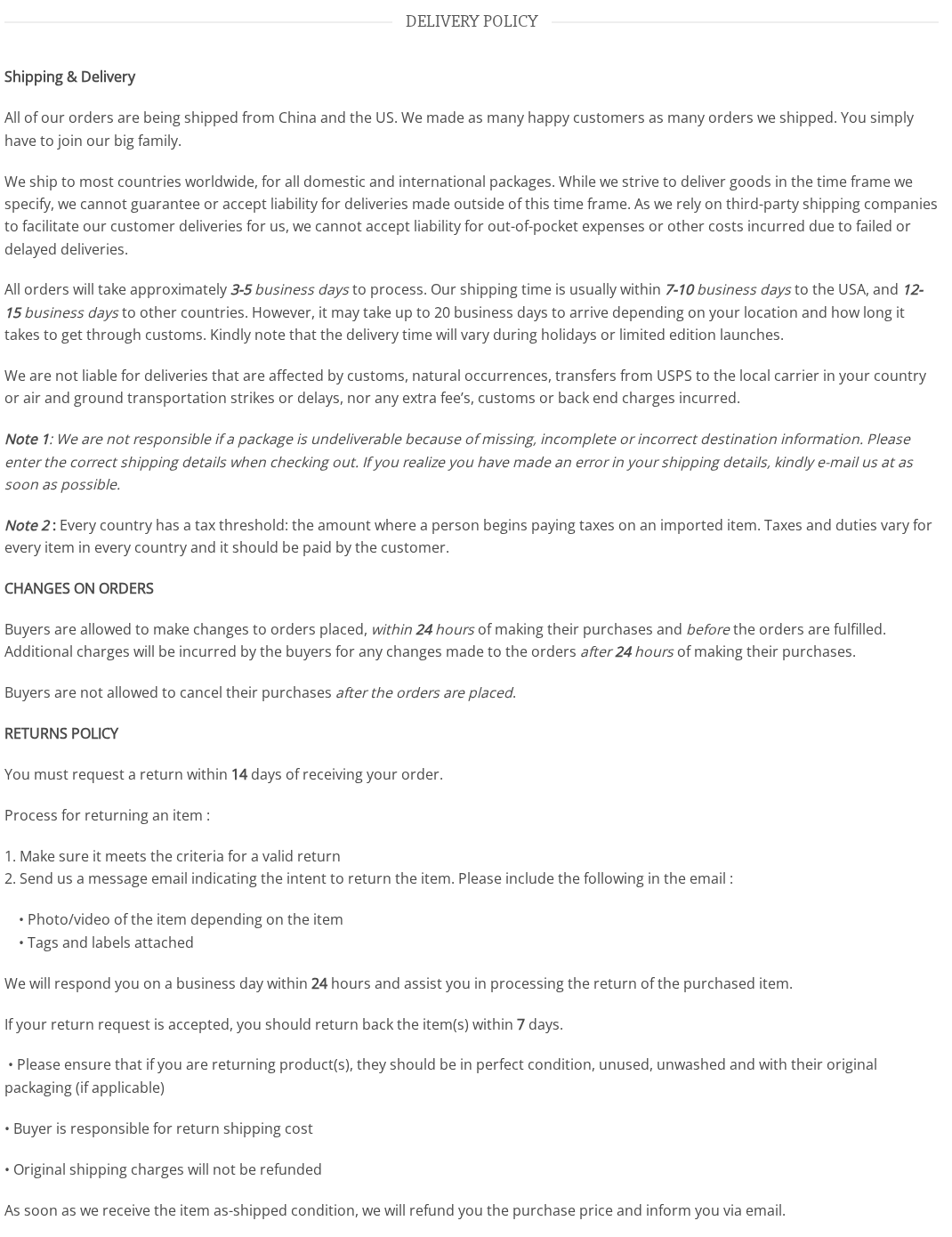
The Meglutide listing gives Glasgow as its shipping location. The site’s broader delivery policy instead says orders ship from China and the US.
This is a concrete contradiction about dispatch, and it undermines the impression of one transparent local supply chain.
The policy also adds processing time before transit. A foreign tracking origin should be assessed against what was promised when you ordered, not explained away afterward.
Support points to a different domain
The customer-service page publishes payments@goombara.com. It does not explain why a Lercea health-product customer should rely on an address using another retail domain.
A shared or outsourced support service can handle several stores. What matters for your claim is whether that contact acknowledges your order and provides a workable remedy.
Keep replies, timestamps, and case numbers. If you receive only repeated requests to wait, ask for a specific cancellation, refund, or return decision in writing.
The return rules are much narrower than a risk-free trial
The delivery policy requires a return request within 14 days of receipt. Approved goods must be returned within seven days, unused and in original packaging.
Return postage comes out of your pocket, and the merchant keeps the original shipping fee.
The policy says purchases cannot be canceled after ordering, despite allowing certain changes within 24 hours.
A product-page promise addressing damage or defects is not the same as a satisfaction guarantee after drinking the product. Clarify that distinction before opening anything.
If you already have a problem, describe it specifically: missing order, wrong item, mismatched charge, defective packaging, or misleading description. Different problems require different evidence.
Reading Lercea Reviews Without Mistaking Them for Clinical Proof
The Trustpilot profile for lercea.com shows 2.6 from six reviews. That small sample includes complaints about effectiveness, dispatch, payment, and support.
One reviewer reports a receipt for $41.95 but a card charge of $52.44. She says the seller attributed the difference to tax and her issuer reversed it.
Another reports a missing order and an attempted additional debit. Check your own statement for any repeat charge.
A four-star reviewer says he was happy initially, but also describes uncertainty about instructions. Including that favorable account does not turn early impressions into evidence of lasting weight loss.
For these products, a legitimate review should distinguish delivery, billing, tolerability, and measured results. A seller testimonial blending all four can hide more than it explains.
What to Do if You Have Fallen Victim to This Scam
-
Do not use the purchase as a replacement for medical care. Contact a pharmacist or clinician about the exact product, especially if you use diabetes medication.
If you have already taken it, keep the bottle, ingredients, batch details, and timing. Seek prompt medical help for concerning symptoms rather than taking more.
-
Save evidence of the actual offer. Keep the product name, seller domain, approval claims, selected quantity, promised dispatch location, receipt, and payment record.
Photograph the unopened packaging and shipping labels when it arrives. These can clarify whether the product or dispatch differs from the advertisement.
-
Send a written remedy request immediately. Use the contact connected to your order and state whether you seek cancellation, a refund, or return authorization.
Identify any false description or charge mismatch. Request a confirmed return address and postage terms before sending anything. Preserve the request even if support does not answer.
-
Dispute unresolved charges with your payment provider. Explain precisely whether the problem is nondelivery, misdescription, an incorrect total, or an unauthorized additional charge.
Ask about its deadline and required evidence. Do not wait indefinitely for a seller’s repeated promises, and do not describe a purchase you authorized as card theft.
-
Address any additional billing separately. Compare each transaction with your original consent. Ask the merchant and payment provider to stop charges you did not authorize.
A one-time purchase and a recurring agreement are different. Keep any cancellation confirmation and report further attempted payments with the original dispute records.
-
Report the health-product issue. The FDA’s GLP-1 guidance directs patients to legitimate prescribing and pharmacy channels and explains reporting concerns.
Include the actual label, seller, advertising, and symptoms where relevant. Reports should describe your experience, not add unverified claims about ingredients or other customers.
Frequently Asked Questions
Is Lercea Meglutide Oral Liquid the same as semaglutide?
No. Its advertising name and explanation do not establish an approved semaglutide formulation. Buy prescribed medicines through licensed pharmacies, not by assuming similar names mean equivalent treatment.
What did testing find in Lercea GLP-1 products?
The TGA reported no GLP-1 or analogues in LERCEA GLP-1 Metabolic Balance Oral Ampoules. Its result applies to that named tested product, not every Lercea dropper bottle.
Are GLP-1 liquid drops reviews enough to show they work?
No. Reviews cannot verify an active ingredient, strength, authorization, or clinical effectiveness. Those require product-specific documentation, not just a change in appetite or a seller’s transformation story.
Is Croaie the same product as Lercea?
Do not assume so. The regulator names separate Lercea and Croaie ampoule products. Match the full label and seller instead of treating similar GLP-1 marketing as proof of equivalence.
Does the Lercea money-back guarantee cover an opened bottle?
The site’s return policy requires unused goods, while product pages offer other assurances. Ask for written authorization promptly rather than assuming a consumed bottle qualifies for a satisfaction refund.
Are Lercea reviews positive or negative?
The six-review Trustpilot profile is mostly negative, with complaints about results, dispatch, and billing. One favorable reviewer described early satisfaction but uncertainty about instructions, not verified long-term results.
The Bottom Line
Do not buy Lercea Meglutide Oral Liquid as a weight-loss or diabetes treatment. Drug-like claims, inconsistent scientific explanations, and the named Lercea ampoule warning make this an offer to avoid.
If you already paid, preserve the exact promises, request a remedy promptly, and involve your payment provider if it remains unresolved. Take health questions to a qualified professional.

Join the discussion
0 commentsShare your experience or ask a question about this article.
Discussion
Start the conversation
Have a question or something useful to share? Add the first comment.