


BuildLeaf puts a powerful promise in a very small bottle. The label combines herbal-drop imagery with a drug name many people recognize from weight-loss headlines.
If that combination caught your attention, don’t stop at the green packaging. There’s an important difference between the treatment a shopper imagines and the product being sold.
Overview
The BuildLeaf bottle behind the searches
People searching for Build Leaf GLP-1 reviews may encounter a dropper bottle, a box of oral ampoules or another similarly branded variation.
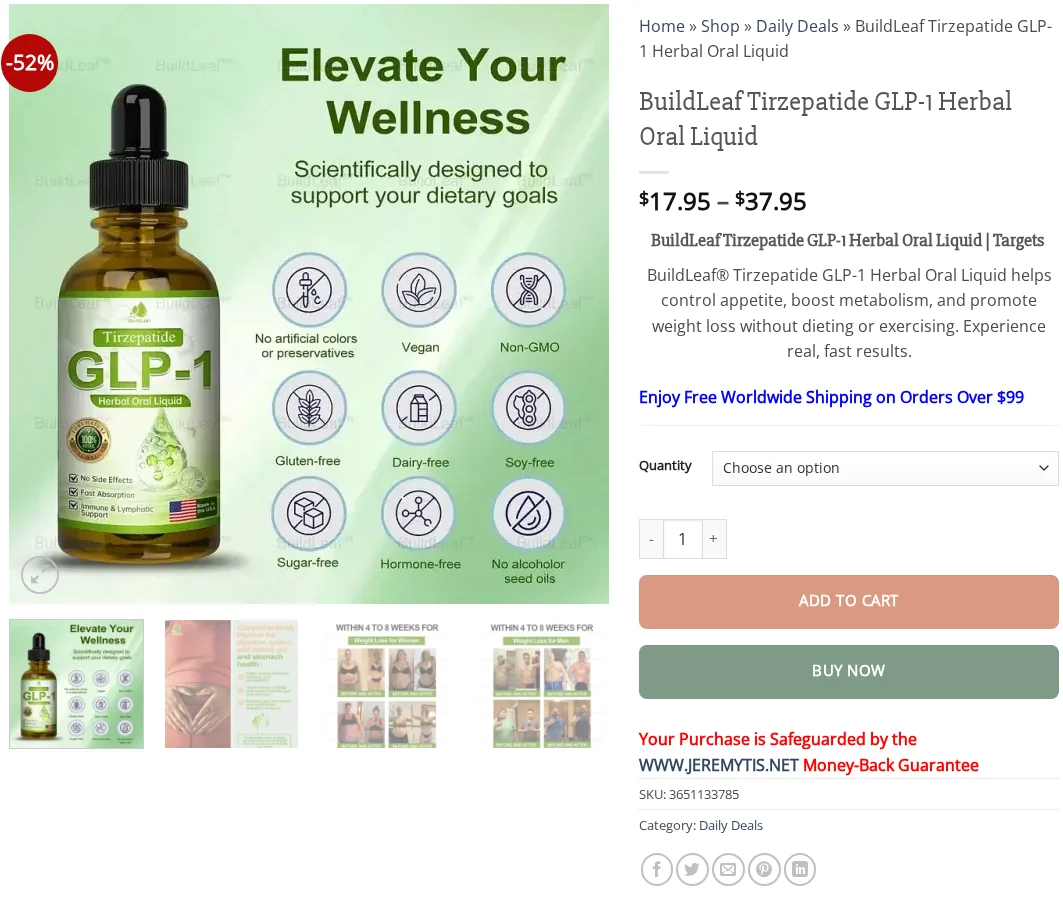
The bottle on Jeremytis is named BuildLeaf Tirzepatide GLP-1 Herbal Oral Liquid. Its description promises weight loss without dieting or exercising
.
That is a treatment-sized promise attached to a routine shopping purchase. Before comparing prices or testimonials, identify precisely which product the seller wants you to swallow.
- Dropper bottle: the Tirzepatide GLP-1 Herbal Oral Liquid presentation.
- Ampoule box: the Eight-In-One Fit & Vital Oral Solution presentation.
- Other listings: related BuildLeaf titles, including Natural Herbal Drops and Slim & Healthy Oral Solution.
Laboratory testing changes the answer
Australia’s Therapeutic Goods Administration lists both the Tirzepatide Herbal Oral Liquid and Eight-In-One Fit & Vital Oral Solution in its March 2, 2026 counterfeit advisory.
For both tested BuildLeaf products, the result was no GLP-1 or analogues identified. That directly undermines the drug-like identity used to sell them.
This isn’t a case where the only concern is a few missing reviews. There is a regulator’s named-product finding to put beside the advertising.
The decision for someone considering an order
Do not buy these BuildLeaf products as GLP-1 treatment. A low price, a herbal ingredient or an impressive transformation story doesn’t resolve the counterfeit warning.
Claims about the contents need to match the exact product. Claims about automatic billing, meanwhile, need evidence from the order agreement rather than assumptions about other supplement campaigns.
For buyers who already paid, the priorities are medical advice about use and prompt action on the order. Waiting weeks to judge the promised transformation is the wrong approach.
What the BuildLeaf GLP-1 Lab Results Mean
The TGA advisory identifies the products by name, publishes photographs and reports its results. It describes the tested products as counterfeit and unregistered in Australia.
Those details make the finding useful when checking a bottle or box. Match the full name and presentation, not just the first green label you see.
The result answers a central question: did the tested products contain the GLP-1 or analogous substances their labeling suggested? The reported answer is no.
It isn’t a complete ingredient inventory or an assay of every later shipment. A new listing or altered title also doesn’t supply evidence that a new formulation works.
There is no good reason to resolve that uncertainty by ordering. A seller asking for your money carries the burden of identifying a legitimate product.
The other BuildLeaf entry matters too. Switching from a dropper bottle to the Eight-In-One box doesn’t take the brand outside the warning.
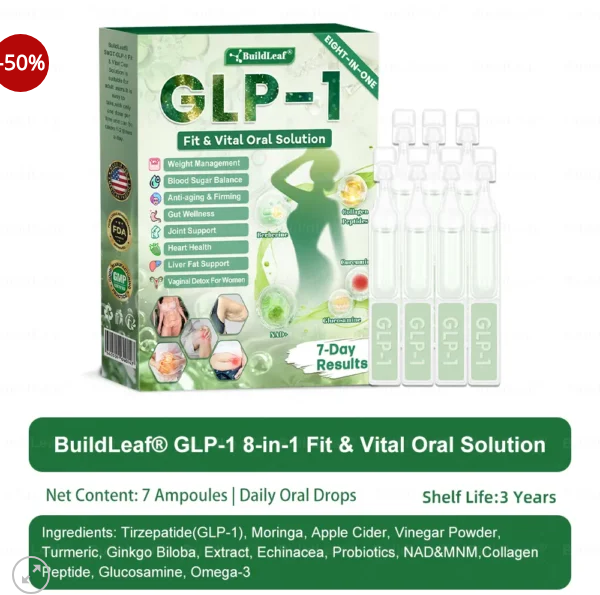
The box on buildleaf.org shows seven ampoules and a printed ingredient claim naming tirzepatide. Its medical presentation isn’t confined to a website headline.
When a claim appears on the package itself, the buyer is being asked to trust it every time the product is used, not merely during checkout.
Keep that packaging if you’ve received it. The product name, lot information and seller records help a clinician or regulator distinguish your purchase from another similarly named item.
Real Tirzepatide Is Not a Herbal Marketing Term
Recognizing the name doesn’t authenticate the drops
Tirzepatide is a real medicine ingredient. Lilly’s medicine information identifies its prescription Mounjaro and Zepbound injections, not BuildLeaf herbal drops.
Adding the same ingredient name to an advertisement does not transfer a medicine’s approval, manufacturing controls, dose or clinical evidence to a different product.
The important questions are practical. What is the actual active substance? How much is present? Who makes the finished product, and which authorization covers it?
A list that combines tirzepatide with moringa and other familiar ingredients can make the drug claim seem gentler. Familiarity does not answer those questions.
Oral GLP-1 medicines exist, but that doesn’t validate BuildLeaf
Don’t rely on the simplistic claim that all oral GLP-1 treatment is impossible. FDA information, for example, identifies Rybelsus as an oral semaglutide tablet.
That is a specific medicine with its own formulation. It doesn’t turn a product labeled herbal oral liquid into an interchangeable treatment.
For BuildLeaf, the problem is the identity and test results of the products on sale. An alternative way to take genuine medicine doesn’t solve that problem.
A promise of no side effects isn’t a safety assessment
Jeremytis presents the product as pharmaceutical-grade tirzepatide with zero side effects. That reassuring combination should not replace a discussion with a qualified professional.
Actual prescription information explains warnings and suitability because the same treatment is not appropriate for everyone. An advertisement that removes those questions makes the purchase easier, not safer.
The FDA’s supplement guidance also explains that supplements can interact with medicines. Herbal language is not a promise that a product is harmless.
How the BuildLeaf GLP-1 Scam Works
Step 1: Sell the appeal of treatment without the medical process
A shopper sees weight-loss language attached to tirzepatide and GLP-1. The product looks like a convenient way to reach a result associated with prescription care.
On Jeremytis, the bottle is listed at $17.95–$37.95 with one-, two- and three-piece options. The accessible price puts the buying decision within easy reach.
The page is selling more than a bottle. It’s selling relief from the effort, uncertainty and expense a frustrated reader may associate with managing weight.
But skipping a medical process also skips the opportunity to check whether the supposed treatment is genuine and appropriate.
Step 2: Make a broad ingredient story sound like a complete explanation
The formula is described through familiar health goals: appetite, metabolism, digestion and blood sugar. Each benefit gives the reader another reason to keep scrolling.
Several ingredient names can make the explanation seem more substantial, even when they don’t establish what is inside the purchased bottle or at what strength.
Distinguish an ingredient claim from proof of a finished formulation. The label should tell a patient what they are taking, not create a guessing exercise.
For these tested products, the advertised drug identity has already failed an important independent check. A longer ingredient list doesn’t repair it.
Step 3: Borrow the appearance of official approval
The Wowelo version goes as far as calling itself the ONLY official FDA store
. The wording tries to make a reseller look like an authority-backed destination.
That’s a powerful shortcut: the shopper is encouraged to stop asking whether the offer is trustworthy and start worrying about buying from somewhere else.
Yet a storefront’s own warning about counterfeits cannot authenticate its products. An approval must be traceable outside the seller’s sales material.
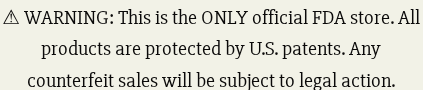
The FDA explains that dietary supplements do not receive its premarket safety-and-effectiveness approval. The badge language does not create a special exemption for this product.
A shopper shouldn’t have to choose between trusting a homemade approval graphic and missing a bargain. Neither is a substitute for a legitimate medical supply route.
If the promise is supposed to describe medicine, ask for the precise authorized medicine. If it describes a supplement, don’t accept medicine-level certainty from an approval slogan.
Step 4: Reinforce the promise with transformations and larger packages
The sales pages surround the offer with personal success narratives. These make the hoped-for result easier to picture than the unresolved questions about the product.
Wowelo says most customers order six boxes or more for results, while its menu offers one, two, four or eight pieces. That’s a sales nudge, not treatment guidance.
Don’t calculate a sensible dose or course from a package menu. More boxes cannot make an unverified medical product more trustworthy.
Likewise, separate the package quantity from any later subscription agreement. A multi-piece order can be expensive without being an automatic refill program.
Step 5: Reassure hesitant buyers with a long guarantee
A generous-looking guarantee can finish the sale when the medical pitch hasn’t quite convinced someone. The buyer imagines trying it first and deciding later.
Buildleaf.org’s product page uses 180-day guarantee language, but the delivery policy sets a much shorter return-request period and requires unused goods.
That matters before opening the bottle. A promise that feels like a trial may be difficult to reconcile with conditions that restrict a used product.
Don’t let the guarantee become permission to take a risk with your health. Deal with the order while the paperwork and deadlines are still easy to document.
The Seller and Return Terms Behind the BuildLeaf Name
The brand appears on more than one kind of offer
The Tirzepatide bottle, Eight-In-One box and Natural Herbal Drops have different names and presentations. Check the label against the exact page and receipt.
Buildleaf.org’s terms identify BUILDLEAF.ORG LLC as operator. Other stores take orders under their own names. A shared product label doesn’t automatically identify one legal merchant.
If something goes wrong, contact the business that charged you. A different reseller may sell a similar box without being responsible for your order.
Dispatch information doesn’t reveal the whole supply chain
Buildleaf.org’s delivery policy says orders ship from China and the US. That statement identifies dispatch possibilities, not the factory behind every bottle.
The useful health information is more specific: the responsible manufacturer, batch identity, ingredient amounts and records that apply to the actual finished product.
A shipping label cannot replace those details. Nor should a US flag, local-looking store or short delivery estimate make an unverifiable formulation feel medically approved.
The refund window is shorter than the sales reassurance
The same policy requires a return request within fourteen days of receiving an order. It says approved returns must be sent within seven days.
Goods must be unused and in their original packaging. The customer pays return shipping, and the original shipping charge isn’t refunded.
It also states that purchases cannot be canceled after placement. Those restrictions deserve attention alongside the much longer guarantee promoted on the product page.
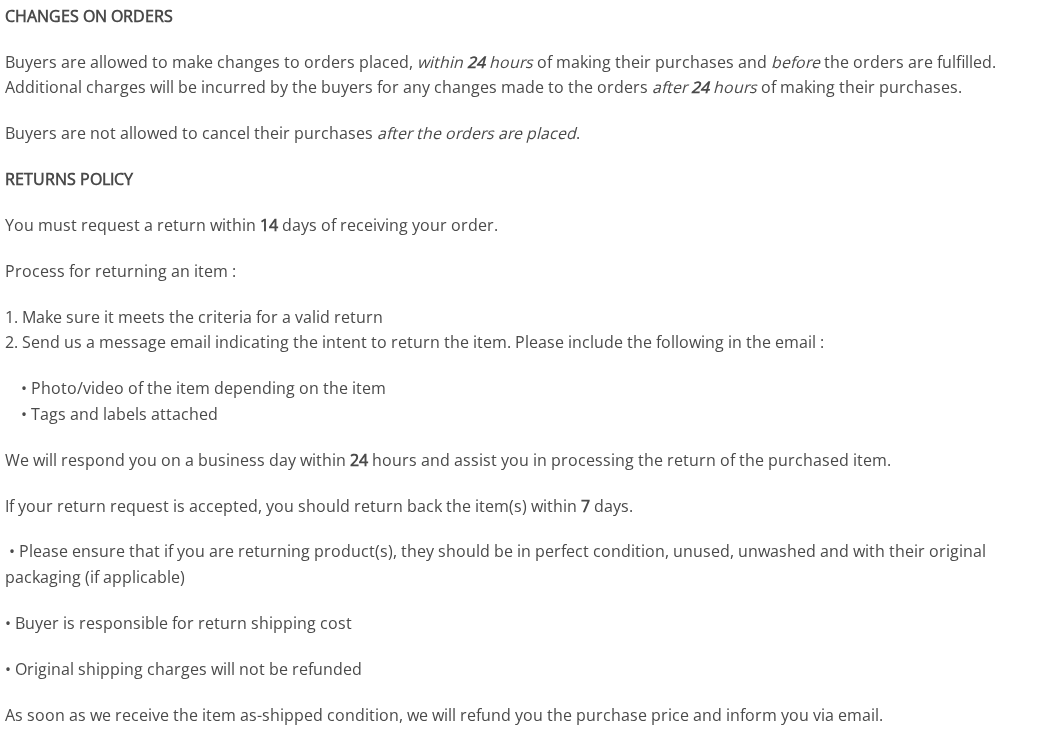
The store’s conditions may not be the full picture of your consumer rights. Ask your payment service or local consumer authority which protections apply.
Preserve the contradiction rather than arguing in generalities. A payment provider can evaluate a specific sales promise and a documented response more easily than an unsupported allegation.
Ask for clarification immediately, not after the advertised trial period. The earlier you act, the easier it is to show what you requested and when.
The support address points to a different domain
Buildleaf.org’s customer-service page publishes support@bizzoby.com. That address uses a different name from the store’s own operator wording.
The same support@bizzoby.com address appears on hhvb.net, the store selling the TGA-listed HHVB GLP-1 Moringa Drops.
Shared support details don’t prove common ownership, but they show why your complaint must name the exact store and order.
Include the order identifier, product presentation and charge amount in your first message. Use your own receipt to identify the merchant rather than contacting a random reseller.
Request an authorized returns destination before sending anything. The sender’s address on a package is not necessarily the destination that will process a refund.
Keep answers in writing. If instructions change, you will have a record of the earlier promise instead of relying on a conversation you cannot reproduce.
How to Read BuildLeaf Reviews Without Missing the Main Issue
A product testimonial, an independent purchase review and a laboratory finding answer different questions. Don’t treat them as competing versions of the same evidence.
A review can help explain delivery or support. It cannot establish that the bottle contains tirzepatide, and a successful shipment doesn’t authenticate the medical claim.
The Jeremytis and buildleaf.org product tabs show no submitted reviews alongside their promotional narratives. Read those narratives as part of the advertising, not a verified clinical record.
When checking external feedback, match the exact store and purchase details. A domain reputation score mainly evaluates website signals, not what is inside an oral solution.
Related reports cover HHVB Moringa Drops and HHVB Six in One drops, with their own product details and findings.
Our IFMAGIC investigation examines a separate regulatory action and current reseller claims. Each product’s evidence matters; similar marketing isn’t a universal test result.
What to Do If You Ordered BuildLeaf
-
Set the product aside and arrange medical advice. Show a pharmacist or clinician the complete box or bottle, including the ingredient panel and batch details.
Explain whether you’ve used it and what other medicines you take. Don’t alter an existing prescription based on the seller’s promise of equivalent treatment.
-
Record exactly what was sold. Save the item description, claims, guarantee, checkout summary and receipt. Photograph the delivered quantity before discarding any packaging.
If the bottle differs from the advertised one, document both clearly. The difference may be important to a refund dispute or a product-safety report.
-
Write to your merchant with a precise request. Ask to cancel an unshipped order or obtain a refund. Give the payment reference and retain a dated copy.
Explain the product-specific concern and any mismatch with the advertisement. Request the applicable deadline, return conditions and destination in the same message.
-
Keep the return costs and instructions visible. Before mailing a parcel, ask who pays postage and which amount will be refunded. Obtain approval in writing.
Use a service with tracking if a return is appropriate. Keep the shipping receipt and delivery record with your original purchase documents.
-
Escalate an unresolved payment problem without delay. Contact your card issuer or payment service and ask how to dispute the relevant issue within its deadlines.
Be accurate about the transaction: distinguish an authorized purchase with misleading claims from a charge you never permitted. Send the evidence and merchant correspondence.
-
Report symptoms and preserve identifying information. Seek medical help if you feel unwell. Tell the professional the product’s name rather than describing it as ordinary herbal drops.
For a regulator report, include the lot number, seller and purchase date. Monitor your statement for additional transactions that don’t match your actual agreement.
Frequently Asked Questions
Do BuildLeaf GLP-1 drops work as advertised?
Neither GLP-1 nor its analogues turned up in the two BuildLeaf products tested by Australia’s regulator. Don’t treat these drops as advertised medicine.
Does the warning also cover the BuildLeaf Eight-In-One box?
Yes. The advisory separately names Eight-In-One Fit & Vital Oral Solution. Match the full product name; similarly branded items aren’t automatically identical formulations.
Is BuildLeaf the same medicine as Mounjaro or Zepbound?
No. Sharing the word tirzepatide in sales copy doesn’t make BuildLeaf one of Lilly’s prescription medicines or transfer their approval to a herbal product.
Are BuildLeaf customer reviews enough to establish safety?
No. Reviews may describe a purchase experience, but they cannot verify drug contents or medical suitability. Promotional transformations should not outweigh product-specific laboratory evidence.
Is every oral GLP-1 product automatically fake?
No. Authorized oral medicines exist, including semaglutide tablets. The problem here is the particular products and their claims, not simply the act of swallowing a medicine.
Can I use the 180-day guarantee after trying the drops?
Don’t assume that. Buildleaf.org’s separate return conditions require a much earlier request and unused goods. Contact the seller promptly and save the conflicting promises.
The Bottom Line
Avoid BuildLeaf Tirzepatide GLP-1 Herbal Oral Liquid and the named Eight-In-One Fit & Vital product. The drug-like promise does not survive the independent testing.
If you have either product, put medical safety first, keep the packaging and pursue a refund promptly. A reassuring badge is no reason to keep taking it.

Join the discussion
0 commentsShare your experience or ask a question about this article.
Discussion
Start the conversation
Have a question or something useful to share? Add the first comment.