

When it comes to computer security, it’s important to be aware of the various processes and programs running on your system. One such process that you may come across is LogiOverlay.exe. In this article, we will explore what LogiOverlay.exe is, whether you should remove it, and whether it is considered malware or not.
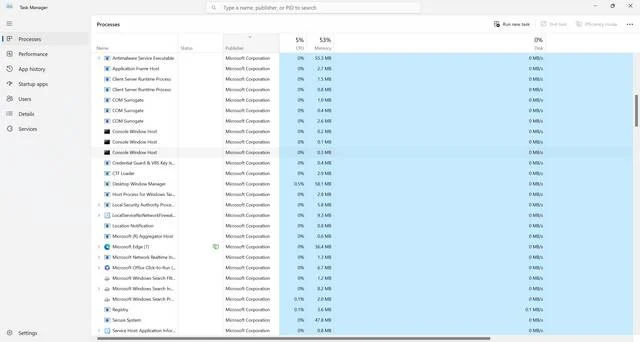
What is LogiOverlay.exe?
LogiOverlay.exe is a legitimate executable file associated with Logitech gaming software. Logitech is a well-known manufacturer of computer peripherals, including gaming keyboards, mice, and headsets. The LogiOverlay.exe process is responsible for providing overlay functionality in Logitech gaming software, allowing users to access additional features and information while playing games.
Overlay functionality typically includes features such as displaying in-game statistics, providing quick access to macros or hotkeys, and allowing users to customize their gaming experience. LogiOverlay.exe is designed to enhance the gaming experience for Logitech users by providing these additional features.
Should I Remove LogiOverlay.exe?
Whether or not you should remove LogiOverlay.exe depends on your specific needs and preferences. Here are a few factors to consider:
1. Legitimate Software:
If you have Logitech gaming software installed on your computer and actively use the overlay functionality, it is recommended to keep LogiOverlay.exe. Removing it may result in the loss of overlay features and customization options provided by Logitech.
2. Performance Impact:
While LogiOverlay.exe is a legitimate process, it is worth noting that it consumes system resources. If you notice a significant impact on your computer’s performance while running Logitech gaming software, you may consider disabling or removing LogiOverlay.exe to free up system resources.
3. Security Concerns:
LogiOverlay.exe itself is not considered malware or a security threat. However, it is always important to ensure that you have downloaded the Logitech gaming software from a trusted source. Malicious actors may attempt to disguise malware as Logitech software, so it is crucial to verify the authenticity of the software before installation.
If you suspect that LogiOverlay.exe or any other file on your system may be malware, it is recommended to perform a thorough antivirus scan using reputable security software. Malwarebytes Free is a popular choice for scanning and removing malware.
Is LogiOverlay.exe Malware?
LogiOverlay.exe itself is not considered malware. It is a legitimate file associated with Logitech gaming software. However, it is important to exercise caution and ensure that you have obtained the software from a trusted source. Malware authors may attempt to disguise their malicious programs as Logitech software to deceive users.
If you are unsure about the authenticity of LogiOverlay.exe or suspect that it may be malware, you can perform the following steps to verify its legitimacy:
- Check the file location: The legitimate LogiOverlay.exe file is typically located in the C:\ProgramData\Logishrd\LogiOptions\Software\Current\ or C:\Program Files (x86)\Logitech Gaming Software” directory. If you find the file in a different location, it may be a sign of malware.
- Scan with antivirus software: Run a thorough scan of your system using reputable antivirus software, such as Malwarebytes Free, to detect and remove any potential malware.
- Update Logitech software: Ensure that you have the latest version of Logitech gaming software installed. Regularly updating the software helps protect against potential security vulnerabilities.
Summary
LogiOverlay.exe is a legitimate executable file associated with Logitech gaming software. It provides overlay functionality, enhancing the gaming experience for Logitech users. Whether or not you should remove LogiOverlay.exe depends on your specific needs and preferences. If you actively use the overlay features and experience no significant performance issues, it is recommended to keep LogiOverlay.exe. However, if you notice a performance impact or have concerns about the authenticity of the software, you may consider disabling or removing LogiOverlay.exe. Remember to always download software from trusted sources and perform regular antivirus scans to ensure the security of your system.

Join the discussion
0 commentsShare your experience or ask a question about this article.
Discussion
Start the conversation
Have a question or something useful to share? Add the first comment.