

Facebook Messenger is a popular messaging platform used by millions of people around the world. It allows users to connect with friends, family, and colleagues, and share messages, photos, and videos. However, like any online platform, it is not immune to scams and fraudulent activities. One such scam that has been circulating on Facebook Messenger is the ‘Look What I’ve Found’ scam.
What is the ‘Look What I’ve Found’ Facebook Messenger Scam?
The ‘Look What I’ve Found’ scam is a type of phishing scam that targets Facebook Messenger users. It typically starts with a message from a friend or contact on Messenger, claiming to have found something interesting or exciting. The message may include a link or a photo with a caption that piques the recipient’s curiosity.
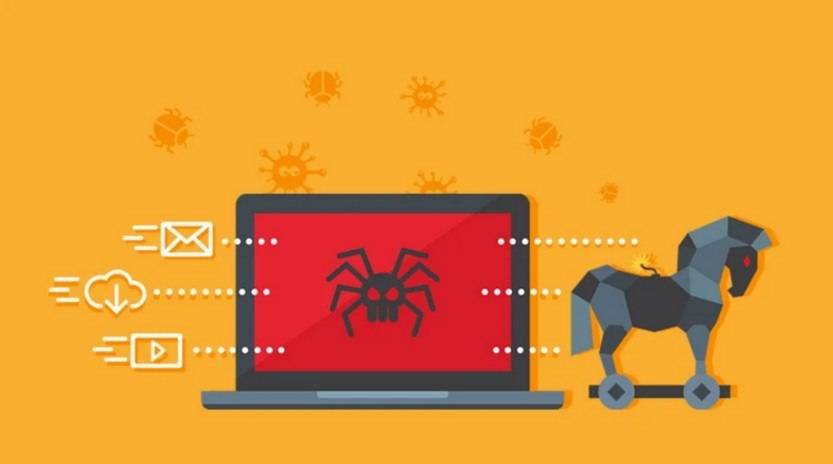
Once the recipient clicks on the link or opens the photo, they are redirected to a malicious website or prompted to download a file. These websites or files often contain malware or viruses that can infect the recipient’s device and compromise their personal information.
How Does the ‘Look What I’ve Found’ Facebook Messenger Scam Work?
The ‘Look What I’ve Found’ scam relies on social engineering techniques to trick users into clicking on malicious links or downloading infected files. Here is a step-by-step breakdown of how the scam typically works:
- The scammer gains access to a user’s Facebook account or creates a fake account.
- The scammer sends a message to the user’s contacts on Messenger, pretending to be the user.
- The message contains a link or a photo with an intriguing caption, designed to entice the recipient to click.
- When the recipient clicks on the link or opens the photo, they are redirected to a malicious website or prompted to download a file.
- If the recipient falls for the scam and downloads the file or visits the website, their device may become infected with malware or viruses.
- The scammer can then use the infected device to steal personal information, such as login credentials, financial details, or sensitive data.
What to Do If You Have Fallen Victim to the Scam?
If you have fallen victim to the ‘Look What I’ve Found’ Facebook Messenger scam, it is important to take immediate action to protect yourself and your device. Here are the steps you should follow:
- Disconnect from the internet: Disconnect your device from the internet to prevent further communication between the malware and the scammer’s server.
- Scan your device for malware: Run a scan with a reputable antivirus or anti-malware software, such as Malwarebytes Free, to detect and remove any malicious files or programs.
- Change your passwords: Change the passwords for all your online accounts, especially those associated with sensitive information like banking or email accounts.
- Enable two-factor authentication: Enable two-factor authentication for your online accounts whenever possible. This adds an extra layer of security by requiring a verification code in addition to your password.
- Inform your contacts: Let your friends and contacts know that your account has been compromised and advise them to be cautious of any suspicious messages or links.
- Monitor your accounts: Keep a close eye on your financial accounts, credit reports, and other sensitive information for any signs of unauthorized activity.
Technical Details of the ‘Look What I’ve Found’ Facebook Messenger Scam
The ‘Look What I’ve Found’ Facebook Messenger scam utilizes various techniques to deceive users and infect their devices. Here are some technical details of the scam:
- Social engineering: The scam relies on psychological manipulation to trick users into clicking on malicious links or downloading infected files.
- Malware distribution: The scam uses malicious websites or files to distribute malware, such as trojans, ransomware, or keyloggers.
- Phishing: The scam impersonates a trusted contact to gain the recipient’s trust and convince them to take action.
- Exploiting vulnerabilities: The scam may exploit vulnerabilities in the user’s device or software to gain unauthorized access or install malware.
Statistics on Facebook Messenger Scams
Facebook Messenger scams, including the ‘Look What I’ve Found’ scam, have become increasingly prevalent in recent years. Here are some statistics that highlight the scale of the issue:
- In 2020, Facebook reported removing over 1.3 billion fake accounts, many of which were involved in scams and fraudulent activities.
- A study conducted by the Better Business Bureau found that Facebook Messenger was the most common platform for online scams in 2020, accounting for 65% of reported scams.
- According to a report by Symantec, the number of phishing attacks targeting social media platforms, including Facebook, increased by 74% in 2020.
Summary
The ‘Look What I’ve Found’ Facebook Messenger scam is a phishing scam that targets users of the popular messaging platform. It tricks users into clicking on malicious links or downloading infected files, which can lead to malware infections and the compromise of personal information. If you have fallen victim to the scam, it is crucial to take immediate action by disconnecting from the internet, scanning your device for malware, changing your passwords, and informing your contacts. Stay vigilant and be cautious of any suspicious messages or links on Facebook Messenger to protect yourself from falling victim to scams.

Join the discussion
0 commentsShare your experience or ask a question about this article.
Discussion
Start the conversation
Have a question or something useful to share? Add the first comment.