

When it comes to computer security, it’s important to be aware of the various processes and programs running on your system. One such process that you may come across is MacriumService.exe. In this article, we will explore what MacriumService.exe is, whether you should remove it, and whether it is considered malware or not.
What is MacriumService.exe?
MacriumService.exe is a legitimate executable file associated with Macrium Reflect, a popular backup and disk imaging software. Macrium Reflect is used to create disk images and perform backups of your computer’s data. The MacriumService.exe process is responsible for running the background services required for Macrium Reflect to function properly.
Macrium Reflect is widely used by individuals and businesses alike to protect their data and ensure they have a reliable backup in case of system failures, data loss, or other unforeseen events. The MacriumService.exe process is an essential component of this software and should not be removed if you are using Macrium Reflect for backup purposes.
Should I Remove MacriumService.exe?
If you are not using Macrium Reflect or do not have it installed on your system, you may be wondering whether it is safe to remove the MacriumService.exe process. In general, it is safe to remove MacriumService.exe if you are not using Macrium Reflect or if you have uninstalled the software.
However, before removing any process or file from your system, it is always recommended to perform a thorough analysis to ensure that it is not a critical system component or part of another legitimate software. In the case of MacriumService.exe, if you are unsure whether you have Macrium Reflect installed or if you are experiencing any issues related to the software, it is best to consult the official Macrium Reflect documentation or seek assistance from their support team.
If you decide to remove MacriumService.exe, you can do so by following these steps:
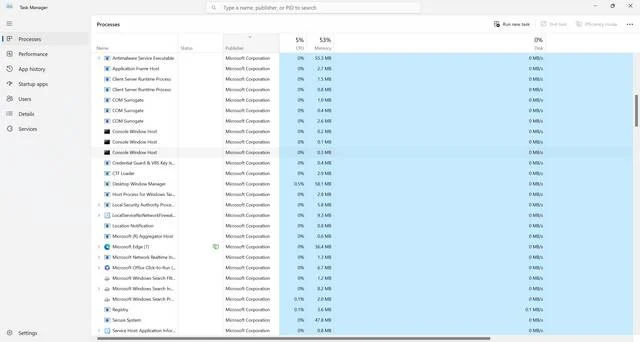
- Open the Task Manager by pressing Ctrl + Shift + Esc or by right-clicking on the taskbar and selecting “Task Manager.”
- Navigate to the “Processes” tab.
- Locate and select the MacriumService.exe process.
- Click on the “End Task” button to terminate the process.
- Once the process is terminated, you can delete the MacriumService.exe file from its location on your system.
It is important to note that removing MacriumService.exe without proper justification or understanding of its purpose can lead to unintended consequences or system instability. Therefore, exercise caution and ensure you have a valid reason for removing the process.
Is MacriumService.exe Malware?
MacriumService.exe is not considered malware. It is a legitimate process associated with Macrium Reflect, a reputable backup and disk imaging software. However, it is worth noting that malware authors sometimes use similar names to disguise their malicious processes. Therefore, it is essential to verify the location and digital signature of the MacriumService.exe file to ensure its authenticity.
If you suspect that the MacriumService.exe process on your system is malicious or if you are experiencing unusual behavior, it is recommended to perform a thorough scan using reliable antivirus software. One such software is Malwarebytes Free, which is known for its effectiveness in detecting and removing malware.
Summary
MacriumService.exe is a legitimate process associated with Macrium Reflect, a backup and disk imaging software. It is responsible for running the background services required for Macrium Reflect to function properly. If you are using Macrium Reflect, it is essential to keep the MacriumService.exe process intact. However, if you are not using the software, it is generally safe to remove the process.
It is important to exercise caution when removing any process from your system and ensure that it is not a critical system component or part of another legitimate software. If you suspect that the MacriumService.exe process on your system is malicious, it is recommended to perform a thorough scan using reliable antivirus software such as Malwarebytes Free.
Remember, maintaining a secure and well-functioning system requires regular monitoring and understanding of the processes running on your computer. By staying informed and taking appropriate actions, you can ensure the safety and performance of your system.

Join the discussion
0 commentsShare your experience or ask a question about this article.
Discussion
Start the conversation
Have a question or something useful to share? Add the first comment.