

Microsoft Excel is a powerful spreadsheet program that is widely used for data analysis, financial modeling, and various other tasks. However, you may have noticed that even after closing Excel, the process continues to run in the Task Manager. This can be confusing and may raise concerns about system performance and security. In this article, we will explore why the Microsoft Excel process remains active in the Task Manager and what implications it may have for your computer.
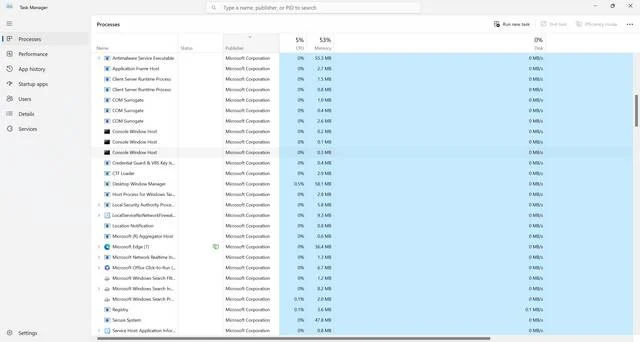
Understanding the Microsoft Excel Process
When you open Microsoft Excel, it launches multiple processes to handle different aspects of the program’s functionality. The main process, known as “excel.exe,” is responsible for managing the user interface and executing commands. However, there are also additional processes that run in the background to support various features and functionalities.
One such process is the “Excel Calculation Service” (EXCEL.EXE), which handles complex calculations and formulas in large spreadsheets. This process continues to run even after you close Excel to ensure that any ongoing calculations or data updates are completed. By keeping the process active, Excel can resume calculations from where it left off when you reopen the program.
Implications for System Performance
The presence of the Microsoft Excel process in the Task Manager does not necessarily indicate a performance issue. In fact, it is a normal behavior designed to enhance user experience and productivity. However, if you notice that the Excel process is consuming a significant amount of system resources, such as CPU or memory, it may be worth investigating further.
High resource usage by the Excel process can occur due to several reasons:
- Large and complex spreadsheets with numerous calculations and formulas
- External data connections that require frequent updates
- Add-ins or macros that execute resource-intensive operations
If you experience sluggish system performance while using Excel or notice that other applications are affected, it is recommended to close any unnecessary Excel files or processes. You can do this by manually ending the Excel process in the Task Manager or by closing all open Excel files.
Additionally, it is important to ensure that your computer meets the minimum system requirements for running Excel efficiently. Outdated hardware or insufficient memory can contribute to performance issues. Regularly updating your operating system and Excel to the latest versions can also help resolve any known performance-related bugs or issues.
Security Considerations
While the Microsoft Excel process running in the Task Manager is generally harmless, it is essential to remain vigilant about potential security risks. Malware and viruses can disguise themselves as legitimate processes, including Excel, to evade detection.
If you suspect that the Excel process running in the Task Manager is malicious or if you notice any unusual behavior, it is crucial to scan your computer for viruses and malware. One highly recommended tool for this purpose is Malwarebytes Free. It is a reputable anti-malware software that can detect and remove various types of threats.
Regularly updating your antivirus software and performing system scans can help mitigate the risk of malware infections. It is also advisable to exercise caution when opening Excel files from unknown or untrusted sources, as they may contain malicious macros or embedded code.
Conclusion
The Microsoft Excel process running in the Task Manager is a normal behavior and is designed to enhance the functionality and performance of the program. It ensures that ongoing calculations and data updates are completed, allowing you to resume your work seamlessly. However, if you notice high resource usage or suspect any security issues, it is important to investigate further and take appropriate actions.
By understanding the reasons behind the Excel process running in the Task Manager and implementing best practices for system performance and security, you can optimize your Excel experience and ensure a safe computing environment.

Join the discussion
0 commentsShare your experience or ask a question about this article.
Discussion
Start the conversation
Have a question or something useful to share? Add the first comment.