

Microsoft PowerPoint is a widely used presentation software that allows users to create visually appealing slideshows for various purposes, such as business presentations, educational lectures, and personal projects. However, some users may notice that the PowerPoint process continues to run in the background even after closing the application. This article aims to explore the reasons behind this behavior and provide valuable insights to the readers.
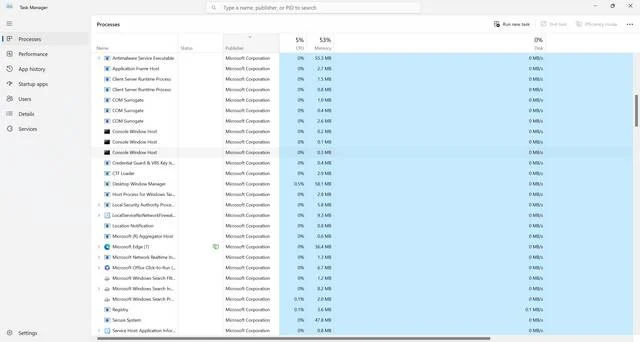
Understanding the PowerPoint Process in Task Manager
When you open Microsoft PowerPoint, it launches a process called “POWERPNT.EXE” in the Windows Task Manager. This process is responsible for running the PowerPoint application and handling all its functionalities. Once you close PowerPoint, the process should ideally terminate, freeing up system resources. However, in some cases, the process may continue to run in the background, even though the application is no longer visible.
Possible Reasons for PowerPoint Process Running in Task Manager
There are several reasons why the PowerPoint process may continue to run in the Task Manager:
- AutoRecover Feature: PowerPoint has an AutoRecover feature that automatically saves your work at regular intervals. This feature ensures that you don’t lose your progress in case of unexpected shutdowns or crashes. The AutoRecover process may continue running in the background to save your work periodically, even after you close PowerPoint.
- Linked Files: If your PowerPoint presentation contains linked files, such as images or videos, the process may continue running to maintain the connection with those files. This allows the presentation to display the linked content correctly, even if the original files are moved or renamed.
- Add-ins and Extensions: PowerPoint supports various add-ins and extensions that enhance its functionality. Some of these add-ins may require background processes to perform tasks or provide real-time updates. If you have installed any add-ins or extensions, they may be responsible for the PowerPoint process running in the background.
- Crashed Process: In rare cases, the PowerPoint process may crash or encounter an error while closing. When this happens, the process may fail to terminate properly, resulting in it continuing to run in the background. Restarting your computer or manually ending the process in the Task Manager can resolve this issue.
Impact on System Performance
The PowerPoint process running in the background generally has a minimal impact on system performance. However, if the process consumes a significant amount of CPU or memory resources, it can slow down your computer and affect other running applications. In such cases, it is advisable to investigate the cause and take appropriate actions to optimize system performance.
Resolving the Issue
If you find the PowerPoint process running in the Task Manager bothersome or suspect it may be causing performance issues, here are some steps you can take to resolve the issue:
- Close PowerPoint Correctly: Make sure you close PowerPoint properly by selecting “Exit” from the File menu or using the close button in the top-right corner of the application window. This ensures that the process terminates correctly, reducing the chances of it running in the background.
- Update PowerPoint: Keeping your PowerPoint application up to date can help resolve any known issues or bugs that may cause the process to continue running in the background. Check for updates regularly and install them as necessary.
- Disable Add-ins and Extensions: If you suspect that add-ins or extensions are responsible for the PowerPoint process running in the background, you can try disabling them temporarily. Open PowerPoint, go to the “File” menu, select “Options,” and navigate to the “Add-ins” or “Extensions” section. From there, you can manage and disable any installed add-ins or extensions.
- Scan for Viruses and Malware: Sometimes, malicious software can disguise itself as legitimate processes, including PowerPoint. It is always a good practice to scan your computer for viruses and malware using reliable security software. We recommend using Malwarebytes Free for comprehensive protection.
- Restart Your Computer: If the PowerPoint process continues to run in the background despite following the above steps, restarting your computer can help resolve any underlying issues. This will ensure a fresh start and may terminate any lingering processes.
Conclusion
The PowerPoint process running in the Task Manager after closing the application can be attributed to various factors, such as the AutoRecover feature, linked files, add-ins, or crashed processes. While it generally has a minimal impact on system performance, it is essential to address any performance issues or concerns. By following the steps mentioned above, you can resolve the issue and ensure that the PowerPoint process terminates correctly, freeing up system resources. Remember to stay vigilant and regularly update your security software to protect against potential threats.

Join the discussion
0 commentsShare your experience or ask a question about this article.
Discussion
Start the conversation
Have a question or something useful to share? Add the first comment.