

Microsoft Works is a productivity suite developed by Microsoft Corporation. It was first released in 1987 as a simplified version of Microsoft Office, targeting home and small business users. Over the years, Microsoft Works has gained popularity for its user-friendly interface and affordable price point. However, with the introduction of newer and more advanced software options, many users are left wondering if they should uninstall Microsoft Works from their computers. In this article, we will explore what Microsoft Works is, its features, and whether or not it is still relevant in today’s digital landscape.
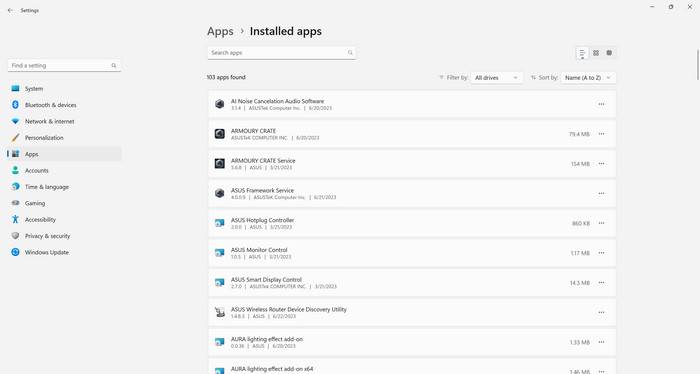
What is Microsoft Works?
Microsoft Works is a productivity suite that includes a word processor, spreadsheet program, database management system, and calendar application. It was designed to provide basic functionality for home and small business users at a more affordable price compared to Microsoft Office. The suite was often pre-installed on new computers, making it easily accessible to a wide range of users.
Microsoft Works offered a simplified user interface and a smaller set of features compared to Microsoft Office. This made it easier for users who were not familiar with complex software to create documents, manage data, and organize their schedules. The suite also included templates and wizards to assist users in creating professional-looking documents without extensive knowledge of formatting and design.
Features of Microsoft Works
Microsoft Works included several key features that made it a popular choice for many users:
- Word Processor: The word processor in Microsoft Works allowed users to create and edit documents with basic formatting options such as font styles, sizes, and colors. It also supported spell checking and grammar checking to ensure error-free writing.
- Spreadsheet Program: The spreadsheet program provided users with the ability to create and manage simple spreadsheets for tasks such as budgeting, inventory tracking, and data analysis. It included basic formulas and functions for calculations.
- Database Management System: Microsoft Works included a lightweight database management system that allowed users to organize and store data in a structured manner. It provided basic functionality for creating tables, forms, and reports.
- Calendar Application: The calendar application in Microsoft Works enabled users to schedule appointments, set reminders, and manage their daily tasks. It provided a simple interface for organizing and tracking events.
Is Microsoft Works Still Relevant?
With the advancement of technology and the availability of more powerful productivity suites, such as Microsoft Office and Google Workspace, the relevance of Microsoft Works has diminished over time. Here are a few reasons why users may consider uninstalling Microsoft Works:
- Limited Features: Microsoft Works offers a limited set of features compared to more advanced productivity suites. Users who require advanced functionality, such as complex formulas in spreadsheets or advanced formatting options in documents, may find Microsoft Works inadequate for their needs.
- Compatibility Issues: Microsoft Works uses its own file formats, which may not be compatible with other software applications. This can cause difficulties when sharing files with others or when migrating to a different productivity suite.
- Outdated Technology: Microsoft Works has not received significant updates or improvements in recent years. This means that users may miss out on the latest features, security enhancements, and bug fixes available in newer software options.
While Microsoft Works may still be sufficient for basic tasks, it is important to consider the long-term implications of using outdated software. Upgrading to a more modern productivity suite can provide users with a wider range of features, improved compatibility, and better support.
Should I Uninstall Microsoft Works?
Whether or not to uninstall Microsoft Works depends on individual needs and preferences. Here are a few factors to consider:
- Usage: Evaluate how frequently you use Microsoft Works and whether it meets your current requirements. If you rarely use the suite or find its features limiting, it may be worth uninstalling.
- Alternative Software: Research and explore alternative productivity suites that offer more advanced features and better compatibility. Consider options such as Microsoft Office, Google Workspace, or open-source alternatives like LibreOffice.
- File Migration: If you decide to uninstall Microsoft Works, ensure that you have a plan in place to migrate your existing files to a different software application. This may involve converting file formats or manually transferring data.
- Malware Concerns: If you suspect that your computer may be infected with malware, it is recommended to scan your system using reliable antivirus software. Malwarebytes Free is a popular choice for detecting and removing malware. You can download it from here.
Ultimately, the decision to uninstall Microsoft Works should be based on your specific needs and the availability of alternative software options that better suit your requirements.
Conclusion
Microsoft Works, once a popular productivity suite, has lost its relevance in today’s digital landscape. While it provided basic functionality for home and small business users, the limited features, compatibility issues, and outdated technology make it less appealing compared to more advanced software options. Users who require more advanced features and better compatibility may consider uninstalling Microsoft Works and exploring alternative productivity suites. However, it is important to plan for file migration and consider potential malware concerns before uninstalling any software. By making an informed decision, users can ensure they have the right tools to meet their productivity needs.

Join the discussion
0 commentsShare your experience or ask a question about this article.
Discussion
Start the conversation
Have a question or something useful to share? Add the first comment.