

Monitor.exe is a process that runs in the background on Windows operating systems. It is a legitimate executable file that is responsible for monitoring various system activities and providing information to the user. However, in some cases, Monitor.exe can be associated with malware or unwanted programs that can cause harm to your computer. In this article, we will explore what Monitor.exe is, how it can affect your system, and how to stop it if necessary.
Understanding Monitor.exe
Monitor.exe is a legitimate process that is commonly found in the Windows operating system. It is usually located in the C:\Windows\System32 folder. The main purpose of Monitor.exe is to monitor system activities and provide information to the user. It is responsible for collecting data about various processes, services, and hardware components of your computer.
Monitor.exe is an essential part of the Windows operating system and is not inherently harmful. However, it can be exploited by malware or unwanted programs to perform malicious activities on your computer. These malicious versions of Monitor.exe can consume system resources, slow down your computer, and even steal sensitive information.
Signs of Malicious Monitor.exe
If you suspect that Monitor.exe on your computer is malicious, there are several signs you can look out for:
- High CPU or memory usage: Malicious Monitor.exe processes often consume a significant amount of system resources, causing your computer to slow down.
- Unusual network activity: Malware may use Monitor.exe to communicate with remote servers, resulting in unexpected network traffic.
- Pop-up ads or redirects: Some malware may use Monitor.exe to display unwanted advertisements or redirect your web browser to malicious websites.
- System crashes or freezes: Malicious Monitor.exe processes can cause your computer to crash or become unresponsive.
If you notice any of these signs, it is important to take action to stop the malicious Monitor.exe process and protect your computer.
How to Stop Monitor.exe
If you suspect that Monitor.exe on your computer is malicious, here are some steps you can take to stop it:
Step 1: Identify the Malicious Process
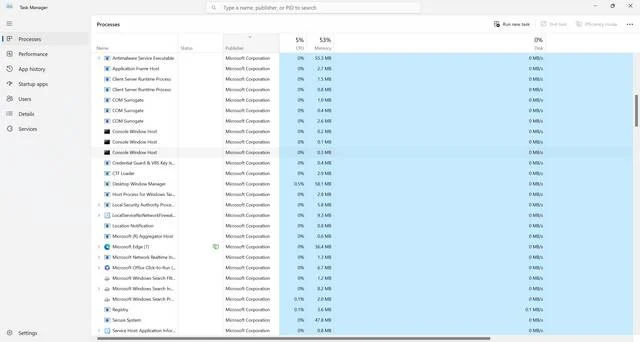
Open the Windows Task Manager by pressing Ctrl + Shift + Esc or by right-clicking on the taskbar and selecting “Task Manager.” In the Task Manager, go to the “Processes” tab and look for any suspicious processes related to Monitor.exe. Pay attention to the CPU and memory usage of each process.
Step 2: End the Malicious Process
To stop the malicious Monitor.exe process, right-click on it and select “End Task” or “End Process.” Confirm the action if prompted. Be cautious not to end any legitimate processes that may have similar names.
Step 3: Remove Malware with Malwarebytes
It is highly recommended to scan your computer with an antivirus program to remove any remaining malware or unwanted programs. We recommend using Malwarebytes Free, a reputable antivirus software that can detect and remove various types of malware.
Step 4: Prevent Future Infections
To prevent future infections and protect your computer, follow these best practices:
- Keep your operating system and software up to date with the latest security patches.
- Be cautious when downloading and installing software from untrusted sources.
- Use a reliable antivirus program and keep it updated.
- Avoid clicking on suspicious links or opening email attachments from unknown senders.
- Regularly backup your important files to an external storage device or cloud service.
Summary
Monitor.exe is a legitimate process that is responsible for monitoring system activities on Windows operating systems. However, it can be exploited by malware or unwanted programs to perform malicious activities. If you suspect that Monitor.exe on your computer is malicious, look out for signs such as high CPU or memory usage, unusual network activity, pop-up ads or redirects, and system crashes or freezes. To stop the malicious Monitor.exe process, identify and end the suspicious process in the Windows Task Manager. It is also recommended to scan your computer with an antivirus program like Malwarebytes Free to remove any remaining malware. To prevent future infections, keep your operating system and software up to date, be cautious when downloading software, use reliable antivirus software, avoid suspicious links and email attachments, and regularly backup your files.

Join the discussion
0 commentsShare your experience or ask a question about this article.
Discussion
Start the conversation
Have a question or something useful to share? Add the first comment.