

When you open the Task Manager on your Windows computer, you may notice a process called “MSIAfterburner.exe” running in the background. This process is associated with the popular overclocking utility, MSI Afterburner. In this article, we will explore why the MSI Afterburner process is running in Task Manager, its purpose, and how it can benefit users.
What is MSI Afterburner?
MSI Afterburner is a powerful overclocking utility developed by MSI, a leading manufacturer of graphics cards and motherboards. It allows users to tweak and optimize their graphics card settings to achieve higher performance. With MSI Afterburner, users can adjust core clock speeds, memory clock speeds, fan speeds, and voltage settings to push their graphics cards beyond their factory limits.
Overclocking can provide significant performance improvements in gaming and other GPU-intensive tasks. However, it is important to note that overclocking may void the warranty of your graphics card and can potentially cause stability issues if not done correctly. Therefore, it is recommended to proceed with caution and ensure proper cooling measures are in place.
Why is the MSI Afterburner Process Running in Task Manager?
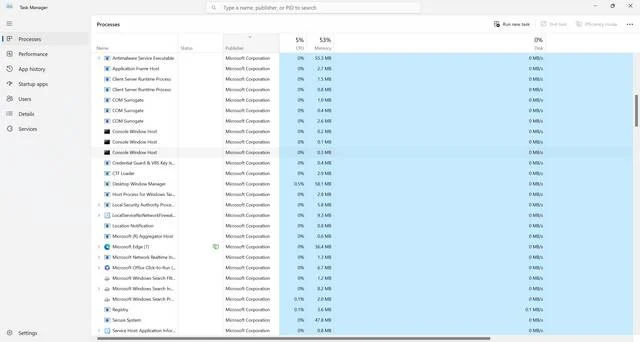
When you install MSI Afterburner on your computer, it automatically adds a startup entry to ensure it runs every time you boot up your system. The “MSIAfterburner.exe” process running in Task Manager is the main executable file of MSI Afterburner. It is responsible for monitoring and controlling the overclocking settings you have applied to your graphics card.
The MSI Afterburner process running in Task Manager allows you to access the utility’s user interface, where you can adjust various settings and monitor real-time GPU statistics. It provides a convenient way to keep an eye on your graphics card’s performance and temperature.
Benefits of Using MSI Afterburner
1. Overclocking Performance: MSI Afterburner allows users to squeeze out extra performance from their graphics cards by overclocking them. This can result in smoother gameplay, higher frame rates, and improved overall system performance.
2. Custom Fan Profiles: With MSI Afterburner, you can create custom fan profiles to control the speed of your graphics card’s cooling fans. This can help keep your GPU temperatures in check, preventing overheating and potential performance throttling.
3. Real-Time Monitoring: The utility provides real-time monitoring of GPU usage, temperature, clock speeds, and other important metrics. This information can be invaluable for troubleshooting performance issues, identifying bottlenecks, and optimizing system settings.
4. On-Screen Display: MSI Afterburner offers an on-screen display feature that allows you to overlay real-time GPU statistics on top of your games. This can help you keep track of your system’s performance without needing to switch between applications.
Is the MSI Afterburner Process Safe?
Yes, the MSI Afterburner process is safe and legitimate. It is a widely used and trusted utility among PC enthusiasts and gamers. However, it is important to download MSI Afterburner from the official MSI website or other reputable sources to ensure you are getting the genuine software.
If you notice any suspicious behavior or performance issues after installing MSI Afterburner, it is recommended to scan your system for viruses or malware. You can use Malwarebytes Free, a reliable and effective anti-malware tool, to perform a thorough scan and remove any potential threats.
Conclusion
The MSI Afterburner process running in Task Manager is an essential component of the MSI Afterburner overclocking utility. It allows users to optimize their graphics card settings, monitor real-time GPU statistics, and achieve higher performance in gaming and other GPU-intensive tasks.
By using MSI Afterburner, you can unlock the full potential of your graphics card and enhance your overall gaming experience. However, it is important to exercise caution when overclocking and ensure proper cooling measures are in place to avoid any potential stability issues.
Remember to download MSI Afterburner from trusted sources and regularly scan your system for viruses or malware to ensure a safe and secure computing experience. With the right precautions, MSI Afterburner can be a valuable tool for PC enthusiasts and gamers looking to push their hardware to the limit.

Join the discussion
0 commentsShare your experience or ask a question about this article.
Discussion
Start the conversation
Have a question or something useful to share? Add the first comment.