

Officeclicktorun.exe is a process that runs in the background on Windows operating systems and is associated with Microsoft Office applications. It is responsible for managing the installation, updates, and maintenance of Office programs on your computer. While it is a legitimate component of Microsoft Office, there have been instances where it has been exploited by malware to carry out malicious activities.
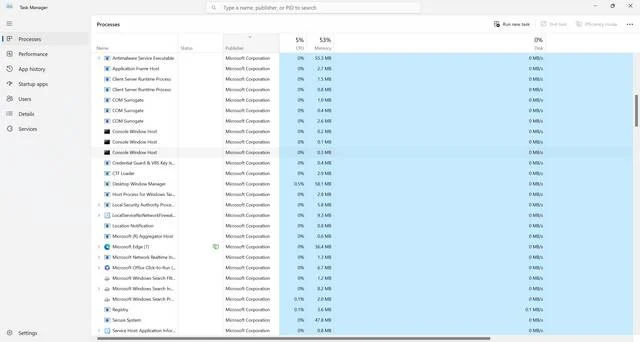
What is Officeclicktorun.exe?
Officeclicktorun.exe is a background process that is part of the Click-to-Run technology used by Microsoft Office. This technology allows users to install and update Office applications directly from the internet, without the need for physical media or traditional installation methods. It provides a streamlined and efficient way to manage Office software on your computer.
When you install Microsoft Office using the Click-to-Run technology, Officeclicktorun.exe is automatically installed as well. It runs in the background and ensures that your Office applications are up to date by checking for updates and installing them when available. It also manages the virtualization of Office applications, allowing multiple versions of Office to coexist on the same computer.
Is Officeclicktorun.exe Safe?
In most cases, Officeclicktorun.exe is a legitimate and safe process that is essential for the proper functioning of Microsoft Office. However, there have been instances where malware has disguised itself as Officeclicktorun.exe to carry out malicious activities.
Malware can exploit the name and location of Officeclicktorun.exe to hide its presence on your computer. It may use the same file name and store itself in the same directory to avoid suspicion. This can make it difficult to distinguish between the legitimate process and the malicious one.
To ensure that Officeclicktorun.exe on your computer is safe, it is recommended to perform a thorough scan using a reliable antivirus software. Malwarebytes Free is a highly recommended antivirus program that can detect and remove malware effectively.
How to Determine if Officeclicktorun.exe is Legitimate?
If you suspect that Officeclicktorun.exe on your computer may be malicious, there are several steps you can take to determine its legitimacy:
- Check the file location: The legitimate Officeclicktorun.exe file is usually located in the “C:\Program Files\Microsoft Office\root\OfficeXX” directory, where “XX” represents the version number of Office installed on your computer. If you find the file in a different location, it may be a sign of malware.
- Verify the digital signature: Right-click on the Officeclicktorun.exe file, go to Properties, and navigate to the Digital Signatures tab. Check if the digital signature is valid and issued by Microsoft Corporation. If there is no digital signature or it is not from Microsoft, it may indicate a malicious file.
- Scan with antivirus software: Perform a thorough scan of your computer using a reliable antivirus software, such as Malwarebytes Free. It will detect and remove any malware posing as Officeclicktorun.exe.
Should I Remove Officeclicktorun.exe?
If you have determined that the Officeclicktorun.exe file on your computer is legitimate, it is recommended not to remove it. Removing the legitimate Officeclicktorun.exe can cause issues with the functioning of Microsoft Office applications and prevent them from receiving updates.
However, if you have confirmed that the Officeclicktorun.exe file is malicious, it is crucial to remove it immediately to prevent further damage to your computer. Use a reliable antivirus software, such as Malwarebytes Free, to scan and remove the malware.
Conclusion
Officeclicktorun.exe is a legitimate process associated with Microsoft Office that is responsible for managing the installation, updates, and maintenance of Office applications. While it is generally safe, there have been instances where malware has disguised itself as Officeclicktorun.exe.
To ensure the safety of your computer, it is important to verify the legitimacy of Officeclicktorun.exe by checking its file location, digital signature, and performing a thorough scan with reliable antivirus software. If it is determined to be malicious, immediate removal is necessary.
Remember to regularly update your antivirus software and keep your operating system and applications up to date to minimize the risk of malware infections. By taking these precautions, you can ensure the smooth and secure operation of your computer.

Join the discussion
0 commentsShare your experience or ask a question about this article.
Discussion
Start the conversation
Have a question or something useful to share? Add the first comment.