

When it comes to computer processes and files, it’s not uncommon to come across unfamiliar names that leave you wondering whether they are essential or potentially harmful. One such file is onenotem.exe. In this article, we will delve into what onenotem.exe is, its purpose, and whether you should consider removing it from your system.
What is onenotem.exe?
Onenotem.exe is an executable file associated with Microsoft OneNote, a popular note-taking application. It is a legitimate file that is part of the Microsoft Office suite and is typically located in the “C:\Program Files\Microsoft Office\root\OfficeXX” directory, where “XX” represents the version number of Office installed on your system.
OneNote is widely used for its ability to create and organize digital notes, making it a valuable tool for students, professionals, and individuals who need to keep track of information. Onenotem.exe, specifically, is responsible for handling the integration between OneNote and Microsoft Outlook.
Should I be concerned about onenotem.exe?
Given that onenotem.exe is a legitimate file associated with Microsoft Office, there is generally no need to be concerned about its presence on your system. It is not considered a threat or malware. However, it’s important to note that malware can sometimes disguise itself as legitimate files to avoid detection.
If you suspect that onenotem.exe may be malicious or causing issues on your system, it is recommended to scan your computer for viruses and malware. One reliable tool for this purpose is Malwarebytes Free. It is a trusted antivirus program that can help identify and remove any potential threats.
How to determine if onenotem.exe is genuine?
If you want to verify the authenticity of onenotem.exe on your system, you can follow these steps:
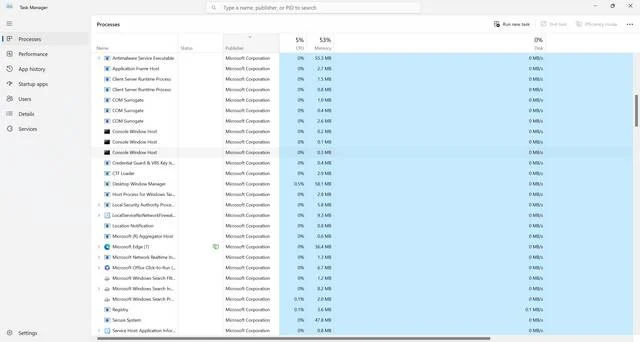
- Open the Windows Task Manager by pressing Ctrl + Shift + Esc or right-clicking on the taskbar and selecting “Task Manager.”
- Click on the “Processes” or “Details” tab, depending on your Windows version.
- Locate onenotem.exe in the list of processes.
- Right-click on onenotem.exe and select “Open File Location.”
- A new File Explorer window will open, displaying the location of onenotem.exe. If the file is located in the “C:\Program Files\Microsoft Office\root\OfficeXX” directory, it is likely genuine.
If you find onenotem.exe in a different location or suspect it to be malicious, it is advisable to run a scan with an antivirus program like Malwarebytes Free to ensure the safety of your system.
Can I remove onenotem.exe?
While onenotem.exe is not a threat, you may still consider removing it if you do not use Microsoft OneNote or do not require the integration between OneNote and Outlook. Removing onenotem.exe will not affect the functionality of other Microsoft Office applications.
To remove onenotem.exe, you can follow these steps:
- Open the Windows Task Manager by pressing Ctrl + Shift + Esc or right-clicking on the taskbar and selecting “Task Manager.”
- Click on the “Processes” or “Details” tab, depending on your Windows version.
- Locate onenotem.exe in the list of processes.
- Right-click on onenotem.exe and select “End Task” or “End Process.”
- Open File Explorer and navigate to the “C:\Program Files\Microsoft Office\root\OfficeXX” directory.
- Delete the onenotem.exe file.
It is important to note that removing onenotem.exe will disable the integration between OneNote and Outlook. If you later decide to use this feature, you will need to reinstall Microsoft OneNote or repair your Office installation.
Conclusion
Onenotem.exe is a legitimate file associated with Microsoft OneNote and is responsible for handling the integration between OneNote and Outlook. It is not considered a threat or malware. However, if you do not use OneNote or require the integration, you can remove onenotem.exe without affecting the functionality of other Microsoft Office applications.
If you suspect that onenotem.exe may be malicious or causing issues on your system, it is recommended to scan your computer for viruses and malware using a trusted antivirus program like Malwarebytes Free.
Remember to always exercise caution when dealing with unfamiliar files and processes on your computer. Verifying the authenticity of files and running regular scans for malware can help ensure the security and smooth operation of your system.

Join the discussion
0 commentsShare your experience or ask a question about this article.
Discussion
Start the conversation
Have a question or something useful to share? Add the first comment.