

The internet is filled with promises of “one-click riches,” but very few ever live up to the hype. One of the latest schemes making waves is the Pegasus Cash Button App, also marketed as “CashButton” and promoted on sites like getpegasusofficial.com. The pitch is simple but enticing: press a button on your phone once a day and watch as money floods into your bank account.
On the surface, it sounds like a dream. Who wouldn’t want a phone trick or “push button system” that generates hundreds of dollars daily without effort? But as with most things that sound too good to be true, the reality is far less glamorous.
In this in-depth review, we will break down exactly how the Pegasus Cash Button App scam operates, the red flags that expose its deceptive tactics, and what you can do if you’ve already fallen victim. By the end, you will have a clear understanding of why this so-called system is not what it claims to be and how to protect yourself from similar scams in the future.
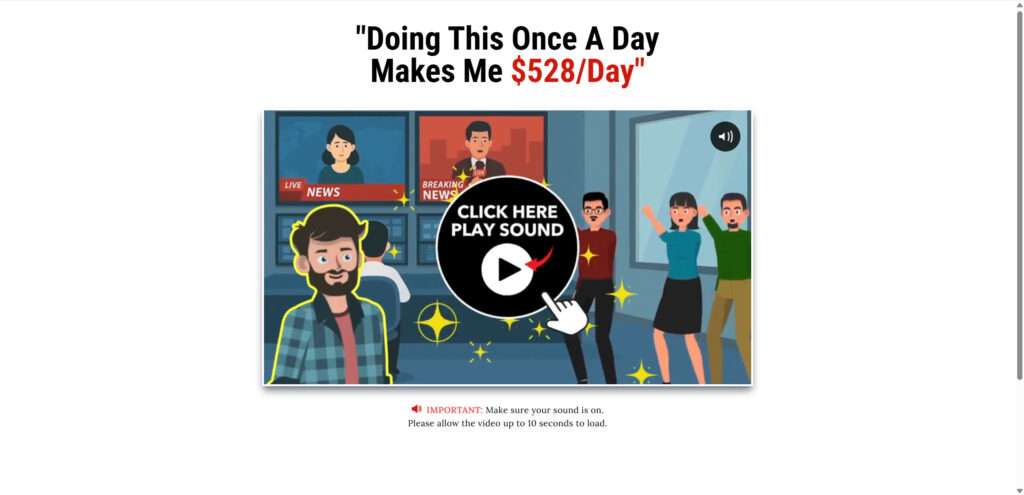
What Is the Pegasus Cash Button App?
The Pegasus Cash Button App—often just called CashButton—is presented as a digital tool that allows anyone to earn money online by simply clicking once per day. The ads and websites describe it as a revolutionary breakthrough in “digital income systems.”
The core sales pitch includes:
- A daily income promise of $300 to $700 per day.
- Zero work required — supposedly no selling, no talking to people, no experience necessary.
- A secret phone trick that allegedly exploits a loophole.
- Low upfront cost of around $47 to gain “lifetime access.”
- Money-back guarantee used as a trust signal.
But when you peel back the layers, several troubling realities emerge.
1. Aggressive Marketing Through Social Media Ads
Scammers behind the Pegasus Cash Button App rely heavily on Facebook, Instagram, YouTube, and TikTok ads to spread their pitch. These ads often use stock photos, AI-generated avatars, or animated cartoon characters claiming they stumbled upon a “phone trick” that changed their lives.
The ads include fake countdown timers and emotional stories of ordinary people quitting their jobs, paying off debt, or living lavish lifestyles thanks to this “button.”
2. The Sales Funnel Is Designed to Manipulate
When you click on these ads, you’re redirected to flashy websites like getpegasusofficial.com. The landing pages typically include:
- A video sales letter filled with hype and urgency.
- Fake testimonials claiming the system works.
- Bold income screenshots (often Photoshopped).
- Psychological tricks like pop-ups saying “You’re next in line” or “Only 3 spots left.”
The goal is to pressure you into paying quickly without thinking.
3. The “Low Price” Bait and Switch
The entry price of $47 might seem small compared to the big promises of daily passive income. But this is just the beginning. Once you’ve entered your payment details, victims often report:
- Being hit with upsells for additional “premium features.”
- Unexpected recurring subscription charges.
- Zero legitimate product delivery — only a generic PDF or outdated affiliate marketing guide.
4. The Illusion of a Money-Back Guarantee
CashButton’s websites often highlight a 60-day “money-back guarantee.” In reality, users report difficulty reaching customer support, ignored refund requests, or being bounced back and forth between the vendor and payment processor.
Guarantees are a classic trust-building trick, but rarely honored.
5. Fabricated Reviews and Testimonials
The reviews shown on their websites are often fake. They use stock images, AI-generated faces, and fabricated names. Independent platforms like Trustpilot, Reddit, or Better Business Bureau (BBB) either show no reviews or negative complaints about unauthorized charges and deceptive practices.
6. No Real Contact Information
Another hallmark of scams is the absence of verifiable contact details. The Pegasus Cash Button App sites often have:
- No physical business address.
- Broken or generic email contact forms.
- Privacy policies that don’t load or link to generic templates.
This lack of transparency makes it virtually impossible to hold them accountable.
7. The Bigger Scam Network
One of the most important details is that Pegasus Cash Button App is not unique. It’s part of a broader scam network where scammers continually rebrand their programs under different names like:
- 7-Minute Phone Trick
- WiFi Profits App
- Income Team X
- Money Finder Official
- AI Wealth Profit
Each follows the same formula: exaggerated promises, flashy videos, fake urgency, and a low initial cost leading to recurring charges.
In short, Pegasus Cash Button App is not a legitimate income system but a rebranded scam designed to exploit people’s hopes for easy money.
This scam has been also investigated by Jordan Liles on his YouTube channel, where he offers a detailed video on the subject. We recommend watching his content for a comprehensive understanding of the scam.
Next, let’s break down exactly how scammers carry out this scam from start to finish.
How the Pegasus Cash Button App Scam Works
To fully understand this scheme, let’s break down the operation step by step.
Step 1: The Hook – Flashy Ads and Big Claims
The first stage is always attention-grabbing ads on platforms like Facebook or YouTube. These ads promise life-changing money with almost no effort. Some claim:
- “Do this once a day and make $528/day.”
- “Turn your phone into a money machine.”
- “7 minutes a day replaces your job.”
These messages appeal to people who are struggling financially, offering a fast and easy escape.
Step 2: The Landing Page – Building Hype
When you click the ad, you land on a professional-looking site such as getpegasusofficial.com.
Here’s what you see:
- A video presentation featuring either an AI-generated spokesperson or an actor reading a script.
- Stories of ordinary people allegedly earning thousands by pressing a button.
- Screenshots of bank accounts or PayPal balances (often fake).
- Pop-ups urging you to stay on the page and not miss your chance.
The entire page is engineered to build urgency and suppress skepticism.
Step 3: The Illusion of Exclusivity
Scammers add psychological pressure by telling you:
- “Only 5 spots left today.”
- “Your session will expire in 9 minutes.”
- “This loophole is closing soon.”
In reality, these are fake timers and endless spots. The goal is to make you act before you think critically.
Step 4: The Payment Page – Small Entry Fee
Eventually, you’re funneled to a checkout page where you’re asked to pay around $47. They highlight:
- “No rebills.”
- “Lifetime access.”
- “One-time payment.”
This reassurance is designed to lower your guard. But many victims report recurring charges anyway.
Step 5: The Useless Product Delivery
After payment, instead of receiving a powerful money-making app, you usually get:
- A generic PDF teaching outdated affiliate marketing tricks.
- Links to free tools anyone can find on Google.
- Instructions that require far more effort and knowledge than promised.
In other words, you don’t get what was advertised.
Step 6: The Upsell Funnel
Once they have your credit card details, the scammers push additional upsells such as:
- “Advanced income booster package.”
- “Exclusive mastermind training.”
- “VIP Pegasus Access.”
Each costs more money, sometimes hundreds of dollars.
Step 7: Recurring Charges and Refund Block
Despite claims of “no rebills,” many buyers discover unauthorized recurring charges. And when they request refunds:
- Emails bounce back.
- Contact forms don’t work.
- Payment processors tell you to contact the seller, who never replies.
This creates a loop where refunds are nearly impossible.
Step 8: Rebranding and Disappearing
Once enough complaints pile up, the scammers shut down getpegasusofficial.com and reopen under a new name with a similar funnel. This allows them to stay ahead of bad reviews and watchdog sites.
What to Do if You’ve Fallen Victim to the Pegasus Cash Button App
If you already purchased the Pegasus Cash Button App or CashButton system, don’t panic. There are steps you can take to protect your money and potentially recover lost funds.
1. Stop Any Further Payments
- Immediately cancel your credit card or request a new one.
- Contact your bank or payment provider to block further charges.
- Ask if they can monitor for any suspicious activity.
2. Request a Refund
- If you paid via a platform like ClickBank, PayPal, or Stripe, contact them directly and file a refund request.
- Provide as much detail as possible, including screenshots of misleading claims.
- Be persistent, as scammers will try to stall until refund windows close.
3. Dispute the Charges
- File a chargeback with your credit card company.
- Explain that the product was misrepresented and not as advertised.
- Chargebacks are often successful in scam cases.
4. Report the Scam
Report Pegasus Cash Button App to relevant authorities to help protect others:
- FTC (Federal Trade Commission) – reportfraud.ftc.gov
- IC3 (Internet Crime Complaint Center) – ic3.gov
- Better Business Bureau (BBB) – bbb.org
- Local consumer protection agencies.
5. Warn Others
- Leave honest reviews on platforms like Trustpilot, Reddit, or Facebook groups.
- Share your experience to prevent others from falling for the same scam.
6. Monitor Your Accounts
- Keep an eye on your bank statements for any unusual activity.
- Consider using identity theft protection if your data was shared.
Frequently Asked Questions About the Pegasus Cash Button App Scam
What is the Pegasus Cash Button App?
The Pegasus Cash Button App, also marketed as CashButton, is promoted as a money-making system where users allegedly earn hundreds of dollars daily by pressing a button on their phone. The website getpegasusofficial.com claims the system is simple, requires no skills, and can generate passive income. In reality, it is a scam that delivers little more than generic PDFs and upsells, while draining victims through hidden charges.
Is the Pegasus Cash Button App legit or a scam?
The Pegasus Cash Button App is a scam. It uses false advertising, fake testimonials, and fabricated bank screenshots to trick people into paying an upfront fee, typically $47. Victims often report unauthorized recurring charges, upsell traps, and difficulty obtaining refunds. No legitimate “push button app” exists that can generate $500+ per day with no effort.
How does the Pegasus Cash Button App scam work?
The scam follows a predictable pattern:
- Clickbait Ads – Social media ads on Facebook, YouTube, or TikTok promote a “phone trick” or “7-minute system.”
- Landing Page Hype – Sites like getpegasusofficial.com showcase fake videos, urgent countdown timers, and testimonials.
- Payment Funnel – Victims pay around $47 for “lifetime access” to the system.
- Worthless Product Delivery – Instead of a powerful app, users receive a generic guide or outdated affiliate marketing instructions.
- Upsells and Recurring Charges – Victims are bombarded with additional paid offers and often charged monthly fees without consent.
- Refund Block – Customer support is unresponsive, making it nearly impossible to reclaim money.
Why do scammers use sites like getpegasusofficial.com?
Scammers frequently change domains and brand names to avoid detection. Getpegasusofficial.com is just one of many websites used in this scam network. Once complaints accumulate or watchdogs expose the fraud, scammers shut down the site and reopen under a new name, such as 7-Minute Phone Trick, WiFi Profits App, or Income Team X. This constant rebranding allows them to keep tricking new victims.
What red flags show that Pegasus Cash Button App is a scam?
Key warning signs include:
- Unrealistic promises of $500–$700 per day with zero effort.
- Use of stock photos, AI-generated faces, or cartoon avatars in testimonials.
- Fake urgency with countdown timers and “limited spots available.”
- Lack of contact details, company information, or working customer support.
- Reports of unauthorized charges and ignored refund requests.
Can you really make money with the Pegasus Cash Button App?
No. The Pegasus Cash Button App does not generate real income. The so-called “CashButton system” is simply a marketing funnel designed to extract payments from unsuspecting users. Any product you receive is generic and freely available online. Genuine income opportunities require effort, transparency, and proven strategies — not “one-click tricks.”
What should I do if I already paid for the Pegasus Cash Button App?
If you purchased the Pegasus Cash Button App or subscribed through getpegasusofficial.com, take immediate action:
- Cancel your card to prevent further charges.
- Request a refund through the payment processor (ClickBank, PayPal, Stripe, or your bank).
- File a chargeback with your credit card company if the seller refuses.
- Report the scam to the FTC, IC3.gov, and BBB to help warn others.
- Monitor your accounts for suspicious activity.
Are there other scams like Pegasus Cash Button App?
Yes. The Pegasus Cash Button App is part of a broader network of phone trick and WiFi trick scams. Other names include:
- 7-Minute Phone Trick
- WiFi Profits App
- Income Team X
- Money Finder Official
- AI Wealth Profit
All of these scams follow the same formula: exaggerated promises, fake urgency, and worthless products.
Is the money-back guarantee for Pegasus Cash Button App real?
While getpegasusofficial.com advertises a 60-day money-back guarantee, most victims report that refunds are rarely honored. Contact forms don’t work, customer support ignores requests, and buyers are left with unauthorized charges. The “guarantee” is just a sales tactic to build trust and reduce skepticism.
How can I avoid scams like Pegasus Cash Button App in the future?
To protect yourself:
- Research before buying — search for independent reviews on Trustpilot, Reddit, and BBB.
- Avoid systems that promise “automatic income” or “push-button wealth.”
- Check the website’s domain age using WHOIS lookup (scam sites are often brand new).
- Be skeptical of “limited-time offers” and fake urgency tactics.
- Never trust testimonials with stock photos or no verifiable identities.
The Bottom Line
The Pegasus Cash Button App, also known as CashButton, is not a legitimate income-generating tool. It’s a scam that preys on people’s hopes of quick wealth with minimal effort. From flashy ads to fake testimonials and hidden charges, every element of this scheme is designed to deceive.
Here’s the truth:
- There is no button that generates $500+ per day.
- The system provides little more than generic information you could find for free.
- Refunds are rarely honored, and many users report unauthorized charges.
- The operation will likely rebrand under a new name once enough people catch on.
If you’re serious about building income online, focus on legitimate opportunities such as freelancing, real e-commerce, or learning digital marketing skills. Shortcuts like Pegasus Cash Button App will only waste your time and money.
Final Verdict: The Pegasus Cash Button App is a scam. Stay away.

Join the discussion
0 commentsShare your experience or ask a question about this article.
Discussion
Start the conversation
Have a question or something useful to share? Add the first comment.