

In this blog post, we will explore the Real Watt device, a product that claims to offer significant energy-saving benefits for your home. We will examine what it is, how it works, and whether it is a scam or a legitimate product. We will also provide some tips on what to do if you have fallen victim to this scam or are considering buying this device.
What is Real Watt?
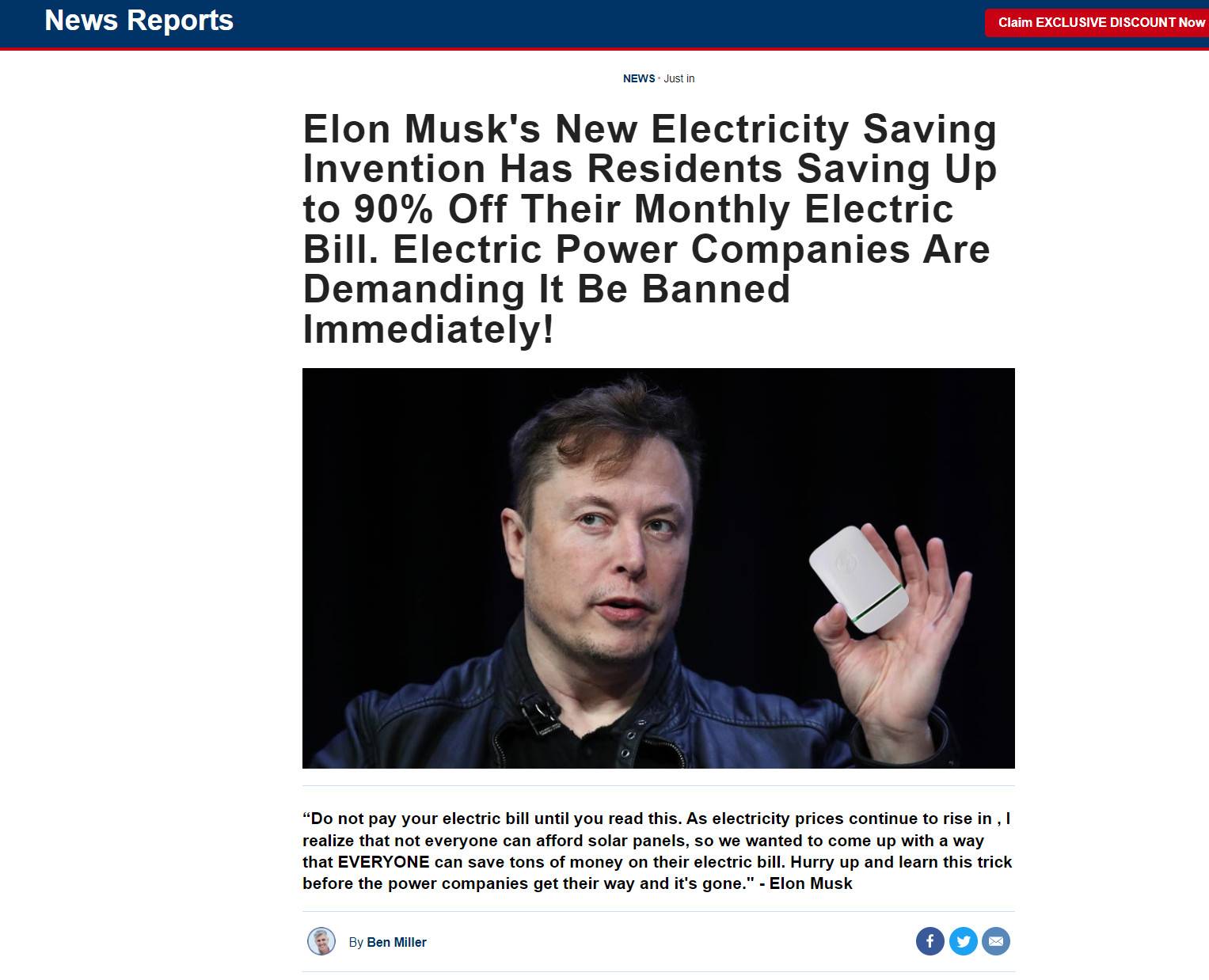
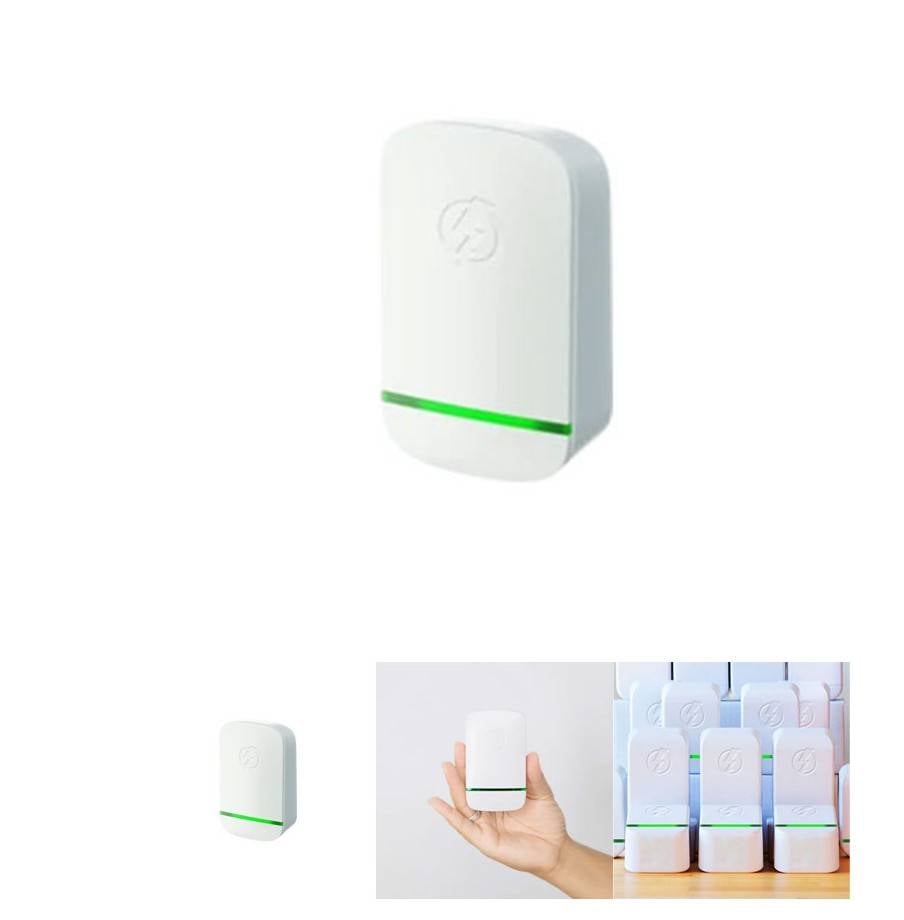
Real Watt is a small device that plugs into any standard electrical outlet in your home. It claims to use advanced technology to monitor and optimize the flow of electricity in your home, reducing the amount of power wasted by your appliances and electronics.
According to its website, Real Watt can help you save up to 90% on your energy bill by eliminating power surges, stabilizing voltage, and improving power factor. Power factor is a measure of how efficiently electricity is used by your devices. A low power factor means that some of the electricity is lost as heat or noise, while a high power factor means that most of the electricity is converted into useful work.
Real Watt claims to be easy to use, requiring no installation or maintenance. All you have to do is plug it into any outlet and enjoy the benefits. It also claims to be compatible with any type of appliance or electronic device, regardless of the size or power rating.
How does Real Watt work?
Real Watt claims to work by using a capacitor, a device that stores electrical charge and releases it when needed. The capacitor is supposed to act as a buffer between the power source and your devices, smoothing out the fluctuations in voltage and current that occur in the electrical grid.
By doing so, Real Watt claims to reduce the amount of electricity that is wasted as heat or noise by your devices, thus lowering your energy consumption and bill. It also claims to protect your devices from overheating and extend their lifespan.
Is Real Watt a scam?
Unfortunately, Real Watt is not a legitimate product, but a scam that has been exposed by many reputable sources. Here are some of the reasons why Real Watt is a scam:
- It makes false and exaggerated claims about its functionality and effectiveness. There is no scientific evidence or credible explanation for how Real Watt can reduce your electricity consumption by 90%. In fact, such devices are physically impossible, as they violate the laws of thermodynamics and conservation of energy. These laws state that energy cannot be created or destroyed, only transformed from one form to another. Therefore, any device that claims to save energy must either generate it from another source or reduce the demand for it by your devices. Real Watt does neither of these things.
- It uses fake testimonials and endorsements from celebrities and experts. The website and social media pages of Real Watt feature glowing reviews from satisfied customers and endorsements from famous figures like Elon Musk and Leonardo DiCaprio. However, these are all fabricated and have no basis in reality. Neither Musk nor DiCaprio have ever endorsed or used Real Watt, and they have publicly denounced such scams. Moreover, there are no independent or verified reviews or ratings of Real Watt from any reputable sources or platforms.
- It operates through shady websites and payment methods. The website of Real Watt is poorly designed and full of grammatical errors and spelling mistakes. It also uses a generic domain name that does not match the product name. Moreover, the payment methods offered by Real Watt are insecure and untraceable, such as PayPal or credit cards. There is no guarantee that you will receive your product or get a refund if you are dissatisfied. There is also no contact information or customer service available for Real Watt.
Should I buy Real Watt?
The answer is a resounding no. Real Watt is a scam that will not deliver on its promises and will only waste your money and time. It will not save you any electricity or protect your devices from damage. It may even pose a fire hazard or damage your electrical system.
There are many other ways to save money on your electricity bill that are proven and effective, such as:
- Switching to energy-efficient appliances and light bulbs: These devices use less electricity than conventional ones for the same output or performance. They also last longer and require less maintenance. You can look for the Energy Star label or the energy rating label to identify energy-efficient products.
- Using smart thermostats and power strips: These devices allow you to control and monitor the temperature and power usage of your home remotely or automatically. You can set schedules, preferences, and modes to optimize your energy consumption and comfort. You can also turn off or unplug devices that are not in use or in standby mode, as they still consume some electricity.
- Adjusting your thermostat settings and turning off unused devices: You can save a lot of energy by simply adjusting your thermostat settings by a few degrees, depending on the season and time of day. You can also turn off or unplug devices that are not in use or in standby mode, as they still consume some electricity.
- Insulating your home and sealing air leaks: You can prevent heat loss or gain by improving the insulation and sealing of your home. You can use weather stripping, caulking, foam, or other materials to seal gaps and cracks around windows, doors, walls, floors, and ceilings. You can also add insulation to your attic, basement, or crawl space to reduce heat transfer.
- Using renewable energy sources like solar panels or wind turbines: You can generate your own electricity from clean and renewable sources like the sun or the wind. You can install solar panels on your roof or wind turbines on your property to harness these natural resources. You can also sell any excess electricity you produce to the grid or store it in batteries for later use.
These methods will not only help you save money, but also reduce your environmental impact and carbon footprint.
What to do if you have fallen victim
If you have already purchased Real Watt or similar products, you should take the following steps:
- Contact your bank or credit card company and report the transaction as fraudulent: Inform your bank or credit card company that you have been scammed by Real Watt and request a chargeback or a refund. Provide them with any evidence or documentation you have of the transaction, such as receipts, invoices, emails, screenshots, etc. Act quickly, as there may be a time limit for filing a dispute.
- Request a chargeback or a refund from the seller or payment processor: If you paid through PayPal or another payment processor, you may be able to request a chargeback or a refund from them as well. Follow their procedures and policies for filing a claim and provide them with any evidence or documentation you have of the transaction.
- File a complaint with the Federal Trade Commission (FTC) or your local consumer protection agency: Report Real Watt to the FTC or your local consumer protection agency and provide them with any information or evidence you have of the scam. This will help them investigate and take action against Real Watt and similar scams. You can also check their websites for any updates or alerts on Real Watt or other scams.
- Warn your friends and family about the scam and share this article with them: Spread the word about Real Watt and other scams to prevent others from falling victim to them. Share this article with your friends and family through social media, email, or word of mouth. Educate yourself and others on how to spot and avoid scams online.
Conclusion
Real Watt is a scam that you should avoid at all costs. It does not work as advertised and will only rip you off. Do not fall for its false claims and fake endorsements. Instead, use reliable and effective ways to save energy and money in your home.
We hope this article has helped you understand the truth behind Real Watt and how to protect yourself from such scams. If you have any questions or comments, please feel free to leave them below. Thank you for reading!

Join the discussion
0 commentsShare your experience or ask a question about this article.
Discussion
Start the conversation
Have a question or something useful to share? Add the first comment.