

When it comes to computer processes and files, it’s not uncommon for users to come across unfamiliar names that may raise concerns. One such file is ROGLiveService.exe. In this article, we will delve into what ROGLiveService.exe is, whether you should remove it, and whether it is malware or not.
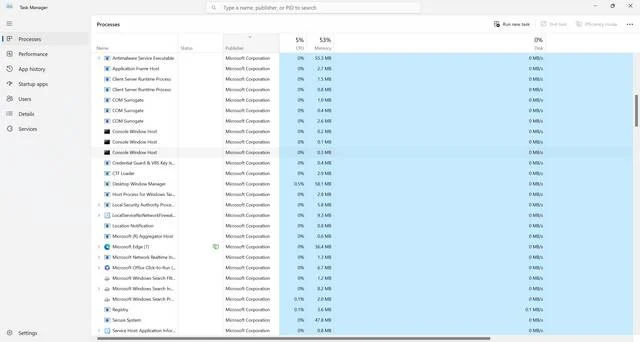
What is ROGLiveService.exe?
ROGLiveService.exe is a process associated with ASUS ROG (Republic of Gamers) software. ASUS ROG is a brand of gaming hardware and software developed by ASUS, a well-known computer hardware manufacturer. The ROGLiveService.exe file is part of the ASUS ROG Live Service, which is designed to enhance the gaming experience for ASUS ROG users.
The ROGLiveService.exe process runs in the background and provides various functionalities, such as automatic driver updates, system monitoring, and optimization for gaming performance. It is typically located in the “C:Program Files (x86)ASUSROG Live Service” directory on Windows systems.
Should I Remove ROGLiveService.exe?
Whether you should remove ROGLiveService.exe depends on your specific needs and preferences. Here are a few factors to consider:
1. Gaming Experience:
If you are an ASUS ROG user and actively engage in gaming, removing ROGLiveService.exe may impact your gaming experience. The software provides valuable features, such as automatic driver updates and system optimization, which can enhance performance and stability while gaming.
2. Resource Usage:
ROGLiveService.exe, like any other background process, consumes system resources. If you have limited system resources or notice a significant impact on system performance, you may consider disabling or removing the process. However, it’s important to note that the resource usage of ROGLiveService.exe is generally minimal and should not cause significant performance issues on modern systems.
3. Personal Preferences:
Ultimately, the decision to remove ROGLiveService.exe depends on your personal preferences. If you do not use the ASUS ROG software or do not find its features useful, you may choose to remove it to declutter your system. However, it’s recommended to weigh the potential benefits and drawbacks before making a decision.
If you decide to remove ROGLiveService.exe, you can do so through the Windows Control Panel. Simply navigate to “Programs and Features,” locate the ASUS ROG Live Service, and uninstall it. Alternatively, you can use third-party uninstaller software to ensure a complete removal.
Is ROGLiveService.exe Malware?
ROGLiveService.exe is not considered malware. It is a legitimate process associated with ASUS ROG software. However, it’s worth noting that malware can sometimes disguise itself as legitimate processes to avoid detection. Therefore, it’s essential to ensure that the ROGLiveService.exe file on your system is genuine and not a malicious imposter.
To verify the authenticity of ROGLiveService.exe, you can perform a scan using reputable antivirus software. We recommend using Malwarebytes Free, a trusted antivirus program known for its effectiveness in detecting and removing malware.
Running a scan with Malwarebytes Free will help identify any potential threats on your system, including malware that may be disguising itself as ROGLiveService.exe. If the scan detects any suspicious files or processes, it’s important to take appropriate action to remove or quarantine them.
Summary
ROGLiveService.exe is a process associated with ASUS ROG software, designed to enhance the gaming experience for ASUS ROG users. Whether you should remove it depends on your specific needs and preferences. Consider factors such as your gaming experience, resource usage, and personal preferences before making a decision.
While ROGLiveService.exe is not malware, it’s important to verify the authenticity of the file on your system. Perform a scan using reputable antivirus software, such as Malwarebytes Free, to ensure your system is free from any potential threats.
Ultimately, the decision to remove ROGLiveService.exe should be based on careful consideration of its benefits and drawbacks, as well as your individual requirements.

Join the discussion
0 commentsShare your experience or ask a question about this article.
Discussion
Start the conversation
Have a question or something useful to share? Add the first comment.