

When you open the Task Manager on your Windows computer, you may notice a process called “Service Host: DCOM Server Process Launcher” running in the background. This process, also known as “svchost.exe,” is an essential component of the Windows operating system. In this article, we will explore why this process is running, its functions, and how it impacts your computer’s performance.
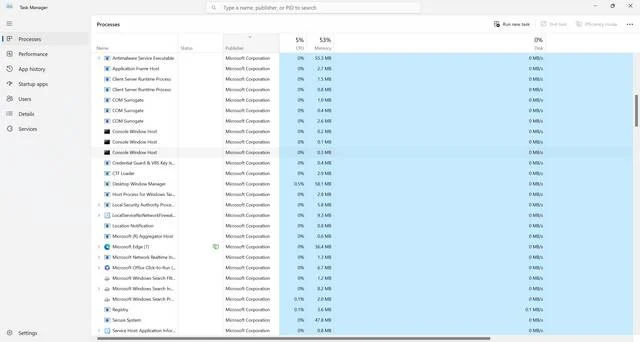
What is Service Host: DCOM Server Process Launcher?
The Service Host: DCOM Server Process Launcher is a Windows system process responsible for launching and hosting various services required by other programs on your computer. It acts as a container for multiple services, allowing them to run efficiently and share system resources.
Each instance of the Service Host process can host multiple services, and you may see multiple instances running simultaneously in the Task Manager. These instances are identified by their unique Process ID (PID) and can be associated with different groups of services.
Why is it running?
The Service Host: DCOM Server Process Launcher is an integral part of the Windows operating system and is necessary for the proper functioning of various services and programs. It runs in the background to ensure that these services can operate smoothly without impacting the overall performance of your computer.
Some of the services hosted by the DCOM Server Process Launcher include:
- Windows Update
- Windows Firewall
- Windows Defender
- Windows Audio
- Print Spooler
- and many more…
These services are essential for the security, stability, and functionality of your Windows system. By hosting them within the Service Host process, Windows can efficiently manage and allocate system resources, ensuring optimal performance.
How does it impact your computer’s performance?
The Service Host: DCOM Server Process Launcher itself is a lightweight process and typically consumes minimal system resources. However, the services hosted within it can vary in their resource usage depending on their specific functions and requirements.
If you notice high CPU or memory usage by the Service Host process, it may indicate that one or more services hosted within it are experiencing issues or are consuming excessive resources. In such cases, it is recommended to investigate further to identify the problematic service.
To troubleshoot high resource usage by the Service Host process, you can follow these steps:
- Open the Task Manager by pressing Ctrl + Shift + Esc or right-clicking on the taskbar and selecting “Task Manager.”
- Click on the “Processes” tab.
- Locate the “Service Host: DCOM Server Process Launcher” process.
- Right-click on the process and select “Go to details.”
- In the “Details” tab, note the Process ID (PID) of the selected instance.
- Switch to the “Services” tab.
- Look for the service(s) associated with the Process ID noted earlier.
- Identify the service(s) consuming high CPU or memory resources.
- Once identified, you can take appropriate action, such as restarting the service or updating it to the latest version.
If you suspect that the high resource usage is due to malware or viruses, it is crucial to scan your computer using reliable security software. We recommend using Malwarebytes Free to perform a thorough scan and remove any potential threats.
Conclusion
The Service Host: DCOM Server Process Launcher is a critical component of the Windows operating system, responsible for hosting various services required by other programs. It ensures the smooth functioning of these services while efficiently managing system resources.
While the Service Host process itself consumes minimal resources, the services hosted within it can impact your computer’s performance. Monitoring the resource usage and troubleshooting any issues related to specific services can help maintain a healthy and optimized system.
Remember to regularly update your Windows system and security software to ensure that the services hosted by the DCOM Server Process Launcher are up to date and protected against potential vulnerabilities. By understanding the role of the Service Host process, you can better manage and optimize your computer’s performance.

Join the discussion
0 commentsShare your experience or ask a question about this article.
Discussion
Start the conversation
Have a question or something useful to share? Add the first comment.