

When you open the Task Manager on your Windows computer, you may come across a process called “Service Host: Network Location Awareness” running in the background. This process, also known as svchost.exe, is responsible for managing network-related services and protocols on your system. In this article, we will explore why this process is running and its significance in maintaining a stable and secure network connection.
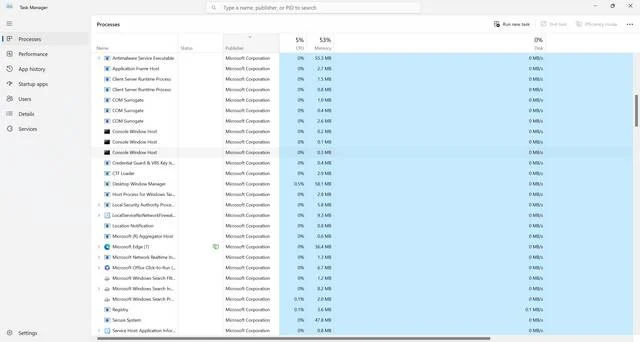
Understanding Service Host: Network Location Awareness
The Service Host: Network Location Awareness process plays a crucial role in identifying the network location of your computer. It helps Windows determine whether your device is connected to a private or public network, which in turn affects the security settings and behavior of your system.
When you connect to a new network, such as a home or office network, Windows relies on the Network Location Awareness service to determine the appropriate network profile. This profile determines the level of security and access permissions granted to your device. For example, when connected to a public network, Windows may enable stricter firewall rules and limit file sharing capabilities to protect your system from potential threats.
Why Is Service Host: Network Location Awareness Running?
The Service Host: Network Location Awareness process runs in the background to continuously monitor your network connection and update the network profile accordingly. It ensures that your system adapts to changes in network environments and maintains the appropriate security settings.
Here are a few reasons why the Service Host: Network Location Awareness process may be running:
- Network Changes: Whenever you connect to a new network or switch between networks, the process is triggered to update the network profile.
- Network Troubleshooting: The process may run when Windows detects network issues and attempts to diagnose and resolve them.
- Network-Related Services: The process hosts various network-related services, such as the DNS Client service, DHCP Client service, and Network List Service. These services rely on the Network Location Awareness process to function properly.
Is Service Host: Network Location Awareness a Security Concern?
Seeing the Service Host: Network Location Awareness process running in Task Manager may raise concerns about potential malware or security threats. While it is always important to be vigilant, this process is a legitimate part of the Windows operating system and is not inherently malicious.
However, it is worth noting that malware can sometimes disguise itself as legitimate processes to avoid detection. If you suspect any malicious activity on your system, it is recommended to scan your computer for viruses and malware using reputable security software like Malwarebytes Free.
Managing Service Host: Network Location Awareness
If you encounter any issues related to the Service Host: Network Location Awareness process, there are a few troubleshooting steps you can take:
- Restart Your Computer: Sometimes, a simple restart can resolve temporary glitches and restore the proper functioning of the process.
- Check Network Settings: Ensure that your network settings are configured correctly and that you are connected to the appropriate network.
- Update Network Drivers: Outdated or incompatible network drivers can cause issues with the Network Location Awareness process. Visit your computer manufacturer’s website or the network adapter manufacturer’s website to download and install the latest drivers.
- Scan for Malware: As mentioned earlier, scanning your computer for malware can help identify and remove any potential threats.
Conclusion
The Service Host: Network Location Awareness process is an essential component of the Windows operating system that manages network-related services and protocols. It ensures that your computer adapts to changes in network environments and maintains the appropriate security settings. While it may seem unfamiliar or raise concerns, it is a legitimate process and not inherently malicious.
If you encounter any issues related to the Service Host: Network Location Awareness process, following the troubleshooting steps mentioned above should help resolve them. Remember to stay vigilant and regularly scan your computer for malware using reliable security software like Malwarebytes Free to ensure the overall security and stability of your system.

Join the discussion
0 commentsShare your experience or ask a question about this article.
Discussion
Start the conversation
Have a question or something useful to share? Add the first comment.