

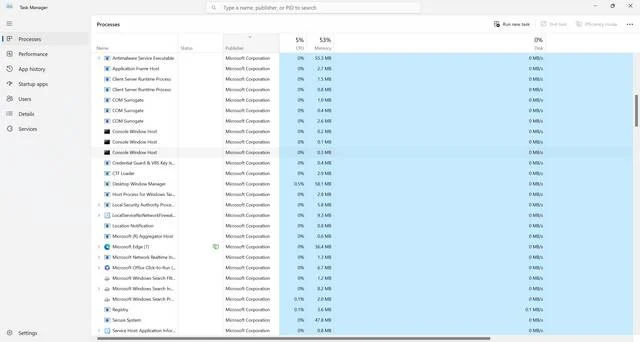
When you open the Task Manager on your Windows computer, you may come across a process called “Service Host: Routing and Remote Access” running in the background. This process might raise some questions and concerns, especially if you are not familiar with its purpose and functionality. In this article, we will explore the Service Host: Routing and Remote Access process, why it is running in Task Manager, and what it means for your system’s security and performance.
Understanding Service Host: Routing and Remote Access
The Service Host: Routing and Remote Access process, also known as “svchost.exe,” is a crucial component of the Windows operating system. It is responsible for managing and hosting various system services required for network connectivity and remote access functionality.
Routing and Remote Access is a Windows service that enables network routing, virtual private network (VPN) connections, and dial-up connections. It allows users to connect to remote networks securely and access resources located on those networks. This process plays a vital role in facilitating communication between your computer and other devices or networks.
Why Is Service Host: Routing and Remote Access Running?
There are several reasons why the Service Host: Routing and Remote Access process might be running on your system:
- VPN Connections: If you have configured a VPN connection on your computer, the Routing and Remote Access process will be active to manage and maintain the connection. VPNs are commonly used to establish secure connections over the internet, allowing users to access resources on a private network remotely.
- Remote Access Services: If you have enabled remote access services on your computer, such as Remote Desktop or Remote Assistance, the Routing and Remote Access process will be running to handle incoming and outgoing remote connections. These services are often used for remote troubleshooting, accessing files, or controlling a computer from a different location.
- Network Routing: The Routing and Remote Access process is responsible for managing network routing on your system. It ensures that data packets are correctly directed between different networks, allowing for efficient communication and data transfer.
It is important to note that the presence of the Service Host: Routing and Remote Access process in Task Manager does not necessarily indicate a security threat or malware infection. However, it is always recommended to stay vigilant and regularly scan your system for viruses or malware using reliable security software like Malwarebytes Free.
Potential Issues and Troubleshooting
While the Service Host: Routing and Remote Access process is essential for network connectivity and remote access, it can sometimes cause issues or consume excessive system resources. Here are a few common problems associated with this process:
- High CPU or Memory Usage: In some cases, the Routing and Remote Access process may consume a significant amount of CPU or memory resources, leading to system slowdowns. This issue can be caused by misconfigured network settings, conflicts with other services, or outdated network drivers. To resolve this problem, you can try restarting the process or updating your network drivers.
- Connection Problems: If you are experiencing difficulties with your VPN or remote access connections, the Routing and Remote Access process might be the culprit. Ensure that your network settings are correctly configured, and check for any firewall or antivirus software that might be blocking the connections. Additionally, restarting the process or resetting your network settings can help resolve connection issues.
If you encounter persistent issues or are unsure about troubleshooting steps, it is advisable to seek assistance from a knowledgeable IT professional or consult relevant online forums for further guidance.
Conclusion
The Service Host: Routing and Remote Access process is an integral part of the Windows operating system, responsible for managing network connectivity and remote access services. It enables VPN connections, remote desktop functionality, and network routing, allowing users to connect to remote networks securely and access resources located on those networks.
While the presence of this process in Task Manager is normal and expected, it is essential to stay vigilant and regularly scan your system for viruses or malware using reliable security software like Malwarebytes Free. If you encounter any issues related to the Routing and Remote Access process, such as high CPU or memory usage or connection problems, you can try troubleshooting steps like restarting the process or updating your network drivers.
By understanding the purpose and functionality of the Service Host: Routing and Remote Access process, you can ensure a secure and efficient network experience on your Windows computer.

Join the discussion
0 commentsShare your experience or ask a question about this article.
Discussion
Start the conversation
Have a question or something useful to share? Add the first comment.