

When you open the Task Manager on your Windows computer, you may come across a process called “Service Host: SSDP Discovery.” This process might raise some questions and concerns, especially if you are not familiar with it. In this article, we will explore what the Service Host: SSDP Discovery process is, why it is running in Task Manager, and whether it poses any risks to your system.
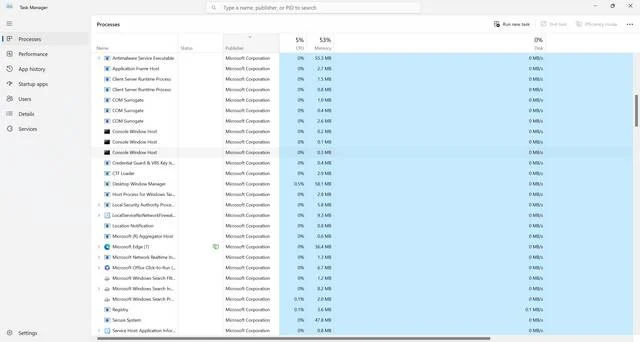
Understanding the Service Host: SSDP Discovery Process
The Service Host: SSDP Discovery process is a legitimate Windows component that is responsible for discovering and announcing Universal Plug and Play (UPnP) devices on your network. UPnP is a set of networking protocols that allows devices to discover and communicate with each other seamlessly.
When the Service Host: SSDP Discovery process is running, it listens for SSDP (Simple Service Discovery Protocol) messages on your network. These messages are used by devices to announce their presence and capabilities. For example, when you connect a new printer to your network, it sends an SSDP message to let other devices know that it is available for printing.
Why Is the Service Host: SSDP Discovery Process Running?
The Service Host: SSDP Discovery process is an essential part of the Windows operating system. It runs by default to enable the discovery and communication of UPnP devices on your network. By allowing devices to announce themselves, it facilitates seamless integration and interaction between different devices, such as printers, media servers, and smart home devices.
When the Service Host: SSDP Discovery process is running, it helps your computer identify and connect to UPnP devices on your network. For example, if you have a smart TV connected to your network, the Service Host: SSDP Discovery process allows your computer to detect and stream media to the TV without any additional configuration.
Is the Service Host: SSDP Discovery Process Safe?
The Service Host: SSDP Discovery process is a legitimate Windows component and is generally safe. However, like any other process running on your computer, it is essential to ensure that it is not being exploited by malware or malicious actors.
If you notice any unusual behavior or suspect that the Service Host: SSDP Discovery process is being misused, it is recommended to scan your computer for viruses and malware. One reliable tool for this purpose is Malwarebytes Free. It is a trusted antivirus and anti-malware software that can help detect and remove any potential threats.
How to Manage the Service Host: SSDP Discovery Process
If you want to manage the Service Host: SSDP Discovery process, you have a few options:
- Disable UPnP: If you do not use any UPnP devices on your network or have concerns about security, you can disable UPnP altogether. To do this, you need to access your router’s settings and disable the UPnP feature. Keep in mind that disabling UPnP may limit the functionality of certain devices.
- Monitor Network Traffic: You can use network monitoring tools to keep an eye on the SSDP traffic on your network. This can help you identify any suspicious activity or potential security risks.
- Update Windows: Keeping your Windows operating system up to date is crucial for security. Microsoft regularly releases updates that address vulnerabilities and improve the overall security of your system. Make sure to install the latest updates to ensure that your system is protected.
Conclusion
The Service Host: SSDP Discovery process is a legitimate Windows component that enables the discovery and communication of UPnP devices on your network. It plays a crucial role in facilitating seamless integration and interaction between different devices. While the process itself is generally safe, it is essential to stay vigilant and ensure that it is not being misused by malware or malicious actors.
If you have any concerns about the Service Host: SSDP Discovery process, it is recommended to scan your computer for viruses and malware using a reliable tool like Malwarebytes Free. Additionally, you can manage the process by disabling UPnP if you do not use any UPnP devices or by monitoring network traffic to identify any suspicious activity. Remember to keep your Windows operating system up to date to ensure the overall security of your system.

Join the discussion
0 commentsShare your experience or ask a question about this article.
Discussion
Start the conversation
Have a question or something useful to share? Add the first comment.