

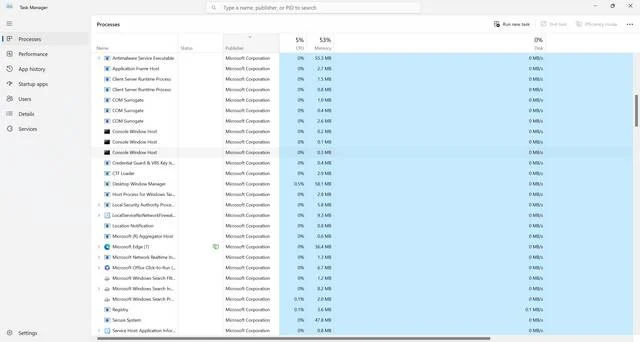
When you open the Task Manager on your Windows computer, you may notice a process called “Service Host: Windows Defender Advanced Threat Protection Service” running in the background. This can raise questions and concerns about the purpose and necessity of this process. In this article, we will explore why this process is running and its significance in protecting your system from advanced threats.
Understanding Windows Defender Advanced Threat Protection
Windows Defender Advanced Threat Protection (ATP) is a comprehensive security solution provided by Microsoft to safeguard Windows devices against advanced and sophisticated threats. It combines various security technologies, including behavioral analysis, machine learning, and cloud-based threat intelligence, to detect and respond to malicious activities.
ATP continuously monitors your system for suspicious behavior, file changes, network connections, and other indicators of compromise. It analyzes this data in real-time and provides actionable insights to help security teams investigate and respond to potential threats.
The Role of the Service Host Process
The “Service Host: Windows Defender Advanced Threat Protection Service” process you see in the Task Manager is responsible for running the ATP service on your system. It acts as a container for multiple Windows services related to ATP, allowing them to run efficiently and independently.
By running as a service host process, ATP can leverage the benefits of process isolation, resource management, and security boundaries. It ensures that the ATP services operate smoothly without interfering with other system processes or compromising system stability.
Why Is It Running in Task Manager?
The presence of the “Service Host: Windows Defender Advanced Threat Protection Service” process in the Task Manager indicates that your system is actively protected by Windows Defender ATP. It signifies that your device is equipped with advanced threat detection and response capabilities.
Windows Defender ATP is designed to provide continuous protection against emerging threats, including zero-day exploits, advanced malware, and targeted attacks. The ATP service running in the background ensures that your system is constantly monitored and protected from these sophisticated threats.
Benefits of Windows Defender ATP
Windows Defender ATP offers several key benefits that make it a valuable security solution for Windows users:
- Advanced Threat Detection: ATP employs machine learning algorithms and behavioral analysis to detect and block advanced threats that traditional antivirus solutions may miss.
- Real-time Response: ATP provides real-time alerts and insights about potential threats, allowing security teams to respond quickly and effectively.
- Centralized Management: ATP integrates with Microsoft Defender Security Center, providing a centralized platform for managing security incidents, investigating threats, and implementing security policies.
- Cloud-based Intelligence: ATP leverages Microsoft’s vast threat intelligence network to stay updated with the latest threat information and provide proactive protection.
Ensuring the Health of Windows Defender ATP
To ensure that Windows Defender ATP functions optimally and provides effective protection, it is essential to keep your system up to date with the latest Windows updates and security patches. Regularly updating your Windows operating system ensures that you have the latest security enhancements and bug fixes.
Additionally, it is crucial to have a reliable antivirus and anti-malware solution installed on your system. While Windows Defender ATP provides robust protection, it is always recommended to have an additional layer of security. Malwarebytes Free is a popular choice for scanning and removing malware from your system.
Conclusion
The “Service Host: Windows Defender Advanced Threat Protection Service” process running in the Task Manager is a vital component of Windows Defender ATP. It signifies that your system is actively protected against advanced threats and benefits from continuous monitoring and real-time response capabilities.
Windows Defender ATP offers advanced threat detection, centralized management, and cloud-based intelligence to provide comprehensive security for Windows devices. By keeping your system up to date and complementing it with a reliable antivirus solution like Malwarebytes Free, you can ensure the health and security of your Windows computer.

Join the discussion
0 commentsShare your experience or ask a question about this article.
Discussion
Start the conversation
Have a question or something useful to share? Add the first comment.