

SixFootOak reviews become important when an attractive pair of shoes turns into a harder question: who made them, and what happens if they are not what you expected?
A discount can make ordering feel easy. Sorting out the purchase afterward may require much more than checking a size chart.
Overview
Authenticity complaints are serious, but they are not our authentication
SixFootOak operates an online footwear store. Published reviews raise questions about authenticity, deliveries, and returns, while the seller disputes some allegations.
We did not purchase or authenticate a pair. This article therefore does not declare every shoe counterfeit or every order fraudulent.
The verified buyer risks involve restrictive return wording, a short cancellation period, and the importance of establishing the exact product and supplier before payment.
The return promise has important exclusions
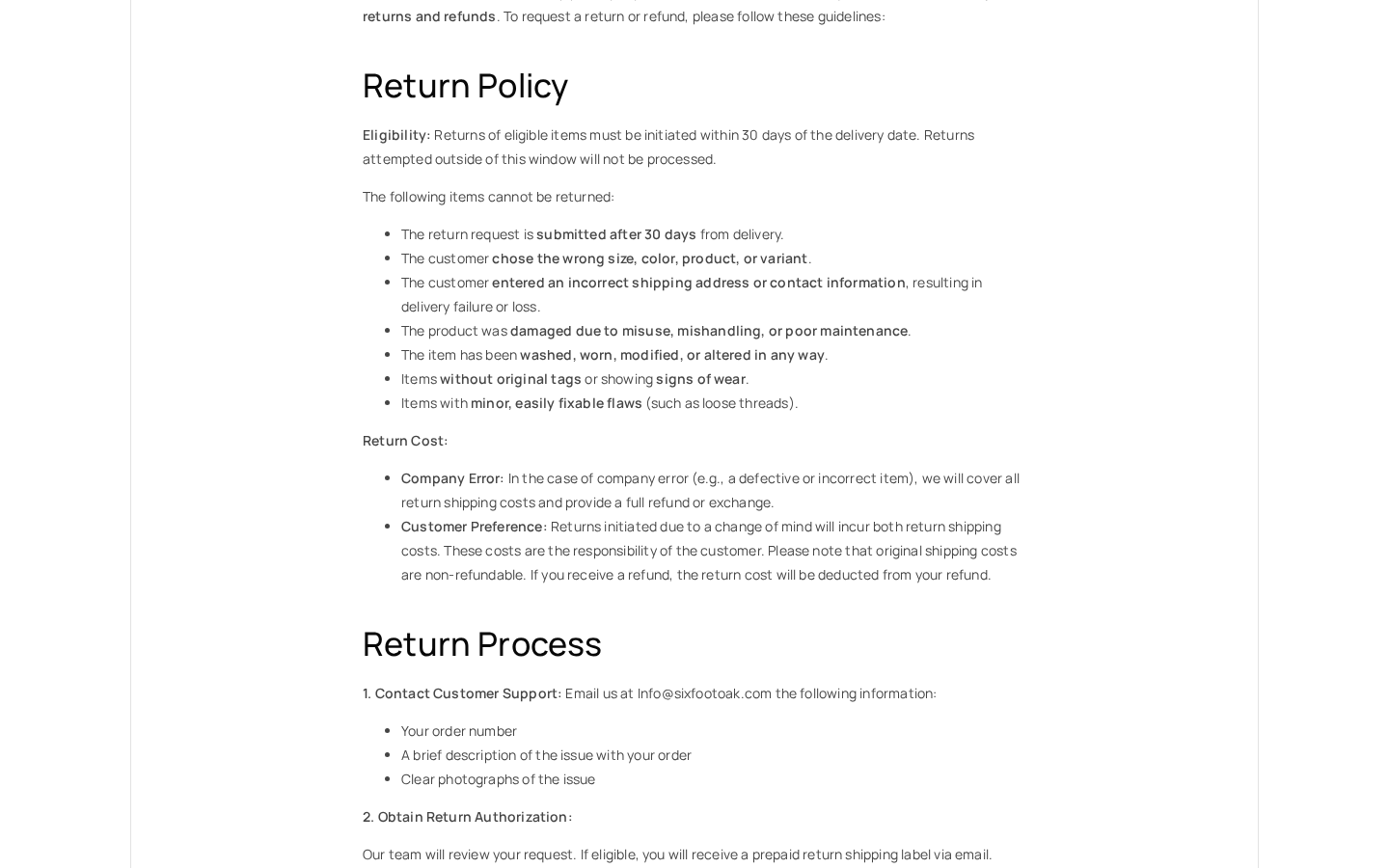
The US return policy describes a 30-day request window but excludes cases where buyers selected the wrong size, color, product, or variant.
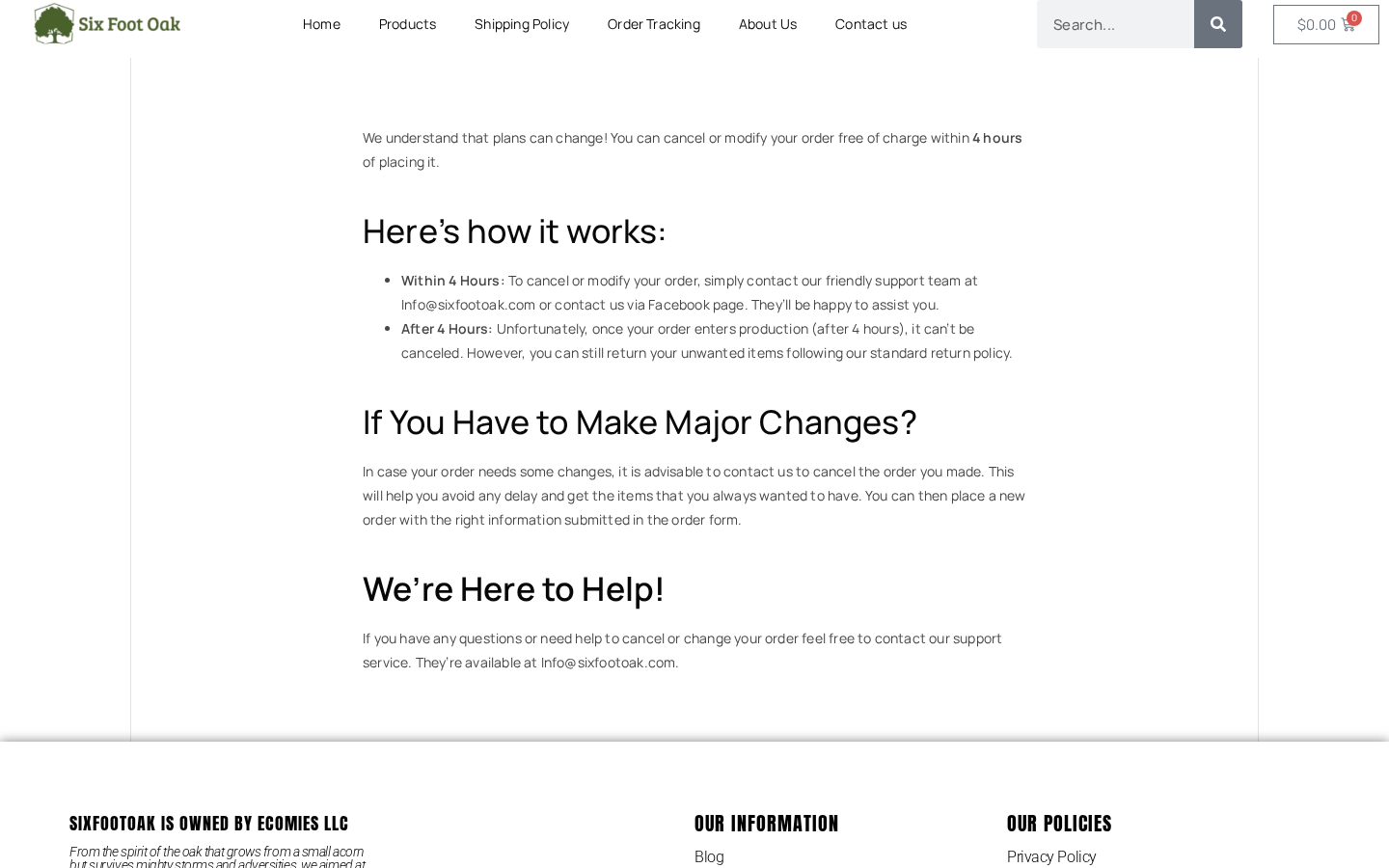
The cancellation page gives a four-hour opportunity to cancel or change an order. A normal-looking refund headline should be read alongside those restrictions.
- Confirm the exact model, variant, and size before paying.
- Ask whether the merchandise is brand-original, another design, or a reproduction.
- Get an explanation of authenticity documentation where relevant.
- Read the cancellation deadline and change-of-mind exclusions.
- Find the authorized return destination and costs, not just a contact address.
The safest decision is to resolve doubt before ordering
Unanswered questions about branded merchandise are a good reason not to proceed. A low price does not compensate for uncertainty about what will arrive.
Customer complaints deserve attention, but a review cannot replace examination of the actual pair. The seller’s reassurance also needs evidence suited to the question.
This investigation records pages and published replies reviewed on October 8, 2026. It assesses purchase risks rather than issuing a legal finding of counterfeiting.
What SixFootOak Reviews Say About Authenticity
Some published reviews allege that footwear was not genuine or that returning it became difficult. Those are customer accounts, not findings we independently authenticated.
The seller replies that its products come from independent suppliers and disputes treating a resale shop’s view as conclusive proof.
Both sides matter when describing the dispute. Omitting the response would make the investigation less accurate, while accepting it without documentation would settle nothing.
If authenticity influenced your purchase, ask for information connecting the exact item to a legitimate supply chain before ordering.
Use a knowledgeable, independent assessment for a disputed pair. Photographs, packing slips, and labels can help, but do not invent a definitive verdict from one visual detail.
Likewise, receiving a physical product does not by itself prove that it matches the advertised brand or description.
For buyers who prioritize assured brand authenticity, purchasing through the brand or an established authorized retailer reduces an important source of uncertainty.
Ask what supports the retailer’s authenticity guarantee and what remedy applies if an independent assessment disputes it. A reassuring label is not a complete answer.
How a SixFootOak Purchase and Dispute Can Unfold
Step 1: The listing creates an expectation about the shoes
Start with the exact product page, not a search result or advertisement. Record the name, selected size, photographs, materials, and any brand representation.
Check whether your expectation comes from what the seller explicitly states or from a familiar-looking design. That distinction becomes important if the description is disputed.
If the item is intended as a gift, verify the recipient’s size before placing the order. The reviewed wrong-size exclusion makes guessing especially risky.
Ask about measurements and exchanges before paying. An answer concerning one style may not apply to a different pair in the catalog.
Step 2: A return headline can make the commitment seem reversible
A product listing may promote returns within a period without displaying every qualifying condition beside the price.
Open the full policy and identify why you might return the item. Preference, fit, a seller error, damage, and an authenticity dispute are different reasons.
The sneaker listing reviewed advertises thirty-day eligibility. That wording should not be treated as overriding every exception in the general policy.
If support gives a broader guarantee, keep the answer with the exact product details. A general statement about customer satisfaction is not the same commitment.
Step 3: The order-change window passes quickly
The cancellation page describes a four-hour limit before the order enters production. We did not independently verify the processing workflow.
Four hours is short enough that a wrong selection should be addressed immediately. Save the time your request was sent, not just the time of a reply.
Ask how orders placed outside published support hours are handled. Do not assume an unanswered email suspends the deadline.
Keep a clear request naming the correction or cancellation. Sending several contradictory messages can make an already time-sensitive inquiry harder to follow.
Step 4: Delivery brings the description into contact with the actual pair
Inspect the delivered shoes before wearing them outside. Compare the size, model, materials, packaging, and included information with your saved order.
Photograph obvious damage or a different item promptly. Keep the outer package if it helps establish what was supplied and how it traveled.
For a concern about authenticity, explain exactly what raised the question. Avoid declaring a counterfeit based only on an unfamiliar dispatch location.
Request the supplier or authenticity information you need. Then seek an appropriate independent assessment rather than relying solely on either party’s confidence.
Step 5: The remedy depends on the evidence and purchase conditions
The policy distinguishes company errors from preference returns and says company-error shipping is covered. Ask the seller to identify which category it applies to your request.
If the problem is that you received the wrong size rather than selected the wrong size, preserve the order confirmation showing the difference.
For a claimed refund, ask for its amount, method, and processing confirmation. A promise that the case is being reviewed is not the same as payment.
If a payment dispute is already open, coordinate with your provider. Do not close it on the strength of an uncompleted refund promise.
The Thirty-Day Window Is Not an Unconditional Trial
The reviewed policy excludes worn or altered merchandise and several buyer-selection errors. It also mentions minor flaws that it considers easily fixable.
Those distinctions should be understood before ordering, especially if you expect to try several sizes and return the ones that do not fit.
The screenshot records the seller’s published criteria. It does not show a return or authentication test performed by MalwareTips.
For a material defect, keep evidence and ask what remedy applies. Do not silently accept a seller’s preference category if the facts describe a different issue.
Applicable consumer protections can vary by location. A store policy is important evidence, but it should not be assumed to settle every legal question.
Company, Address, and Fulfillment Checks
Ecomies LLC is the entity the site names
The policy footer identifies SixFootOak as owned by Ecomies LLC. We have not independently verified its full ownership or every supplier relationship.
Compare that name with the receipt and payment descriptor. If another entity appears, ask the merchant to explain its role.
A mismatch is a question to investigate, not automatic proof that a company is fictitious. Keep the answer before committing to further spending.
The Wyoming contact address is not necessarily a depot
The site publishes 730 N Glenn Rd, Casper, Wyoming 82601. We did not verify the physical function of that location.
Do not describe it as a factory, counterfeit operation, or fake address without supporting evidence. Equally, do not assume it accepts merchandise returns.
Request the authorized receiving address and reference number. Shipping a pair to an administrative contact listing may not complete the return process.
Published support hours matter beside a four-hour deadline
The site lists +1 (205) 579 8886 and weekday support hours. We did not call or perform a support-response test.
The cancellation policy also publishes Info@sixfootoak.com for order changes. Keep the sent request and confirmation rather than assuming an email address guarantees a timely remedy.
That makes the timing question important: how is a cancellation request sent outside those hours assessed under the short policy window?
Ask directly, save the response, and retain the original timestamp of any request. A response on a review platform does not establish the outcome of your order.
Independent suppliers need item-specific documentation
The seller’s published reply refers to independent suppliers. That is not the same thing as proof of an authorized brand distribution relationship.
Ask what documentation supports the particular branded item. We did not establish where every pair was manufactured or inspect the supply chain.
International logistics alone cannot determine authenticity. The question is whether the delivered merchandise matches the representation attached to your purchase.
How to Keep an Authenticity Dispute Clear
Write down the claim you relied on in plain language. For example, was the purchase presented as an original branded model rather than a similar-looking style?
If a retailer uses ambiguous wording, ask it to confirm the representation before payment. Silence is not an authenticity guarantee.
Then connect the evidence to that claim. Save the listing, order variant, packaging, photographs, seller response, and any independent assessment.
If an expert cannot reach a conclusion from photographs, do not turn that uncertainty into a stronger verdict. Ask what further examination is needed.
A written assessment should explain what was inspected and how the conclusion was reached. A casual opinion is different from that record.
Also separate authentication from condition. A genuine pair can arrive damaged, and an apparently well-made item may still differ from the promised product.
Present the actual issue to your payment provider. It can then explain the procedure and documentation relevant to that kind of dispute.
What to Do If You Ordered from SixFootOak
- Preserve the transaction before the page changes.
Save the exact listing, variant, size, return conditions, total, and confirmation. Record the purchase time if cancellation may still be possible.
A clean record connects the advertised item to your payment. It is more useful than an unrelated screenshot from another customer’s purchase.
- Request a change or cancellation promptly.
Name the order and the specific correction. Keep a copy of the request and ask whether it arrived within the stated four-hour window.
Do not assume that buying a replacement elsewhere automatically cancels the original transaction. Obtain confirmation for the first order.
- Inspect an arrival without losing useful evidence.
Compare the supplied pair with the receipt and photograph damage, incorrect sizing, or other discrepancies. Retain tags and packaging while the issue is unresolved.
Avoid wearing unwanted shoes outdoors before clarifying return eligibility. That can complicate a dispute about their original condition.
- Obtain appropriate evidence for an authenticity concern.
Ask the seller for sourcing information and seek a knowledgeable independent assessment where warranted. Keep the conclusions and their basis in writing.
Do not exaggerate uncertain findings. Explain whether the item was authenticated, rejected, or could not be conclusively assessed.
- Ask for the correct return category and costs.
Distinguish a wrong item supplied by the business from a size you selected incorrectly. Request authorization, a full address, and the expected refund.
If support proposes an exchange instead, confirm whether it resolves your concern and whether additional payments are required.
- Retain dispatch, delivery, and reimbursement records.
Keep tracking until the seller acknowledges the return and money reaches your payment method. Record the dates separately.
If a refund is promised but not completed, request processing confirmation. A completed repayment is stronger evidence than another apology or queue update.
- Escalate through the payment provider when needed.
Ask about dispute deadlines and the documentation required for non-delivery, an incorrect description, or an unfulfilled agreed refund.
Keep any open dispute in place unless the provider advises otherwise. Do not abandon protection merely because someone promises a future resolution.
Frequently Asked Questions
Did this investigation prove SixFootOak sells counterfeit shoes?
No. Published customers make allegations and the seller disputes them. We did not authenticate a pair, so we do not present those allegations as a proven universal finding.
Can I return shoes because I chose the wrong size?
The reviewed US policy lists buyer selection of the wrong size among its exclusions. Confirm any exchange arrangement before ordering rather than assuming unconditional fit returns.
How much time is available to cancel?
The cancellation page states four hours. Send a request quickly, retain its timestamp, and ask how requests outside support hours are handled.
Does a US address prove where the shoes are made?
No. A published contact address can have an administrative role. We did not establish the manufacturing location or authorize returns to the listed Wyoming address.
Will opening a payment dispute prevent every remedy?
Do not assume a universal outcome. Ask your provider how a merchant refund and an open dispute interact, and keep it informed about any actual repayment.
What is the clearest reason to postpone buying?
If authenticity, the correct size, or the refund conditions remain unresolved, do not let a discount decide for you. Clarification should come before payment.
The Bottom Line
SixFootOak reviews raise real buying questions without replacing independent authentication. Its cancellation limit and return exclusions make pre-purchase checks especially important.
Buy only when the exact merchandise, supplier evidence, and remedy conditions are clear. If they are not, choose a purchasing route that gives you greater certainty.








