

Have you ever come across the file named “stdof12.rra” on your computer and wondered what it is and whether you should remove it? In this article, we will delve into the details of stdof12.rra, its potential implications, and whether it is considered malware or not. By the end, you will have a clear understanding of what this file is and whether it poses any risks to your system.
What is stdof12.rra?
Stdof12.rra is a file that is commonly found in the Windows operating system. It is associated with the Windows Task Manager, a built-in utility that allows users to monitor and manage running processes, performance, and other system information. The stdof12.rra file is specifically related to the Task Manager’s functionality.
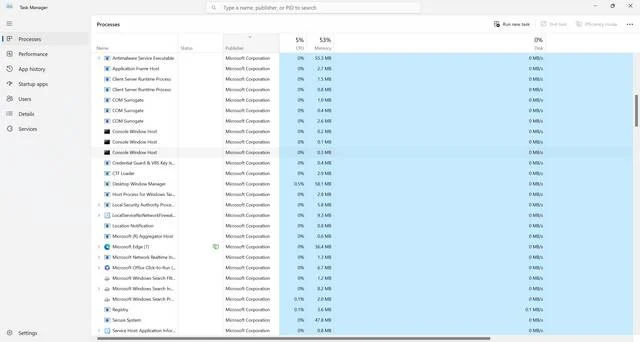
When you open the Task Manager and navigate to the “Processes” tab, you may notice the stdof12.rra file listed as one of the running processes. It is a legitimate system file and is not inherently harmful to your computer.
Should I Remove stdof12.rra?
As mentioned earlier, stdof12.rra is a legitimate system file and removing it is not recommended. It is an essential component of the Windows Task Manager and plays a role in its proper functioning. Removing or tampering with this file can lead to issues with the Task Manager and potentially disrupt the normal operation of your system.
If you suspect that stdof12.rra is causing any problems on your computer, it is advisable to troubleshoot the underlying issue rather than removing the file itself. There are several steps you can take to address any potential problems:
- Restart your computer: Sometimes, a simple restart can resolve temporary issues with the Task Manager or other system processes.
- Update your operating system: Keeping your Windows operating system up to date ensures that you have the latest bug fixes and security patches, which can help resolve any known issues.
- Scan for malware: Malware infections can sometimes interfere with system processes, including the Task Manager. Running a thorough scan with a reliable antivirus software, such as Malwarebytes Free, can help detect and remove any malicious software.
- Check for conflicting software: Certain third-party software or utilities may conflict with the Task Manager’s operation. Try disabling or uninstalling any recently installed software to see if it resolves the issue.
By following these steps, you can address any potential issues related to stdof12.rra without the need to remove the file itself.
Is stdof12.rra Malware?
No, stdof12.rra is not considered malware. It is a legitimate system file that is part of the Windows operating system. However, it is important to note that malware can sometimes disguise itself as legitimate files to avoid detection. Therefore, if you have any concerns about the legitimacy of stdof12.rra or suspect that it may be malware, it is crucial to perform a thorough scan with reliable antivirus software.
Antivirus software, such as Malwarebytes Free, can detect and remove any malicious files or programs that may be present on your system. Regularly scanning your computer for malware is a good practice to ensure the security and integrity of your system.
Summary
In conclusion, stdof12.rra is a legitimate system file associated with the Windows Task Manager. It is not recommended to remove this file, as it plays a crucial role in the proper functioning of the Task Manager. If you encounter any issues related to stdof12.rra, it is advisable to troubleshoot the underlying problem rather than removing the file itself.
Remember to restart your computer, update your operating system, and scan for malware using reliable antivirus software like Malwarebytes Free. By following these steps, you can ensure the smooth operation of your system and maintain its security.

Join the discussion
0 commentsShare your experience or ask a question about this article.
Discussion
Start the conversation
Have a question or something useful to share? Add the first comment.