


You click a button to see a library of audiobooks. Instead of a catalog or a sample chapter, you get a registration form with a price.
That change of destination is worth noticing. With Storypls, the books, the payment and the right to keep listening are three separate things.
Overview
The advertised book browser leads to paid enrollment
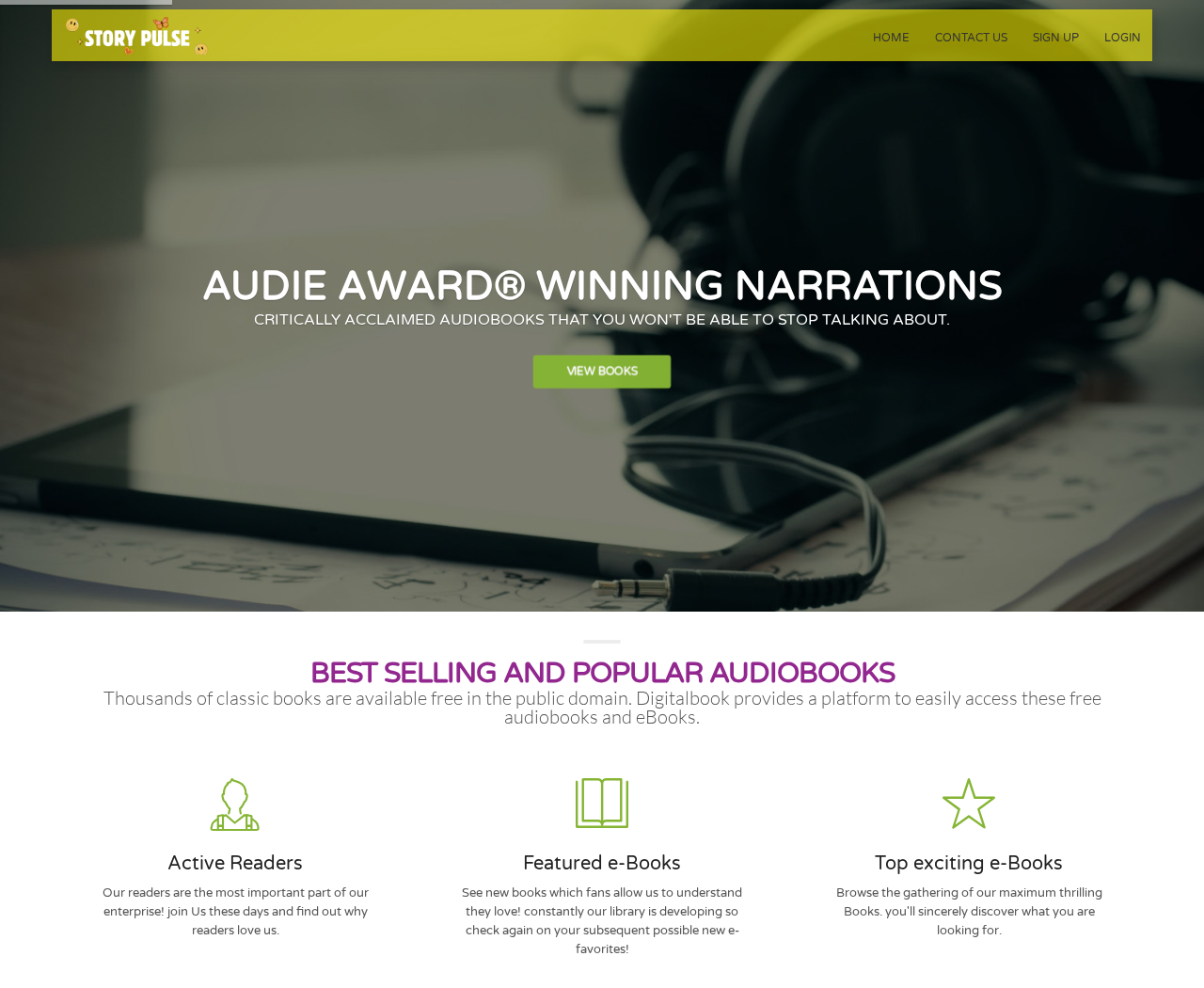
Storypls shows book covers and promises award-winning narration. The buttons to see the books led to signup, not to a searchable catalog with narrator names or playable excerpts.
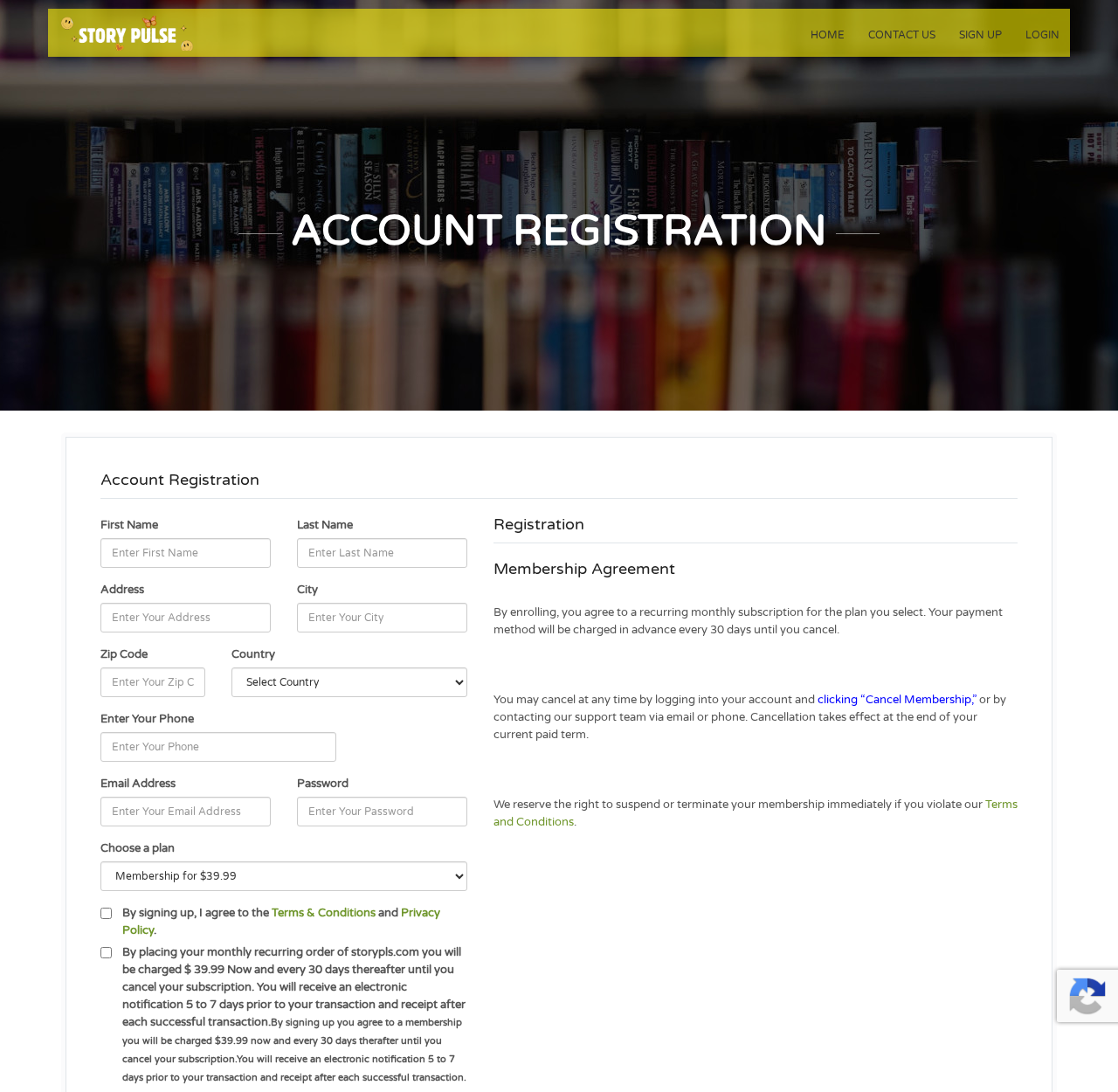
The signup form lists $39.99 immediately, then $39.99 every 30 days until canceled. That charge is visible on this route. It is not a pay-once purchase.
The question isn’t whether a service can charge to stream a book. It’s whether readers can see what this particular service adds before committing to repeat billing.
The homepage names another service while describing free classics
Storypls refers to Digitalbook when it explains that classic books are free in the public domain. That is a different name from the site asking for your card.
One featured title is Great Expectations. You can already read it through Project Gutenberg or listen to a named reader through LibriVox, without a Storypls subscription.
A paid recording can differ from a free version. The problem is that the public page made it hard to tell which recording a member gets.
A charge, a cancellation and a refund are separate events
The form says cancellation goes into effect at the end of the paid term. That can prevent another payment without returning the money for the current term.
Some public reviewers describe charges they did not expect. Their accounts are not a test of this signup form or proof that every customer enrolled without consent.
- On the public registration route: $39.99 at signup and again every 30 days.
- The library buttons led to enrollment. A cover is not a sample of the recording.
- Look for storypls.com on the statement if you’re trying to identify the merchant.
- Keep confirmation of any cancellation and ask separately about an existing charge.
What Happens When You Sign Up for Storypls?
Step 1: The marketing presents books before the price decision
It’s reasonable to expect a book button to show a title, edition or list of chapters. Here the link took a visitor straight to paid enrollment.
The public page shows familiar books, including The Secret Garden and Great Expectations. A known cover isn’t enough to identify the narration a service will supply.
There’s value in seeing an actual chapter list. An abridgment, a full reading and an adaptation might use the same title but offer three different listening experiences.
Step 2: The signup page describes recurring billing
The offer inspected was labeled Membership. The payment language specifies a charge now and again every 30 days. It also says the statement will name storypls.com.
Thirty days is not necessarily the same date every calendar month. If you already enrolled, use the next billing date in your account or receipt.
The signup text says an electronic notice is sent five to seven days before the transaction. That is what it says, not confirmation that a notice arrived.
The form loaded with the terms and the recurring-order boxes both unchecked. That is what the direct registration page showed, not proof of what a different advertisement displayed.
No payment was made for this investigation. The form does not tell us how a charge reached a particular reviewer or what enrollment that person saw.
Step 3: Access depends on the paid term, not ownership of the book
The terms describe a limited license to access content. They restrict downloading or storing material instead of selling a file you can keep when billing ends.
When you see an old title in the public domain, separate two questions. Is the underlying text free? Is this particular narration or streaming experience worth paying for?
The age of the novel doesn’t make every newer recording free. Conversely, the existence of an award-winning version doesn’t mean it’s the one included with this membership.
Step 4: Canceling does not settle a refund request
Signup instructions describe cancellation from the account or through support. A public cancellation page also exists. We did not submit it or test whether a request was processed.
Record what you asked the merchant to do. Stopping the next renewal and reversing today’s transaction are two different requests, even if you ask for both.
What Can You Listen to Without Paying Storypls?
For the text, Project Gutenberg publishes Charles Dickens’s Great Expectations. It identifies the title, author and formats before asking a reader to choose a file.
For audio, LibriVox lists a full recording read by Mark F. Smith. The page shows the reader and chapter lengths, so you know which version you’re choosing.
LibriVox says its recordings are public domain in the US and tells readers elsewhere to check local copyright rules. This isn’t a claim that every recording is free worldwide.
Those sources aren’t necessarily offering the same files as Storypls. They simply answer an important question: do you need this membership to get this classic book at all?
If a particular performance matters, use the author, narrator and publisher together when comparing options. A single title can appear in more than one edition.
The Audio Publishers Association’s results identify specific award winners and finalists. Compare that record with the exact recording being offered, not an award reference around a library.
Storypls’s public homepage did not identify the recordings behind its award claim in a way that lets you make that comparison before payment.
Who Bills You and Who Can Stop the Charge?
The terms name USACommerceGate Inc
The membership terms name USACommerceGate Inc. They use broad language about digital content, streaming video, shows and movies even though the homepage pitches audiobooks.
The logo reads Story Pulse, the statement line says storypls.com, and the company name appears in the legal text. Record whichever names you saw during enrollment.
For a billing problem, the important identifier is the one on your bank statement or receipt. Keep both if the name there differs from the merchant’s terms.
The Digitalbook name on the sales page does not make Digitalbook the merchant. Send a cancellation to the biller you can identify from your own records.
A contact address isn’t a catalog or a support test
The site lists a Las Vegas contact address with an apartment designation. That is a contact claim, not proof of an audiobook production studio or staff location.
We didn’t call or email to test whether support answers. A support channel can exist on a website without showing what response an individual customer received.
Use the listed route only once you match it to your subscription, not as a test that requires supplying your full payment details.
The statement descriptor matters when you can’t find an account
The current form says to expect storypls.com on the statement. If that appears and you don’t remember enrolling, look for a receipt and ask your issuer.
Search your email for the exact charge amount and date. Check any email accounts you actually use. Don’t start a second membership to see if one already exists.
If a family member says they accepted a different offer, save the page or confirmation they saw. The live direct form can’t explain a separate ad.
The refund text gives processing times, not an automatic reversal
The published terms mention seven business days to process refunds, return to the original payment method within 14 days, and another timing statement referencing 30 days.
That language does not make every payment eligible. Request a clear written answer identifying the amount, the approved date and where the refund should appear.
Ask your card issuer about its own deadline right away if you contest a charge. The company’s estimate of refund processing is not your issuer’s dispute deadline.
Why a Small Charge Deserves Its Own Check
Storypls’s direct signup price is $39.99. Its terms separately describe how the company may respond if an attempted renewal does not go through.
The company says it may try a discounted membership rate. If that attempt fails as well, the terms say it may apply an administrative fee of up to $3.
That is conditional wording. It does not change the posted signup price and it does not establish that a particular smaller payment was an administrative fee.
A customer reporting an unexpected $2 line item may have seen a different path. Don’t assign that charge a purpose based on its size alone.
Ask the issuer whether the small entry is pending or posted. Ask the merchant, in writing, what the entry was for and which membership it belongs to.
If the company records it as an administrative charge, request the date of the unsuccessful renewal and the discounted payment attempt. Keep the answers attached to that statement.
Don’t deliberately make the next charge fail to cancel. Declining a card payment and giving notice that you want to end the subscription are different events.
How to Preserve a Useful Cancellation Record
Write down which account you used and which payment you want stopped. If you sign in, capture the membership status before changing it and after you receive confirmation.
A screen that says access ends later isn’t necessarily a sign that cancellation failed. It can describe the remaining time you’ve already paid to use.
What you want confirmed is the date of cancellation, whether the plan is set to renew, and whether any new billing attempt has already been scheduled.
If you send a written request instead, include the account email and a relevant receipt reference. Don’t send a full card number, security code or bank login.
Where an original enrollment offered a trial or discount, attach the evidence for that offer. Don’t use today’s checkout price to stand in for what you accepted.
A receipt for any refunded charge should identify which payment was reversed. A credit for one amount does not show that separate or future payments were addressed.
If you need to explain the matter to your bank, a short sequence usually helps: original offer, first charge, notice of cancellation, later charge and seller response.
Keep that record even if you can still use the account. Being able to open a paid-term page today isn’t the same as consent to a new term.
What to Do If Storypls Charged Your Card
- Identify the transaction from your own statement. Save its exact merchant label, charged amount and date. Do not post a full statement while asking for help.
- Find the enrollment receipt or terms you received, if any. If you never agreed to the subscription, say that plainly when you call your card issuer.
- To stop a membership you opened, use the verified account or published cancellation route. Save a timestamped copy and ask for written confirmation of no further billing.
- If you want money back, name the specific charge and why you contest it. A cancellation confirmation does not show that a refund was approved.
- If billing continues or you didn’t authorize it, contact your bank promptly. Tell it which charges are new, which follow cancellation and what evidence you kept.
- Check your next statement and any refund confirmation. Keep the dispute reference from the issuer so you don’t have to reconstruct the history again.
The FTC’s subscription guidance recommends retaining cancellation records, watching for later charges and disputing billing when it continues after cancellation or wasn’t authorized.
If someone contacts you out of the blue to cancel a service you never used, don’t give them a card number to look it up.
Start from the bank’s own app or phone number on the card. A cancellation email, search result or callback is not an independent way to verify a charge.
Frequently Asked Questions
How often does the Storypls membership charge?
The public form shows $39.99 at signup and $39.99 every 30 days until canceled. Check the records for your actual payment if you enrolled another way.
Is this a free audiobook trial?
The signup route reviewed shows an immediate membership price. The homepage’s reference to free public-domain books does not make that paid subscription a free trial.
What name is supposed to appear on the card statement?
The current form identifies storypls.com. The terms separately name USACommerceGate Inc. Your issuer can help identify the actual merchant if the label is unfamiliar.
Will canceling refund what I already paid?
Not necessarily. The form says access continues through the paid term after cancellation takes effect. Request an answer for the past charge separately from stopping renewals.
Can I listen to Great Expectations without Storypls?
Yes. LibriVox provides a named recording. It identifies the recording as public domain in the US and advises listeners elsewhere to check local copyright status.
Is a $39.99 Storypls charge proof that every enrollment was unauthorized?
No. Review your own receipt and consent. The direct form discloses billing, but it cannot explain how any particular customer’s payment was initiated.
The Bottom Line
Skip Storypls if you only want classic audiobooks. The public page gives no sample from the advertised library before it asks you to accept repeat billing.
Already charged? Save the statement and enrollment record. Cancel any membership you opened, and tell your issuer promptly if the payment wasn’t authorized or continued after cancellation.

Join the discussion
0 commentsShare your experience or ask a question about this article.
Discussion
Start the conversation
Have a question or something useful to share? Add the first comment.