


A Telegram contact offers a trading bot that supposedly does the hard part for you. Soon a large balance appears.
The way to withdraw it sounds different every time you ask.
Overview
The supposed $50,000 profit could never be collected
A partner said a conversation on Telegram led to a trading bot that promised unusually high returns. The bot displayed or claimed roughly $50,000 in profit, they said.
When the customer tried to withdraw, they were told to pay fees. The partner said the customer paid with gift cards, but the withdrawal still did not arrive.
A later request called for a fee in Solana. The update said the payments stopped. The report gives no verified trading activity or successful payout.
The gift card payments and crypto requests are the records to recover and report.
The displayed balance cannot tell you how much money actually went into or out of your accounts.
The fees were separate payments to unlock a supposed balance
A legitimate financial service may charge fees under disclosed terms. A private contact demanding gift cards or new crypto to release profits is asking you to send more money.
Check what you can verify independently:
- The account that introduced the bot and the first promise that brought you there.
- A payment record from your own bank, card provider, or exchange.
- Any written fee terms from the regulated provider that claims to handle the account.
- The status of each gift card or transfer you actually sent.
- A completed withdrawal into an account you control, if you claim you received one.
Do not rely on a private group to define those records. The provider that handled the transaction can tell you what left your account.
AI language cannot verify a single trade
The Investor.gov alert on AI and investment fraud explains that fraudsters can use AI claims to sell investment schemes.
A screenshot of returns or a promise of automation cannot establish the results.
The CFTC’s investment scam guidance also discusses online relationships and bogus investment offers. The guide is useful background for requests that arrive through private messaging.
No public evidence in this case establishes whether a bot was doing actual trading. The reported payment demands and lack of withdrawal are what matter to the victim.
How the Scam Works
Step 1: A contact uses AI to explain outsized returns
The promise is simple: software will handle decisions you might not want to make yourself. Start by asking which company controls your funds and who oversees its activities.
Verify the named firm through official records. Check that its genuine site, contact, and registration match the product you are actually being offered.
If the contact keeps everything in Telegram, check the offer away from the chat. A private group cannot independently authenticate its own operator.
Ask for terms before you transfer money. If you cannot get a clear answer about risk or who handles the funds, stop.
Step 2: The account shows a large gain
The amount in this account was reportedly about $50,000. A high number can make a relatively smaller withdrawal fee feel worth paying.
Compare the supposed return with records outside the bot. Ask whether a regulated institution you can reach directly holds the assets or recorded any trades.
If the bot is the only source of the balance, save it as a claim. Look at your own receipts to find what you sent.
Do not try a new payment just to verify the dashboard. The question is whether an independent provider can confirm your order or transfer.
Step 3: The withdrawal comes with a gift card demand
The customer reportedly bought gift cards after being told the payment would help release the funds. The partner said the contact claimed to contribute to one fee.
A private claim that somebody else paid part of it does not change what your card issuer sees. Record exactly what you bought and which codes you disclosed.
Stop if asked to pay a fee using a gift card. Contact the issuer as soon as possible if you shared a code. Keep the receipt and time of disclosure.
A genuine provider should be able to explain its documented fee process through an independently verified channel. It should never depend on you reading a retailer’s gift card code.
Step 4: A new payment method is introduced when the withdrawal still fails
The report says a later demand requested Solana. It was described as another route to the same promised payout.
Ask what actually changed in your own accounts. A screenshot can show “processing” without a withdrawal to your bank or wallet. Use the provider’s own records to check.
If a transfer was already sent, give the exchange the reference and time. Never send more crypto to test whether a claimed address belongs to a legitimate service.
Leave the group after saving what you need. Keep any later contact about a refund separate from the original verified provider’s messages.
What to Check if You Paid Through More Than One Service
Start with a list of each card you bought, who issued it, and what happened to its code. A purchase and a redemption can have different records.
If somebody emailed a new payment request, keep it alongside any genuine receipts. Note the date and the amount it asked for. That is different from money you actually sent.
For crypto, record the asset, amount, provider, and transaction reference. If you only bought crypto and never sent it, check where the balance is held.
If you moved crypto out, ask the provider how it handles a fraud report. Keep its case number and do not give your recovery phrase to anybody.
Keep the claimed trading gains separate from the amount you paid. The provider or investigator needs to know the actual loss, not just what the bot promised.
What to tell a relative who still believes the balance is real
Ask them to show a completed withdrawal in an account they control. Avoid asking them to make another payment or retry the bot to prove the point.
Help them list what actually left their accounts, with their permission. Start with receipts and credit card or exchange records, then save the demands from the chat.
If they are reluctant to report it, suggest one concrete call to a verified issuer or bank while a transaction may still be reviewable. Give them space to make decisions.
It can help to give the bank or issuer the last amount first. Then work together to recover earlier records without deleting the conversation.
What a regulator’s database can tell you
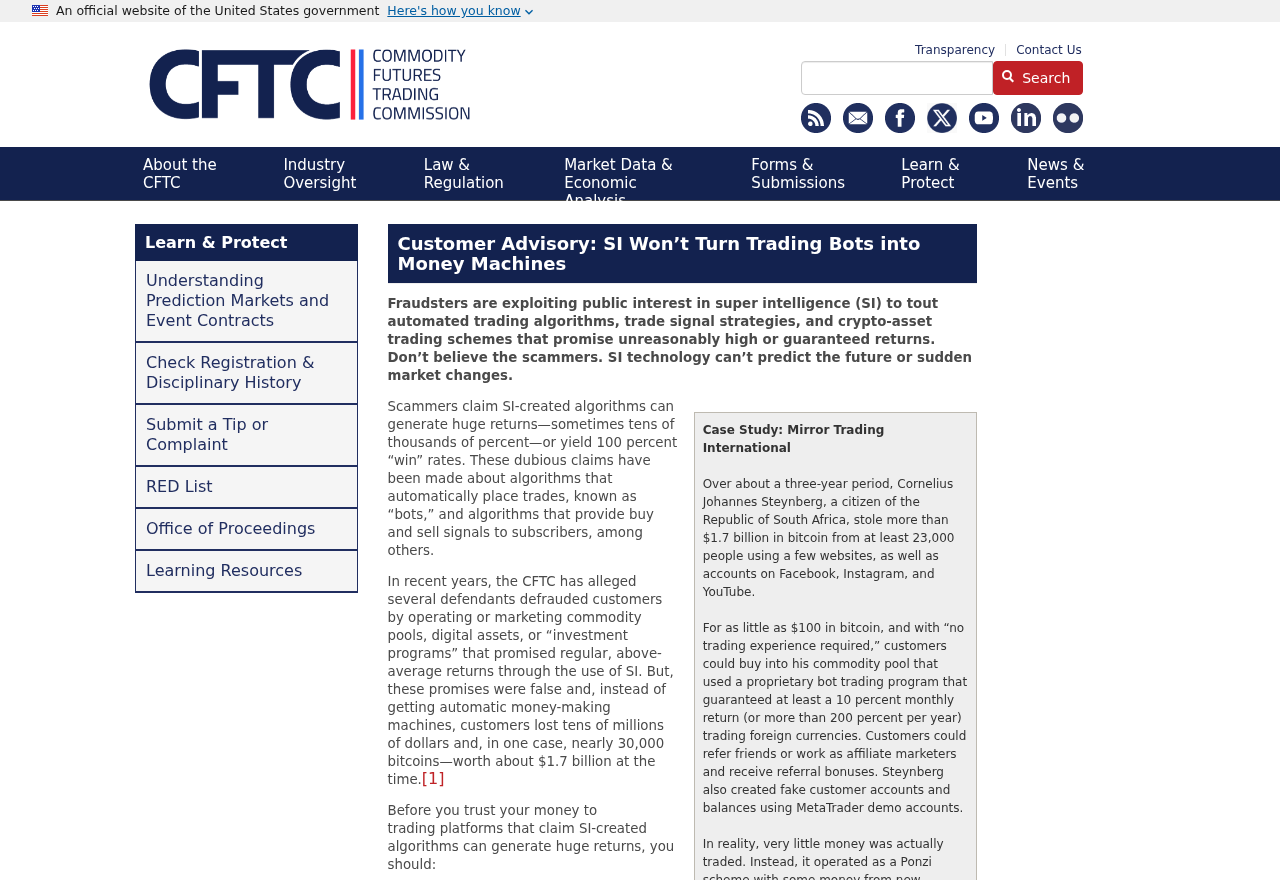
The CFTC’s trading bot advisory warns about claims of unusually high returns and discusses a separate case involving fictitious balances. Its case study is independent of this Telegram account.
If a contact gives you a company name, look for that name through the relevant financial regulator. Then compare its listed website and contact details with where the offer began.
A name match can still leave a gap. Contact the firm independently and ask whether it operates that particular product or account and how customer funds are held.
A regulator’s listing has a specific purpose. It may tell you something about who is registered to perform a service. It cannot establish your trading balance or guarantee returns.
If someone only sends a company certificate or a screenshot of a database entry, use the regulator’s own search. A genuine company can have its name borrowed.
When a family member paid in installments
Build the timeline from card receipts and bank activity. If the amounts arrived piecemeal, list each date and card issuer so the first fraud report covers recent and older payments.
Ask the gift card issuer what it can tell you about redemption, and whether any remaining value can be protected. Share the card details only through its verified support route.
If someone bought a card but kept the code private, ask the issuer how to confirm the balance safely. Avoid public balance checker links or anybody offering private recovery help.
Keep the promise of a $50,000 withdrawal in the timeline as context. For the loss total, use confirmed debits or receipts and identify which demands were never paid.
If you later receive a genuine credit or issuer refund, store the confirmation with the original purchase. That allows you to update your report with the lower confirmed loss.
The difference between a quote and a receipt
A message promising a payout is a request to trust the sender. A receipt from your own card issuer or exchange can document a real charge against your account.
Ask a financial provider which entries are available to download. A debit from a bank may show who processed the payment and leave the ultimate recipient unclear.
Attach the bot’s balance to your notes as a screenshot with its capture date. An investigator may use it to understand the pitch even without assigning it financial value.
If you searched the firm name and found a warning, save the regulator’s page and compare the names carefully. Similar names and brand variations can lead to the wrong firm.
If the contact since changed its display name, preserve the message history you already have. Let the platform match the account information it holds.
What to Do if You Have Fallen Victim to This Scam
Stop paying fees and contact the providers that handled the money.
Start with any gift card codes that may not yet have been redeemed or transactions that might still be pending.
-
End the payment conversation. Do not buy another gift card, send more crypto, or follow private recovery instructions.
-
Contact the gift card issuer. Give it the purchase record and explain when the code was shared. Ask whether redemption can be stopped or reviewed.
-
Report crypto transfers to your provider. Use the verified exchange or service. Provide the asset, amount, date, and reference.
-
Save the evidence. Keep the initial offer, screenshots of the balance, each fee request, and payment receipts. Do not post unredeemed codes publicly.
-
Report online fraud. In the US, use the FBI’s IC3 site or the appropriate regulator. Give it the sequence and the actual payment amounts.
-
Secure any exposed accounts. Change disclosed passwords and review sign-ins. Follow your provider’s instructions if wallet credentials or verification codes were exposed.
The FTC’s gift card guidance explains what to preserve for the issuer. Keep each card and purchase receipt until the provider tells you what it needs.
If a caller promises to release everything for a final fee, use your existing provider case. Keep the message to show investigators without paying anything further.
Ask whether a known account can be protected if you shared an email address, payment detail, or login. Describe the exact information instead of assuming it was all exposed.
Frequently Asked Questions
Does a $50,000 balance mean I earned $50,000?
A displayed figure tells you what the site or bot claims. Check whether a provider you can verify has records of transactions and holdings you control.
If the balance exists only in the bot, preserve it as part of the offer. Use your own receipts to calculate what you actually paid.
Why would a trading bot ask for gift cards?
That request asks you to move value outside a verified investment account. Stop and ask the genuine provider whether it has any record of the account or fee.
If you shared a gift card code, contact its issuer immediately. Provide the purchase and code disclosure times.
What if the person says they paid half the fee?
Ask your own payment provider what it can verify. A message from the same contact is a claim about somebody else’s payment, separate from your own confirmed transaction.
Do not send the remaining amount. Save the message so you can explain why the fee looked shared.
Would using Solana change whether the withdrawal is real?
Changing the way you pay does not independently establish a withdrawal. Check your exchange and verify where any actual transfer went before trusting a claim about funds being released.
Your report can include every payment method the contact asked for. List completed transfers separately from requests you declined.
Can the regulator confirm whether I earned anything?
A regulator can accept reports and provide registration information. It is the actual provider that can confirm account activity and trades through genuine records.
If you cannot verify that your provider exists or holds your money, stop sending funds and save what you already have.
Should I test the bot again with a smaller amount?
No. You already have the earlier demands to report. A smaller payment can create another loss without verifying the original offer.
If somebody says the new payment is safer, preserve that message separately and continue working with the providers that handled the money.
The Bottom Line
When an AI trading bot asks for gift cards or a new crypto payment to release a displayed balance, stop. Check your own bank and exchange records.
If you paid, contact the issuers and providers while you still have the receipts. Report the money that actually moved.

Join the discussion
0 commentsShare your experience or ask a question about this article.
Discussion
Start the conversation
Have a question or something useful to share? Add the first comment.