


A letter or bank entry mentions a Cash App account you don’t recognize. It describes the account as yours, but the name is the only thing that feels familiar.
There are several explanations for an unexpected notice. Start by finding out whether the account exists before somebody else tells you how to fix it.
Overview
An account with your information isn’t necessarily an account you opened
You don’t need to be a regular Cash App user to discover that someone may have used your identity on the platform. Reporting that differs from recovering a stolen login.
A person who lost access to their own account may know its original email address, phone number, and past transactions. You may have none of those details.
That’s why the first sentence to support matters. Say you’re reporting suspected identity misuse involving an account you did not open, rather than saying you need to reset a password.
If you already have a Cash App account, specify whether you recognize the account at issue. Knowing the difference helps the company decide what it needs to investigate.
Why the issue matters even if your balance looks normal
In October 2026, reporting described criminal charges tied to a Cash App account a Pennsylvania woman says she never opened. Her account of what happened is not a court finding.
A separate Oregon Department of Justice complaint describes historical reporting problems when consumers could not access accounts created in their names. These are the state’s allegations.
You don’t have to settle either dispute to act on a notice about your identity. A normal bank balance doesn’t tell you who opened another account.
A fraudster might not have touched the checking account you use every day. The first thing you see could be an inquiry or a notice from somebody else.
Not every message means an account was opened
A convincing text can be invented. A stranger asking you to confirm an account number or click a link has not provided independent evidence that your identity was used.
Sort the notice into one of these categories before sharing anything:
- A text or email sent by a stranger, with no independent confirmation.
- An entry you can see when you open your own bank or card account.
- A notice that your bank or the payment provider verifies through a channel you found yourself.
- A genuine document from an agency or court, confirmed through its own contact information.
The responses are different. You might need to report an impersonating message, dispute a payment, correct a record, or get legal help for a formal notice.
Find Out Which Account the Notice Is About
First establish whether the message is genuine
A notice may have a real company name and a current logo. Those details don’t confirm that the phone number or web address inside it belongs to the company.
Stay out of the original link. Open Cash App’s official security page for current support information. It lists a phone option as well as in-app support.
If you don’t use the app, explain that you cannot access the account you’re reporting. Don’t pay to create or unlock an account just to submit a fraud report.
Look for the same distinction at your bank. Call its number from your card or open the banking app independently. Ask whether it actually sent the notice.
Check the financial record, not just the name on screen
A line item on a statement can tell you a payment needs investigating. It may not reveal the person behind the transfer or whether a separate account uses your identity.
Ask the bank to describe what kind of transaction appears on its side, what account was affected, and how to report an unauthorized payment if you didn’t make it.
If you have a receipt from a payment you recognize, compare the amount and date before assuming the entry is new. Preserve both records if they don’t line up.
If someone says you received money by mistake, don’t send a separate payment to resolve it. Ask your bank or the payment service what happened in its own records.
Distinguish impersonation from an account takeover
An account takeover starts with an account you actually created. Signs might include changes to its details, unfamiliar transfers, or loss of access to a login that previously worked.
Suspected account creation in your name is a different problem. You might be asked for a code sent to a phone you never controlled.
Don’t try to take control of an unfamiliar account by guessing its password or entering information into someone else’s recovery process. Report the suspected misuse of your identity instead.
The two cases can overlap. If you also lost access to a real account, open a separate record for that and note which details belong to each issue.
Make a Report That Doesn’t Depend on Logging In
Describe the evidence in plain language
Before you call, write down what you can say for sure. For example, you did not create the account named in the notice, and here’s when you learned about it.
If the notice came from a bank, say which bank sent it and how you verified it. If it came from a text, tell support that you haven’t authenticated it.
Avoid trying to guess how your personal information might have become available. Report facts first. Information bought, leaked, or reused elsewhere can look the same from a reader’s side.
Record the date, the support channel you used, and the case number. Keep any requests for evidence alongside the documents you’ve already sent.
Choose a safe way to provide documents
A legitimate investigation may require identification. Ask where to submit it and whether you can reach that method directly from the platform’s official support channel.
Don’t post a Social Security number, full card number, or photo of your ID in a public reply to get attention. A screenshot can show what happened without showing everything.
Make a private copy before redacting anything. Use the redacted version when the recipient doesn’t need the full document. Keep the original somewhere you control.
If anyone asks for a sign-in code, payment, or remote access, stop. Return to the provider’s published contact page.
Ask the company to keep the right records
Ask for the suspected account to be investigated and for relevant records to be preserved. You can do that even if support can’t disclose another account’s private information.
Keep the request practical. You want to know how to submit evidence, who will review it, and how you’ll get the next update.
If you’re given a password reset or a new signup link, repeat that you never opened the account. Ask for a reference number you can use to follow up.
If an account you did create is also affected, keep its normal security recovery separate. A new password won’t remove an account that belongs to someone else.
Check for Other Uses of the Same Identity
Separate bank protection from identity protection
Your bank can help with entries on its own statements. It can’t necessarily shut down an account on a different platform or see every place your information was entered.
For a debit or bank transfer you didn’t authorize, act promptly. Ask what the bank needs, which funds are affected, and which deadlines apply to your report.
Replacing a card doesn’t address the misuse of your name or other identifiers. If both happened, report the suspicious account as well as the payment.
Likewise, a credit freeze helps restrict access to your credit file. It doesn’t automatically close an existing account or block every kind of payment account from being opened.
Keep records even if your credit reports look clean
Review your credit reports for unfamiliar accounts and inquiries using the FTC’s guide to free credit reports. If something is wrong, note the bureau and the company that reported it.
Don’t dismiss verified identity misuse simply because it doesn’t appear there. Not every payment account or fraudulent use of an identity will show up in a credit file.
If you don’t recognize debt, verify the creditor and the account it cites. Don’t let an unsolicited caller turn a disputed identity issue into an immediate payment.
Save the first notice and any later written correction. You’ll want both if another company relies on the same incorrect record later.
Know when a fraud report isn’t the whole response
A bank complaint and an identity theft report aren’t substitutes for responding to a real legal deadline. If you receive a formal notice, verify it with the court or agency.
If it turns out to be genuine, contact a qualified attorney or legal aid promptly. Bring the notice, account references, and a short timeline of what happened.
Don’t rely on a caller who says you can remove a warrant or stop a case by paying immediately. Verify the official contact details independently before any conversation proceeds.
An FTC report can document what you say happened. It doesn’t establish who controlled the account, decide a court case, or guarantee funds will be returned.
Keep the contact routes separate when agencies get involved
Use a different line in your notes for each company or agency. Record how you found the number or portal, so you can return to it without searching again.
A police report number doesn’t replace the reference assigned by your bank, and the bank’s dispute number won’t necessarily be useful to the payment app’s support team.
If someone asks for a copy of a report, confirm where it belongs before uploading it. Don’t post a report publicly to get a company’s attention.
Write down dates while you still have the original documents. A notice mailed last week, a transfer from last month, and an account opening are three different events.
What to Do If You Find a Cash App Account You Didn’t Open
-
Verify the notice before responding. Open the provider or bank through a route you already know. Ask whether the account or transaction is actually associated with your details.
Keep the original communication for reference. Don’t revisit a suspicious link simply to capture more information.
-
Tell Cash App this is suspected identity misuse. Explain that you didn’t open the account and may be unable to sign in. Ask for a fraud reference number.
Ask how to submit supporting evidence securely and whether the company can preserve the relevant records. Save its written responses and note any deadlines.
-
Dispute any unfamiliar debit through your bank. Give the bank the date, amount, and description from its own statement. Ask how to prevent a repeat charge.
Be precise about whether you sent the money, somebody took it without consent, or you only learned of an account in your name.
-
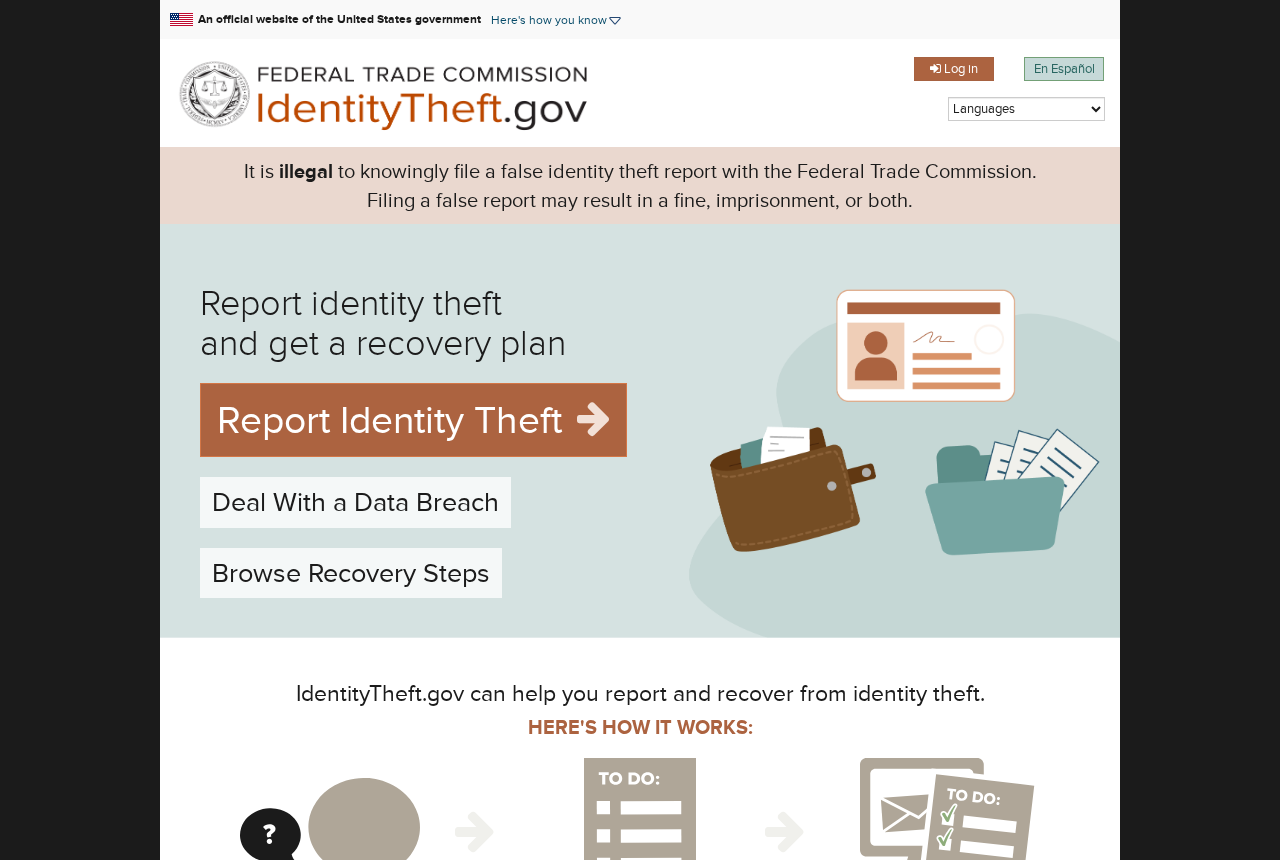
Start a recovery file. In the U.S., IdentityTheft.gov can help you make a report and get next steps. Include only information you can substantiate.
Keep the recovery plan, bank records, and provider case numbers together. Watch for other accounts or alerts that use the same information.
-
Check your credit files and consider a credit freeze. If you find unfamiliar entries, contact the reporting company and the relevant bureau through official channels.
A freeze is for access to your credit file. Follow up separately with Cash App and with any bank that has a payment dispute.
-
Handle formal demands through the proper channel. Verify court papers or an agency notice independently and get legal help promptly if it is genuine.
Don’t pay someone who promises to erase the account, make a warrant go away, or buy leaked records on your behalf.
Frequently Asked Questions
How do I report a Cash App account if I don’t have the app?
Use the phone or support details published on Cash App’s official site. Explain that you’re reporting an account created without your permission, not restoring an existing login.
I received a Cash App code but never signed up. Is that proof?
No. Someone may have mistyped a phone number, attempted to register, or sent a fake message. Don’t share the code. Contact official support if the notices persist.
Does my name on an account prove that I controlled it?
No. A name and a set of identifiers don’t establish who controlled the account. Preserve relevant records and let the provider or qualified authorities investigate.
Will freezing my credit shut down a Cash App account?
No. A credit freeze restricts access to your credit file. It doesn’t close an existing payment account or undo transactions. Report the suspected account separately.
Can my bank tell me who opened the account?
Your bank can investigate activity on your account and explain its own records. It may not have access to another provider’s account application or identity records.
What if a collector or court contacts me about a payment I don’t recognize?
Verify the organization independently and keep the document. Don’t ignore a genuine deadline. For a real court notice, seek qualified legal help promptly.
The Bottom Line
Report a verified Cash App account you didn’t open as suspected identity theft. Don’t try to reset its password or send documents to somebody who contacted you first.
If an unfamiliar charge has already cleared, call your bank as well. Keep both case numbers. A bank dispute and an identity misuse report solve different problems.

Join the discussion
0 commentsShare your experience or ask a question about this article.
Discussion
Start the conversation
Have a question or something useful to share? Add the first comment.