


A fraud caller says a gun purchase was attempted on a card in your name. You don’t even have a card with that bank.
The caller says there’s a way to settle it quickly. You only need to stay on the line.
Overview
A supposed bank investigation turned into a proposed transfer to police
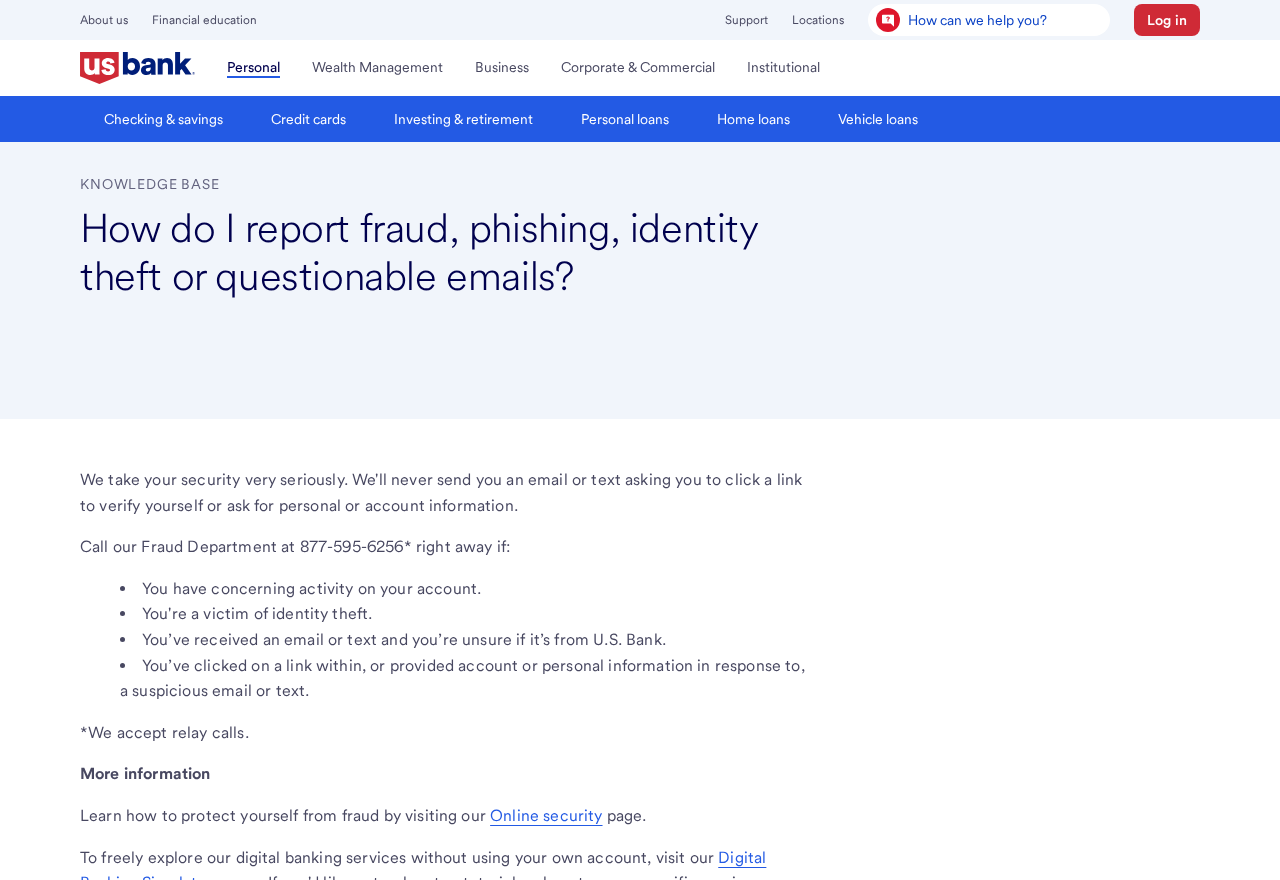
A US recipient said a caller appeared to come from U.S. Bank’s fraud line.
The caller described a card the recipient did not recognize and a reported attempt to buy a gun.
The caller said the recipient needed to contact New York police within two hours. When the recipient said they were nowhere near the precinct, the caller offered to transfer them.
The recipient declined and called the precinct independently. They said the dispatcher had heard the same story from multiple people.
There was no verified purchase or fraudulent card in the report.
Separate reports describe incoming calls using the names of TD and Chase followed by a similar offer to involve New York police. Those reports don’t establish a common caller.
The transfer is the point at which verification breaks down
A phone connection put together by an unknown caller does not identify the person on the other end. It carries the caller’s story into another conversation.
The fraud team can confirm whether it has a card, charge, or alert in your name.
A police department can explain how to report an actual crime through its own channels.
Keep these questions separate:
- Does the bank have a customer or fraudulent account in your name?
- Can the bank find the transaction or application the caller claimed?
- Is there an existing police report from a source you can verify?
- Which office actually handles reports relevant to your location?
- Has anyone asked for codes, identity documents, payments, or remote access?
You can answer those questions without reading back the numbers and details the original caller supplied. Start from a bank app, a public directory, or a trusted existing record.
Accurate-looking account details can be part of the story
In the U.S. Bank report, the caller offered a lot of specific information. That can make a conversation feel formal even when the person has never opened the claimed account.
The FTC’s warning on local police impersonation explains how an incoming number can look familiar and how to check the claim independently.
Use the NYPD’s official reporting page if you need its procedures. A call to another police department may be the appropriate local route.
How the Scam Works
Step 1: The caller describes alarming activity on a supposed new card
A purchase involving a firearm can make a recipient feel the story demands attention. It is still a claim from an unexpected caller. Verify the underlying card first.
If you are not a customer, use the named bank’s public fraud or identity theft contact.
Explain that someone claimed a card exists in your name and ask how to check.
If the bank actually finds an account or application you did not open, treat it as a real identity theft matter. That response can begin without accepting the original caller.
Save the time and what the caller claimed. Do not post the full card account or personal details in a community post.
Step 2: The caller says a report is needed to protect your credit
The caller in this case said a delay could affect the recipient’s credit. The supposed two-hour deadline left little time to ask a second person.
If you genuinely need to report a crime, use the police department’s reporting instructions. If you genuinely need to dispute credit activity, speak to the lender and credit reporting companies.
A fake call can try to tie those two steps together and make both dependent on staying on the line. End the call before checking either one.
You can ask a real representative how to document what happened and whom to contact. They can point to a process you open independently.
Step 3: A transfer is offered as a shortcut
The recipient said the caller offered a direct connection to police. The proposed handoff is where the recipient stopped, so the contents of any later conversation were never verified.
If someone offers a transfer, decline and call the department or bank independently. Look up the number through a source you already trust.
Do not assume a desk name, badge number, or correct-looking caller ID confirms that person’s role. Ask for any actual report reference and check it through official contacts.
If someone asks you to submit an ID or turn on your camera, stop while you check with the genuine agency. It can explain what it actually needs.
Step 4: An independent call separates the alleged case from the real reporting process
In the main report, the recipient called a real precinct and was told the story matched other incoming calls. The original caller’s facts were no longer the only source.
You may get a different answer if you have actual account activity. Check the bank and any relevant credit reports. Give authorities the evidence from genuine records.
If you have already provided information, say what you shared and what the call was about. The people receiving the report need the exposure, not just the caller’s claimed title.
Keep any response or case number from the real agency. If somebody calls again claiming to help with the report, resume through that agency’s own route.
When the Bank Name Is Real but You Never Opened a Card
Ask the bank for its identity theft process. A person can be targeted with a fake account story, and a real application can also be submitted without their permission.
Check what the provider can confirm about the application date, issuing institution, and status. If it finds no account, record that answer rather than guessing who invented the story.
Look through your credit reports for unfamiliar accounts or inquiries. If you find something you do not recognize, contact the lender using information you obtain independently.
The CFPB’s identity theft guidance explains how to use credit freezes, fraud alerts, and formal reports for genuine identity theft.
If you freeze US credit files, remember to use the separate process at each bureau you want to freeze. Keep the confirmation and check what protection you put in place.
If the caller gave you a detailed card or report number
Keep it securely with the notes from the call. Give it to the bank or police only through the verified route when they need it.
A string of digits may identify a real record, a different person’s record, or nothing at all. Let the institution that owns the system check it.
Explain which numbers came from the caller versus what you received after opening an official report. It can help the receiving team understand the relationship between the two contacts.
Who can check each part of the story?
The bank the caller named can tell you whether there is an application or account it needs to investigate. It can explain its own process for customers and noncustomers.
If the caller used the name of U.S. Bank, start at U.S. Bank’s fraud reporting page. For another institution, find its equivalent page independently.
Your existing bank may have no visibility into a new card at a different lender. Call it separately if you disclosed details for an account you already use.
The precinct can explain how to report an impersonation and whether it can verify a reference. A clerk may need a real case number and may limit what they disclose.
If you do find an unfamiliar lender on your credit report, write down its name and when the account appeared. Use its fraud department to begin a separate identity-theft inquiry.
A report to police does not freeze an account. A bank’s fraud ticket may leave the threatening call unreported. Keep both references so you know what each organization is handling.
If you handed over an ID or answered identity questions
Tell the institution exactly which details you gave away. There is a difference between confirming the last two digits of a number and sharing a photo of the full document.
Write down whether you approved a prompt or shared a code, and when. A genuine fraud team can compare that time with account activity if it has the relevant records.
Avoid sending the same document to a messaging account that promises to cancel the supposed police file. Ask the actual institution how it wants you to submit any replacement documentation.
If the story involves an old address, check your known accounts for recent contact changes. Ask each provider whether it sent real notifications before giving the caller any credit.
Before you call the bank, write down the lender’s name and the date of the alleged purchase. You can explain the claim without accepting it as fact.
If the bank gives you a time for follow-up, ask how you can check the status yourself. If a new caller rings, repeat the independent contact process.
A police impersonation report can include multiple calls. Keep their dates and the names used, even if you never spoke to a second person.
What to Do if You Have Fallen Victim to This Scam
End the call and verify the bank and police claims separately. If you shared a one-time code or financial information, act immediately.
-
Decline the transfer. Hang up. Do not accept a callback or dial a number supplied by the caller to verify the story.
-
Contact the bank independently. Ask whether it has a card, application, charge, or fraud alert in your name. Report any activity you did not authorize.
-
Use a genuine police reporting route. Find the appropriate department through its official site. Ask what information it needs about the impersonation.
-
Secure whatever you exposed. If you gave bank information, call the bank. Use IdentityTheft.gov if personal identification was misused or exposed.
-
Preserve the call details. Keep the time, number as displayed, voicemail, and any messages. Write down any action or payment you actually took.
-
Record your official contacts. Save any verified case number. Use that established route if someone contacts you again with the same story.
Ask the bank how to check for unfamiliar online access if you shared secrets. Keep the details of a disputed application separate from anything already showing on an existing account.
If there is an actual report to file, tell the department how you learned about the alleged transaction. Ask how to provide any evidence safely.
If the caller threatens arrest if you hang up, save the threat and report it. Contact emergency services if there is a real immediate threat to safety.
Frequently Asked Questions
Does a gun purchase claim mean I’m part of a criminal investigation?
A stranger’s statement does not establish that. Check the bank account, application, or credit activity through the genuine institutions. Ask the appropriate agency about any actual report.
If you have no independent record of a purchase, describe what the caller claimed without treating it as an event your bank has confirmed.
Can a real bank transfer me to a police department?
Do not use a transfer offered by an unknown incoming caller to verify the call. Get the official number and contact the department yourself.
A genuine police department can explain how to report a crime. Keep the case reference it supplies independently.
Why did the caller know my name or address?
Those details can appear in many places. They do not prove the caller works for a bank. Tell the bank precisely what the person knew and what you revealed.
If the caller supplied a card number, offer that information to the genuine fraud team privately. Let it tell you if it can identify the account.
Should I call the First Precinct because the caller named it?
Check the proper reporting route for your own situation. The recipient in this case used an independently sourced precinct number, which gave them an outside answer.
If you need the NYPD, use its official contact information. Ask which unit or channel is appropriate instead of following a stranger’s transfer.
What if my credit report does show a card I didn’t open?
Contact the issuer’s fraud department, report the identity theft, and ask how to dispute the account with the credit reporting company. Save the lender’s case reference.
You can pursue that matter even if the incoming caller was false. Use the actual account record and the genuine institution to guide your response.
What if I already provided a photo or ID?
Record what was sent and to whom. Follow identity recovery guidance and speak to the issuing agency or provider if it needs to help you secure that document.
If you shared a banking code or account password too, contact the bank immediately and explain which credential was exposed.
The Bottom Line
If a supposed bank fraud investigator offers to transfer you to police over a gun purchase, hang up. Check the claim through the real bank and appropriate agency.
If you supplied personal information or codes, report that exposure and keep the original call records. Use only the case references you obtain through verified channels.

Join the discussion
0 commentsShare your experience or ask a question about this article.
Discussion
Start the conversation
Have a question or something useful to share? Add the first comment.