


A Stream Auto Outlet listing can look reassuring: vehicle photographs, a specific stock number and a prominently displayed Internet Special price.
Before arranging a visit or sending a deposit, check what that price actually includes. The dealership group’s online pricing is central to a federal enforcement case.
Overview
The concern is advertised pricing, not an imaginary dealership
The FTC announced a proposed settlement with Stream Auto Outlet on November 9, 2026, alleging misleading vehicle prices and additional charges.
This is an identifiable dealership group with current inventory pages. The practical issue is whether the advertised figure matches the amount required to purchase the vehicle.
A current listing shows an extra charge explicitly
One current BMW listing displays an Internet Special of $79,487, a separate $175 document fee and a combined Your Price of $79,662.
That visible calculation is an important distinction. It does not establish what another customer would receive in a personalized quote, or settle the FTC’s historical allegations.
Get the purchase total before discussing monthly payments
Do not travel, pay a deposit or sign based only on the Internet Special. Obtain an itemized written quote tied to the exact vehicle.
- Match the quote to the vehicle identification number.
- Separate dealer charges from actual government charges.
- Identify optional products before authorizing any purchase.
- Compare the final contract with the written quote.
- Keep evidence if the numbers change later.
What the FTC Alleges About Stream Auto Outlet
The FTC case record concerns online advertising that allegedly understated the actual purchase price. The matter remains pending in federal court.
According to the complaint, some advertised figures excluded a $3,995 down payment. Other allegations concern required protection products, dealer charges and contradictory assurances about fees.
One alleged written quote included $2,700 for LoJack, $895 for Theft Protection DNA and a $175 document fee.
Those are examples from the regulator’s complaint, not charges we were quoted. We did not submit a credit application, place a deposit or complete a vehicle purchase.
The proposed order would restrict misleading pricing and require prominent disclosure of mandatory purchase charges, apart from government charges.
The proposed settlement is not a trial finding that every allegation is proven. It also does not announce an automatic refund for everyone who bought a car.
For shoppers, the immediate lesson is concrete: a price comparison fails when one dealer includes compulsory charges and another leaves them outside the main figure.
A lower search result can therefore be a worse comparison than a higher, fully itemized offer. Evaluate the actual transaction rather than the headline’s apparent discount.
What the Current BMW Listing Actually Shows
The current example is a pre-owned 2023 BMW X5 M Base, stock 6581, with VIN 5YMJU0C05P9P12568 on streamautooutlet.com.
Its price panel separately lists the $175 document fee under the description State Regulated. The displayed total correctly adds that fee to the Internet Special.
The vehicle photographs carry no-hidden-fees branding. The description also presents the cash and finance price as the same, making written confirmation particularly important.
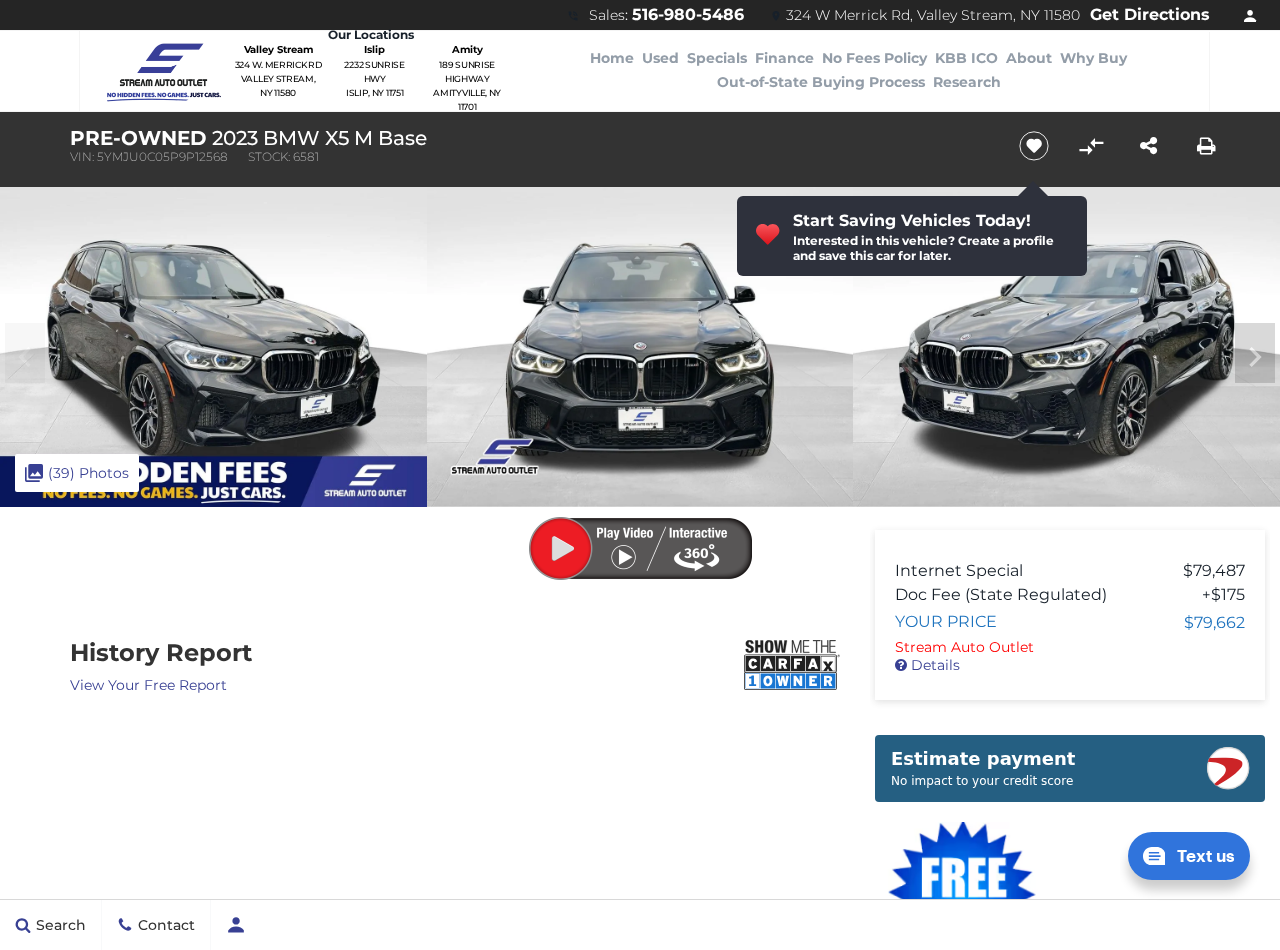
The price panel is useful evidence of the current page, not a promise that the car remains available. Inventory, prices and transaction terms can change.
Nor is that panel a complete personalized out-the-door quote. Registration location, applicable taxes and the final agreed transaction still need to be established.
Keep a copy of the exact listing you relied upon. Include the visible price panel, vehicle identity, any qualifications and the page address.
If a representative sends a different figure, ask for a line-by-line reconciliation. A clear explanation should connect each difference to an identifiable charge or agreed change.
A response consisting only of a monthly payment does not answer that question. It leaves the vehicle price, financed extras and borrowing term unresolved.
A State-Regulated Document Fee Is Not Automatically a State Charge
The phrase State Regulated needs careful reading. A regulated limit on a dealer’s charge is different from a tax or fee imposed by government.
New York DMV guidance says dealers may charge up to $175 for registration-related service, alongside actual title, registration and plate fees.
The FTC complaint specifically challenges representing a dealer document charge as state-required. The amount and the explanation are separate questions.
Ask the dealer to identify who receives each line item. Keep sales tax, title and registration entries separate from document preparation, protection products and other dealership items.
That distinction helps you challenge an explanation without incorrectly demanding removal of a genuine tax. It also makes quotations from different dealerships easier to compare.
Do not assume that every charge bearing an official-sounding name belongs to government. Request its basis in writing and compare it with the relevant agency’s information.
How to Compare the Advertised Price With a Real Purchase Quote
Start with the exact vehicle, not a substitute
Ask whether the listed vehicle is physically available for purchase and which location holds it. Include its stock number and VIN in your request.
A quote for a similar model is not a response about that listing. Differences in trim, mileage, condition or warranty can materially change the comparison.
If the dealer proposes another vehicle, start a separate comparison. Do not let an unavailable bargain become automatic approval for a more expensive replacement.
Ask for the total before financing or trade-in discussions
The FTC’s car-advertising guidance recommends obtaining a written out-the-door price before visiting, including charges and fees.
For this case, ask the representative to show the base vehicle price, dealer items, government charges and complete purchase total as separate entries.
Then ask whether that total depends on dealer-arranged financing, a particular down payment, a trade-in, a rebate qualification or another condition.
These questions should produce a usable number, not another invitation to visit. If the dealer will not provide an intelligible written breakdown, consider a different seller.
Treat the down payment as part of your payment, not a missing price component
Your down payment and borrowed funds together pay for the purchase. They should reconcile to the agreed transaction rather than conceal an additional vehicle-price requirement.
Ask the representative to show where your deposit appears in the paperwork. Check that it is credited once, against the correct vehicle and transaction.
If the quoted vehicle price increases after you disclose your available cash, stop and ask why. Do not accept the changed amount merely because the monthly payment fits.
Request an explanation for each protection product
If a quote contains tracking, theft protection or a service contract, ask for its individual cash price, purpose, provider and cancellation conditions.
State clearly which products you do not want. Request a revised total without them rather than assuming a verbal refusal changed the printed agreement.
If an item is described as mandatory, ask who requires it and under what condition. Preserve the answer alongside the quote instead of relying on memory.
Who Is Selling the Car, Arranging Finance and Handling a Complaint?
The Stream Auto Outlet name covers multiple locations
The current website lists Valley Stream, Islip and Amityville locations. Confirm which branch holds your vehicle before arranging inspection, transport or a deposit.
The complaint names three operating companies associated with those locations. Record the seller’s exact legal name from your quote and purchase agreement.
The contract identifies your actual seller
Match the business named on the agreement with the dealership you contacted. Save its address and the contact handling your transaction, not only the brand logo.
When raising a dispute, identify the vehicle and contracting company first. This reduces confusion when several branches use the same public-facing name.
A finance company has a separate role
The creditor or loan servicer is not interchangeable with the salesperson. Keep the finance agreement and billing contact separate from the vehicle purchase paperwork.
If you dispute an added product, ask where any approved refund would go. A credit to a financed balance is different from cash returned to your bank.
A protection product can have its own administrator
Read the provider and cancellation instructions on each additional contract. Ask whether requests must go through the dealership, administrator or both, and keep proof of submission.
Do not treat a conversation about one product as cancellation of every extra. List each disputed item and the remedy you are requesting separately.
Before You Sign: Keep the Price and Loan Comparisons Separate
A competitive purchase price does not automatically make the financing competitive. Conversely, a manageable payment does not establish a fair vehicle price.
Compare the vehicle total first, then the amount financed, APR, repayment term and total payments. An extended repayment period can disguise the effect of added costs.
The FTC’s financing guide explains these distinctions and recommends checking the final documents against the earlier offer.
If you have a separate financing offer, compare like-for-like terms. Keep the same vehicle price and down payment when evaluating the alternative loan.
Review trade-in figures separately as well. A larger allowance is less useful if the replacement car’s price rises or existing debt increases the new borrowing.
Before paying a reservation deposit, request its terms: what it reserves, how long it lasts, whether it is refundable and which conditions apply.
Keep a receipt identifying the vehicle and agreed amount. A bare payment confirmation does not explain a disputed reservation or establish the terms you accepted.
Read every screen before signing electronically. If the device displays only a signature field, ask to see the complete associated document first.
Save completed copies immediately after you sign. Do not leave yourself dependent on a salesperson sending essential contract pages after the transaction is finished.
A Pricing Dispute Is Different From a Vehicle-Condition Problem
The FTC case concerns pricing representations. It does not establish that this BMW, or every vehicle sold by the group, has a mechanical defect.
Evaluate condition independently of the advertising dispute. Request the vehicle’s Buyers Guide and arrange an independent inspection before committing to a used-car purchase.
The FTC’s used-car guide explains why a vehicle-history report does not replace a mechanical inspection.
Check any promised repair or warranty against the actual documents. An attractive price is not a substitute for knowing who pays when a covered problem occurs.
Do not assume you can simply return the vehicle within three days. Federal law does not create that general right for dealership car purchases.
Ask for any dealer cancellation policy in writing before signing. A promised return option needs identifiable conditions, not a reassuring phrase during the sales conversation.
What to Do if Your Stream Auto Outlet Quote or Contract Has Unexpected Charges
- Save the advertisement and vehicle identity.
Keep the listing address, screenshots, VIN, stock number and date. Preserve any message confirming the advertised price or availability.
- Collect the complete written transaction.
Gather the itemized quote, deposit receipt, purchase agreement, financing contract and separate product contracts. Keep original files rather than overwriting them with annotations.
- Mark the specific differences you dispute.
Compare the advertised figure, written quote and signed contract. Identify each unexpected charge and whether you agreed to it, instead of reporting only a confusing total.
- Request a defined correction in writing.
Address the contracting dealership and list the vehicle, transaction date, disputed items and requested remedy. Ask for a written response and retain the correspondence.
- Use the appropriate complaint route.
Consider the FTC and the relevant state consumer-protection or motor-vehicle authority. Attach a short chronology and evidence; avoid sending unnecessary identity or account documents.
- Handle borrowing obligations separately and promptly.
If you already signed financing, ask the lender about the dispute and seek qualified advice where needed. Do not assume a complaint automatically suspends scheduled payments.
A useful chronology can be short: first advertisement, written quote, visit, payment, signature and discovery of the difference. Attach the document supporting each event.
Keep your request proportionate to the issue. Correcting an unauthorized additional product is different from demanding cancellation of an entire vehicle purchase.
If a representative offers a resolution, obtain its exact terms before accepting. Confirm the amount, payment destination and whether any separate contracts remain active.
Frequently Asked Questions
Is Stream Auto Outlet a fake dealership?
The evidence here concerns a real dealership group’s advertised pricing. It does not establish an invented seller or an entirely fictional vehicle inventory.
The stronger question is whether your exact written purchase terms match the advertised offer. Do not substitute a real address for that financial check.
Does the FTC case prove every current price is misleading?
The complaint contains allegations about particular practices, and the proposed settlement is not a completed trial judgment about every listing.
The current captured BMW page separately displays its $175 document charge. A personalized quote and final contract still need their own review.
Does State Regulated mean the $175 fee goes to New York?
A regulatory limit does not turn a dealer’s charge into a government-imposed payment. Ask who retains it and distinguish actual title, registration and tax amounts.
Can I rely on the monthly payment quoted over the phone?
A monthly figure is not sufficient information. Obtain the purchase total and borrowing terms, including the down payment, amount financed, APR and repayment period, before comparing offers.
Will the FTC settlement automatically refund my dealer fees?
The announced proposed order does not establish an automatic refund for every buyer. Document your own transaction and follow any genuine official instructions that later apply.
What if I have already bought the car?
Compare your signed documents with the advertisement and earlier quote. Raise specific discrepancies in writing and keep copies of any proposed correction.
Check separate product-cancellation conditions without assuming the whole car purchase can be reversed. For a substantial contractual dispute, consider qualified local advice.
The Bottom Line
Stream Auto Outlet’s online pricing deserves close scrutiny because of the specific FTC case, not because a real dealership should be treated as imaginary.
Require a written, itemized total for the exact vehicle before paying or visiting. If the dealer will not explain a difference, do not proceed on reassurance alone.
The advertisement starts the comparison; the purchase contract decides what you actually pay. Make those documents agree before committing your money or signature.

Join the discussion
0 commentsShare your experience or ask a question about this article.
Community experiences
Did this happen to you?
Your experience could help someone recognize the same scam. Submit a private report for our team to review.
I experienced this tooReports are reviewed before publication. Sharing publicly is always your choice.
Discussion
Start the conversation
Have a question or something useful to share? Add the first comment.