

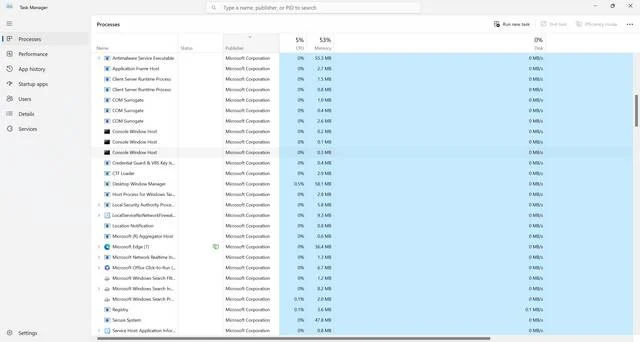
Have you ever come across the process “sysinfocap.exe” while checking your Windows Task Manager and wondered what it is? In this article, we will explore the details of sysinfocap.exe, its purpose, potential risks, and whether or not you should consider uninstalling it. Let’s dive in!
Understanding Sysinfocap.exe
Sysinfocap.exe is a legitimate Windows process that is associated with the system information gathering tool called “Sysinfo Capture.” This tool is commonly used by system administrators, IT professionals, and software developers to collect detailed information about a computer’s hardware and software configuration.
The sysinfocap.exe process is responsible for capturing and generating reports that include information such as the operating system version, hardware specifications, installed software, device drivers, and more. These reports can be useful for troubleshooting, system optimization, and software compatibility checks.
Is Sysinfocap.exe a Malware?
While sysinfocap.exe itself is not a malware, it is important to note that malware authors often use legitimate process names to disguise their malicious activities. Therefore, it is crucial to verify the authenticity of sysinfocap.exe running on your system.
If you suspect that sysinfocap.exe on your computer is malicious, you can perform a thorough scan using a reliable antivirus software like Malwarebytes Free. This will help identify any potential threats and ensure the security of your system.
Determining the Legitimacy of Sysinfocap.exe
To determine whether sysinfocap.exe is legitimate or not, you can follow these steps:
- Check the file location: The legitimate sysinfocap.exe file is usually located in the “C:\Windows\System32” folder. If you find it in any other location, it might be a sign of malware.
- Verify the digital signature: Right-click on the sysinfocap.exe file, go to “Properties,” and navigate to the “Digital Signatures” tab. If the file is digitally signed by Microsoft or any trusted entity, it is likely to be legitimate.
- Scan with antivirus software: Run a scan using a reputable antivirus software like Malwarebytes Free to check for any malware or suspicious activities associated with sysinfocap.exe.
By following these steps, you can ensure the legitimacy of sysinfocap.exe on your system.
Should You Uninstall Sysinfocap.exe?
If you have determined that sysinfocap.exe is legitimate and not associated with any malware, there is generally no need to uninstall it. The sysinfocap.exe process is a useful tool for system administrators and IT professionals to gather essential information about a computer’s configuration.
However, if you notice any unusual behavior or suspect that sysinfocap.exe is causing performance issues on your system, you can consider disabling or uninstalling it. Keep in mind that removing sysinfocap.exe may limit your ability to gather detailed system information for troubleshooting purposes.
Before making any changes, it is recommended to create a system restore point or backup your important files to avoid any unintended consequences.
Conclusion
Sysinfocap.exe is a legitimate Windows process associated with the system information gathering tool called “Sysinfo Capture.” It is responsible for capturing and generating reports about a computer’s hardware and software configuration. While sysinfocap.exe itself is not a malware, it is essential to verify its authenticity to ensure the security of your system.
If you suspect any malicious activity, perform a scan using a reliable antivirus software like Malwarebytes Free. By following the steps mentioned in this article, you can determine the legitimacy of sysinfocap.exe and make an informed decision about whether or not to uninstall it.
Remember, if you choose to uninstall sysinfocap.exe, it may limit your ability to gather detailed system information for troubleshooting purposes. Therefore, it is recommended to proceed with caution and consider the potential impact on your system before making any changes.

Join the discussion
0 commentsShare your experience or ask a question about this article.
Discussion
Start the conversation
Have a question or something useful to share? Add the first comment.