

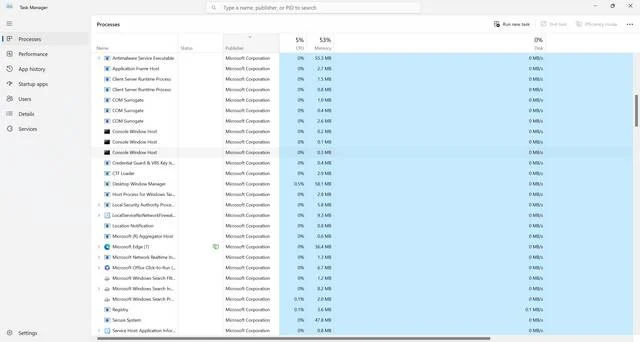
When you open the Task Manager on your Windows computer, you may come across various processes running in the background. One such process that you might notice is the System Event Notification Service (SENS) process. This article aims to provide a detailed understanding of what the SENS process is, why it is running in Task Manager, and its significance in the Windows operating system.
What is the System Event Notification Service (SENS) Process?
The System Event Notification Service (SENS) process is a crucial component of the Windows operating system. It is responsible for monitoring and notifying applications about various system events, such as network connectivity changes, power state changes, and user logon/logoff events. SENS acts as a communication bridge between the operating system and applications, ensuring that they receive timely notifications about important system events.
Why is the SENS Process Running in Task Manager?
Seeing the SENS process running in Task Manager is completely normal and expected. It indicates that the SENS service is actively running in the background, performing its designated tasks. The SENS process is an essential part of the Windows operating system, and its presence in Task Manager signifies that the system event notification mechanism is functioning correctly.
It is worth noting that the SENS process is a legitimate Windows component and not a malicious process. However, it is crucial to remain vigilant and ensure that the process running on your system is indeed the genuine SENS process. Malware and viruses often disguise themselves as legitimate processes to evade detection. To verify the authenticity of the SENS process, it is recommended to scan your system using reliable antivirus or anti-malware software like Malwarebytes Free.
Significance of the SENS Process in the Windows Operating System
The SENS process plays a crucial role in maintaining the stability and functionality of the Windows operating system. Here are some key reasons why the SENS process is significant:
- Network Connectivity: SENS monitors changes in network connectivity, such as connecting or disconnecting from a Wi-Fi network or Ethernet. It notifies applications about these changes, allowing them to adapt their behavior accordingly. For example, an instant messaging application can update its status to reflect the user’s online or offline state.
- Power State Changes: SENS detects changes in the power state of the system, such as when the computer switches from AC power to battery power or vice versa. It notifies applications about these changes, enabling them to adjust their power consumption and behavior accordingly. For instance, a video player application can pause playback when the system switches to battery power to conserve energy.
- User Logon/Logoff Events: SENS notifies applications when a user logs on or logs off from the system. This allows applications to perform specific actions based on user presence. For example, an email client can automatically synchronize emails when a user logs in.
Ensuring the Authenticity of the SENS Process
As mentioned earlier, it is crucial to verify the authenticity of the SENS process running on your system to ensure that it is not a malicious program disguising itself. Here are some steps you can take to ensure the legitimacy of the SENS process:
- Scan for Malware: Regularly scan your system using reputable antivirus or anti-malware software like Malwarebytes Free. These tools can detect and remove any malicious programs that may be masquerading as the SENS process.
- Check File Location: Right-click on the SENS process in Task Manager and select “Open File Location.” This will open the folder where the SENS process executable is located. Ensure that the file is present in the legitimate Windows system directory (usually C:WindowsSystem32).
- Verify Digital Signature: Right-click on the SENS process executable file and select “Properties.” Go to the “Digital Signatures” tab and verify the digital signature. Legitimate Windows processes are usually signed by Microsoft Corporation.
Summary
The System Event Notification Service (SENS) process is an integral part of the Windows operating system. It acts as a communication bridge between the operating system and applications, ensuring that they receive timely notifications about important system events. The presence of the SENS process in Task Manager indicates that the system event notification mechanism is functioning correctly. However, it is essential to verify the authenticity of the SENS process to ensure that it is not a malicious program disguising itself. Regularly scanning your system with reliable antivirus or anti-malware software like Malwarebytes Free can help detect and remove any potential threats.

Join the discussion
0 commentsShare your experience or ask a question about this article.
Discussion
Start the conversation
Have a question or something useful to share? Add the first comment.