

Scammers are constantly finding new ways to trick unsuspecting individuals into falling for their schemes. One such method is through the use of malware emails, with the recent emergence of the ‘Telekom Bill Is Ready’ scam. This article will delve into what this scam is, how it works, what to do if you have fallen victim, and provide valuable insights to help protect yourself from falling prey to similar scams.
What is the ‘Telekom Bill Is Ready’ scam?
The ‘Telekom Bill Is Ready’ scam is an email-based malware attack that targets individuals by posing as a legitimate telecommunications company. The scammers send out emails with subject lines such as “Your Telekom Bill Is Ready” or “Telekom Invoice – Payment Due” to create a sense of urgency and entice recipients to open the email.
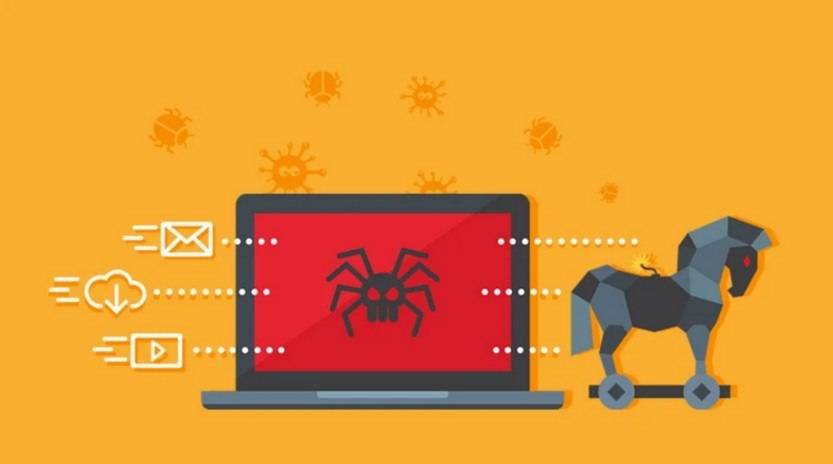
Once the email is opened, it contains a malicious attachment or a link that, when clicked, downloads malware onto the victim’s device. This malware can then steal sensitive information, such as login credentials, financial data, or even take control of the victim’s device.
How does the scam work?
The ‘Telekom Bill Is Ready’ scam relies on social engineering tactics to trick individuals into taking action. Here is a step-by-step breakdown of how the scam typically unfolds:
- The scammer sends out a large number of emails with subject lines related to Telekom bills.
- The email appears to be from a legitimate telecommunications company, complete with official logos and branding.
- The email contains a sense of urgency, such as stating that the bill is overdue or that service will be suspended if not paid immediately.
- The email includes an attachment or a link that the recipient is instructed to open or click on to view the bill.
- Once the attachment is opened or the link is clicked, malware is downloaded onto the victim’s device.
- The malware can then collect sensitive information or take control of the victim’s device.
What to do if you have fallen victim?
If you have fallen victim to the ‘Telekom Bill Is Ready’ scam or any similar malware attack, it is important to take immediate action to minimize the damage. Here are the steps you should follow:
- Disconnect from the internet: Unplug your device from the network to prevent further communication between the malware and the attacker.
- Scan for malware: Run a scan with a reputable antivirus or anti-malware software, such as Malwarebytes Free, to detect and remove any malicious software.
- Change passwords: Change the passwords for all your online accounts, especially those related to banking, email, and social media.
- Monitor accounts: Keep a close eye on your financial accounts and credit reports for any suspicious activity.
- Report the incident: Contact your local authorities and report the scam to the appropriate authorities, such as your country’s cybercrime division.
Protecting yourself from similar scams
While it is impossible to completely eliminate the risk of falling victim to scams, there are several steps you can take to protect yourself:
- Be cautious of unsolicited emails: Avoid opening emails from unknown senders or those that seem suspicious.
- Verify the source: If you receive an email claiming to be from a company or organization, verify its authenticity by contacting them directly through their official website or customer service channels.
- Don’t click on suspicious links or download attachments: Be wary of clicking on links or downloading attachments from emails, especially if they are unexpected or seem suspicious.
- Keep your software up to date: Regularly update your operating system, antivirus software, and other applications to ensure you have the latest security patches.
- Educate yourself: Stay informed about the latest scams and techniques used by scammers to better protect yourself.
Summary
The ‘Telekom Bill Is Ready’ scam is a dangerous malware email attack that targets individuals by posing as a legitimate telecommunications company. By understanding how this scam works and taking proactive measures to protect yourself, such as being cautious of unsolicited emails and verifying the source before clicking on links or downloading attachments, you can significantly reduce the risk of falling victim to such scams. In the unfortunate event that you do fall victim, it is crucial to take immediate action by disconnecting from the internet, scanning for malware, changing passwords, monitoring accounts, and reporting the incident to the appropriate authorities. By staying vigilant and informed, you can better protect yourself from the ever-evolving tactics of scammers.

Join the discussion
0 commentsShare your experience or ask a question about this article.
Discussion
Start the conversation
Have a question or something useful to share? Add the first comment.