

Have you ever noticed a process called Tiworker.exe running on your Windows computer and wondered what it is? Tiworker.exe is a legitimate Windows process that is responsible for installing, uninstalling, and updating Windows components and features. However, some users have reported that Tiworker.exe consumes a lot of system resources, causing their computer to slow down. In this article, we will explore what Tiworker.exe is, why it consumes high CPU usage, and whether you should remove it.
What is Tiworker.exe?
Tiworker.exe is a Windows process that is responsible for installing, uninstalling, and updating Windows components and features. It is a part of the Windows Modules Installer Worker service, which is used to install updates and features on your computer. The Windows Modules Installer Worker service is also known as TrustedInstaller.exe.
When you install a new Windows update or feature, the Windows Modules Installer Worker service checks for any missing or corrupted files and replaces them with the correct ones. This process ensures that your computer is up-to-date and running smoothly. However, this process can take a lot of time and system resources, especially if you have a slow or outdated computer.
Why does Tiworker.exe consume high CPU usage?
As mentioned earlier, Tiworker.exe consumes high CPU usage because it is responsible for installing, uninstalling, and updating Windows components and features. This process can take a lot of time and system resources, especially if you have a slow or outdated computer. Additionally, if you have a lot of pending updates or features to install, Tiworker.exe will consume more CPU usage to complete the process.
If you notice that Tiworker.exe is consuming high CPU usage, you can try to wait for the process to complete. However, if the process takes too long or causes your computer to slow down, you can try to stop the Windows Modules Installer Worker service temporarily. To do this, follow these steps:
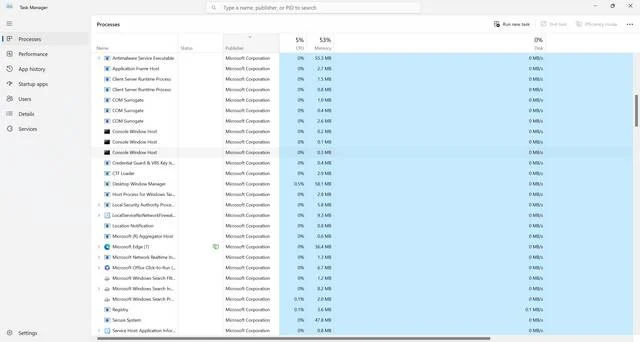
- Open the Task Manager by pressing Ctrl + Shift + Esc.
- Click on the Details tab.
- Find the Tiworker.exe process and right-click on it.
- Select End task.
- Open the Services app by pressing Windows key + R and typing services.msc.
- Find the Windows Modules Installer service and right-click on it.
- Select Stop.
Stopping the Windows Modules Installer service will temporarily stop the Tiworker.exe process and free up system resources. However, you should not disable or remove the Windows Modules Installer service permanently, as it is an essential part of the Windows operating system.
Should I remove Tiworker.exe?
No, you should not remove Tiworker.exe from your computer. Tiworker.exe is a legitimate Windows process that is responsible for installing, uninstalling, and updating Windows components and features. Removing Tiworker.exe can cause your computer to malfunction or become vulnerable to security threats.
However, if you notice that Tiworker.exe is consuming high CPU usage and causing your computer to slow down, you can try to wait for the process to complete or stop the Windows Modules Installer service temporarily, as mentioned earlier. Additionally, you can try to optimize your computer’s performance by updating your drivers, cleaning up your hard drive, and disabling unnecessary startup programs.
Conclusion
Tiworker.exe is a legitimate Windows process that is responsible for installing, uninstalling, and updating Windows components and features. It is a part of the Windows Modules Installer Worker service, which is used to install updates and features on your computer. Tiworker.exe consumes high CPU usage because it is a resource-intensive process that can take a lot of time to complete. However, you should not remove Tiworker.exe from your computer, as it is an essential part of the Windows operating system. Instead, you can try to optimize your computer’s performance by updating your drivers, cleaning up your hard drive, and disabling unnecessary startup programs. If you notice that Tiworker.exe is consuming high CPU usage and causing your computer to slow down, you can try to wait for the process to complete or stop the Windows Modules Installer service temporarily.
If you suspect that your computer is infected with malware or viruses, we recommend scanning your computer with Malwarebytes Free. Malwarebytes is a powerful anti-malware tool that can detect and remove malware, viruses, and other security threats from your computer.

Join the discussion
0 commentsShare your experience or ask a question about this article.
Discussion
Start the conversation
Have a question or something useful to share? Add the first comment.