

Fraudsters are aggressively promoting scam websites impersonating luxury retailer Tory Burch and advertising massive closing down sales up to 90% off. However, these advertised clearance deals are completely fraudulent. Tory Burch is not liquidating inventory or going out of business.
Unfortunately, these incredibly deceptive sham sites are duping thousands into providing payment and personal data that is ultimately stolen. No Tory Burch products are ever shipped out, despite what order confirmations sent state. Learn to recognize signs of these viral Tory Burch closing sale scams targeting bargain hunters online.
This comprehensive guide will provide extensive details on how these shopping scams operate, red flags to watch for, and steps to take if you are victimized by a fake website. Understanding this threat will help all consumers stay vigilant during online purchases.
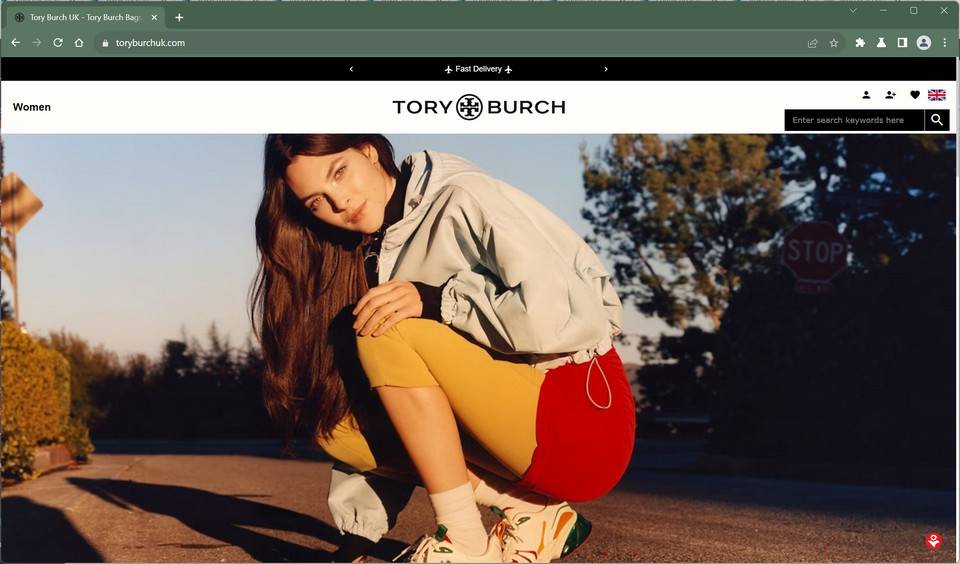
Overview of the Tory Burch Website Scams Targeting Deal Seekers
Increasingly advanced scam websites impersonating major brands like Tory Burch are emerging worldwide to defraud customers. These fakes are promoted through social media ads and search results touting unrealistic blowout offers like “80% off all handbags”.
The remarkably convincing sham sites precisely mimic Tory Burch’s genuine web and shopping experience. However, the scam stores simply steal funds and data from customers who place orders. No products are ever fulfilled or delivered, despite fake order confirmations.
These scams allow criminals to efficiently generate massive profits while leaving victims burdened with stolen identity risks and reversed charges. Studies show younger shoppers are most prone to falling for the advertised fake discounts when browsing online.
An In-Depth Look at How Fraudulent Tory Burch Websites Deceive
Building Deceptive Tory Burch Website Replicas
Modern website builders and e-commerce platforms make it easy for scammers to quickly develop fake stores cloning Tory Burch precisely. The criminals typically operate abroad in countries with weak legal protections.
The sham sites invest substantially in designs and functionality that mirror Tory Burch’s real online shop. High-quality product images, branding, and item descriptions are stolen. Checkout flows, policies, and website copy are nearly identical.
For customers browsing the fake platforms, everything convincingly looks, feels, and operates like Tory Burch’s genuine website. But it is only an elaborate illusion to enable theft.
Luring Victims with Ads Promoting Fake Sales
Once built, the scam Tory Burch sites rely on aggressive social media and search engine ads to attract victims. Ad platforms provide easy access to millions of potential targets.
The fake stores run constant ads boasting unbelievable sitewide discounts like “50% off all items” or huge limited-time clearance sales. The ads link to newly created scam domains continuously cycled by the fraudsters.
Legitimate retailers rarely offer such implausible sales. But the fear of missing bargains makes many social media users click rather than scrutinizing the advertised websites. This split-second decision leads victims to the scam.
Executing the Checkout Scam
When customers visit the fraudulent Tory Burch sites and try to place orders, the sites allow them to seemingly finish checkout normally.
But secretly, the scammers have no actual inventory or intent to ship anything purchased. The sites simply capture entered payment and personal details for criminal motives. No products arrive, despite fake order confirmations.
Any customer service channels set up by the scammers ignore complaints of unshipped orders. The criminals then disappear from victims completely, leaving them confused and defrauded.
Recognizing Red Flags of Fake Tory Burch Websites
These remarkably deceptive fake Tory Burch platforms can fool even savvy shoppers on first glance. But upon closer inspection, several key indicators reveal their fraudulent nature. Watch for these signs:
Unbelievable Sitewide Discounts
Genuine retailers rarely offer more than 20-30% discounts site wide. But scam websites will tout unrealistic deals like “50% off everything” that are economically unfeasible. These exaggerated sales are dangled to encourage hasty purchases.
Missing Contact Information
Authentic Tory Burch sites prominently display customer service contact options like phone, email, and live chat. Fake Tory Burch sites never have working contacts, preventing order issue reporting.
Anonymous Company Details
Scam websites try to hide their ownership by omitting basic corporate information from “About Us” pages. No business licenses, addresses, or leadership team details are provided. Tory Burch is transparent on real sites.
No Social Media Presence
Legitimate brands like Tory Burch maintain active social media accounts for engagement. But fraudulent websites never have genuine social profiles tied to their “brand” since they operate anonymously.
Recently Registered Domains
Many scam sites use new domains registered just weeks before launch. Genuine businesses secure domains long-term. Verify registration dates using WhoIs domain lookup tools.
Plagiarized Policies
Scammers often wholly plagiarize legal terms of service, privacy policies, and return policies from Tory Burch’s real website. Identical text across unrelated sites demonstrates illegitimacy.
Invalid Security Certificates
Authentic Tory Burch platforms use SSL certificates to encrypt browsing sessions and protect checkout security. Fake sites frequently have expired or invalid certs causing browser privacy errors.
Spelling/Grammar Errors
Low quality scam sites contain obvious misspellings and grammar errors throughout product listings and policies. Tory Burch thoroughly proofreads real site content for consistency.
Protecting Yourself if Scammed By a Fake Tory Burch Website
If you unfortunately placed an order on a fraudulent Tory Burch-impersonating website, take these steps to limit damages:
- Immediately contact your bank to report fraudulent charges and have them reversed. Cancel any cards used on the scam site.
- Place fraud alerts on your credit reports and consider freezing credit to block criminals from opening new accounts in your name.
- Carefully monitor bank and credit accounts for any suspicious transactions indicating misuse of your data.
- Change passwords on all online accounts accessed from the device used on the scam site. Enable two-factor authentication where possible.
- File complaints with the FTC, state authorities, and Tory Burch administrators. Provide all details to assist investigations into the criminals.
- Post scam warnings on social media to prevent friends from becoming victims. Include photos of fraudulent ads.
- Review credit card and bank statements routinely to quickly identify recurring scam charges or identity theft patterns.
Frequently Asked Questions About Fake Tory Burch Clearance Sale Scams
Are the huge discounts advertised on the fake Tory Burch sites real?
No. The unrealistic deals up to 80% off are completely fabricated to trick eager shoppers. No products are ever fulfilled or shipped from these scam sites.
How are these complex fake Tory Burch websites able to seem so realistic?
Scammers invest substantially in designs and functionality that precisely mimic Tory Burch’s real e-commerce platforms. But small mistakes reveal their illegitimacy.
What happens to my payment and personal data entered on the scam sites?
Your information is stolen and can be used for identity theft or sold on the dark web. Immediately take preventative actions like fraud alerts.
Can I get my money back if I ordered from a fake Tory Burch website?
If you paid by credit card, you should dispute the charges as fraudulent and have them reversed. If paid another way, contact your bank immediately.
Why are these fake Tory Burch closing sale scams so prevalent right now?
Tory Burch’s global brand recognition allows scammers to quickly fool bargain hunters with their hoax liquidation sales, especially amid retail downturns.
How can I verify if a Tory Burch clearance sale website is real or fake?
Double check the URL matches Tory Burch’s real domain. Real sites have working contact info, valid security certificates, and reasonable prices.
Should I avoid Tory Burch deals online entirely because of these scams?
No, but carefully scrutinize sites and only enter payment/personal data on Tory Burch’s verified domain. Research unfamiliar retailers offering steep discounts before purchasing.
Can I report fake Tory Burch websites or ads to get them removed?
Yes, report scam sites to the FTC. For social media scams, use in-app reporting tools to flag fraudulent accounts, posts, and advertisements. This helps curb the spread.
What precautions can I take to avoid falling victim to shopping scams?
Always verify advertised sales are tied to real brands, inspect sites for red flags, check domain registration dates, avoid “too good to be true” deals, and trust your intuition during online purchases.
Conclusion – Using Caution Against Evolving Online Shopping Scams
As online scammers grow more advanced, consumers must stay vigilant when seeking bargains. Scrutinizing sales, verifying website legitimacy across factors, and trusting instinct when offers seem unrealistic will help shoppers avoid becoming victims. Being an informed buyer is the ultimate protection against constantly adapting scam tactics threatening wallets and identities worldwide.

Join the discussion
0 commentsShare your experience or ask a question about this article.
Discussion
Start the conversation
Have a question or something useful to share? Add the first comment.