

TOSHIBA Assist is a utility program that comes pre-installed on many TOSHIBA laptops and computers. It is designed to provide users with quick access to various system settings and troubleshooting options. While it can be a useful tool for some, others may question its necessity and wonder if it should be removed. In this article, we will explore what TOSHIBA Assist is, its features, potential benefits, and whether or not it is recommended to remove it.
What is TOSHIBA Assist?
TOSHIBA Assist is a software program developed by TOSHIBA Corporation specifically for their laptops and computers. It is typically included as part of the pre-installed software package that comes with a new TOSHIBA device. The main purpose of TOSHIBA Assist is to provide users with easy access to various system settings and troubleshooting options.
Some of the key features of TOSHIBA Assist include:
- System diagnostics and troubleshooting
- Hardware and software configuration
- System recovery and backup
- Network setup and management
- Power management settings
With TOSHIBA Assist, users can quickly access these features and make necessary adjustments to their system settings without having to navigate through multiple menus and settings windows.
Benefits of TOSHIBA Assist
TOSHIBA Assist offers several benefits that can enhance the user experience and improve the overall performance of a TOSHIBA device. Some of the key benefits include:
- Convenience: TOSHIBA Assist provides a centralized location for accessing various system settings and troubleshooting options, making it easier and more convenient for users to manage their device.
- Time-saving: With TOSHIBA Assist, users can quickly diagnose and troubleshoot common issues without the need for extensive technical knowledge or manual configuration.
- System optimization: The software includes features that allow users to optimize their system’s performance, such as power management settings and hardware configuration options.
- System recovery: TOSHIBA Assist offers system recovery and backup options, allowing users to restore their device to a previous state in case of system failures or data loss.
Overall, TOSHIBA Assist can be a valuable tool for TOSHIBA device owners, providing them with easy access to essential system settings and troubleshooting options.
Should I Remove TOSHIBA Assist?
Whether or not to remove TOSHIBA Assist ultimately depends on individual preferences and specific needs. Here are a few factors to consider when deciding whether to remove the software:
- Usage: If you frequently utilize the features and functionalities offered by TOSHIBA Assist, it may be beneficial to keep the software installed. However, if you rarely use it or find alternative methods to access the same settings, removing it may free up system resources.
- System performance: Some users may find that TOSHIBA Assist consumes system resources and slows down their device. If you notice a significant impact on system performance, removing the software may be a viable option.
- Personal preference: If you prefer a clean and minimalistic system without unnecessary pre-installed software, removing TOSHIBA Assist can help achieve that.
Before making a decision, it is recommended to evaluate your specific needs and usage patterns. If you are unsure about the impact of removing TOSHIBA Assist, you can consult TOSHIBA’s support documentation or reach out to their customer support for guidance.
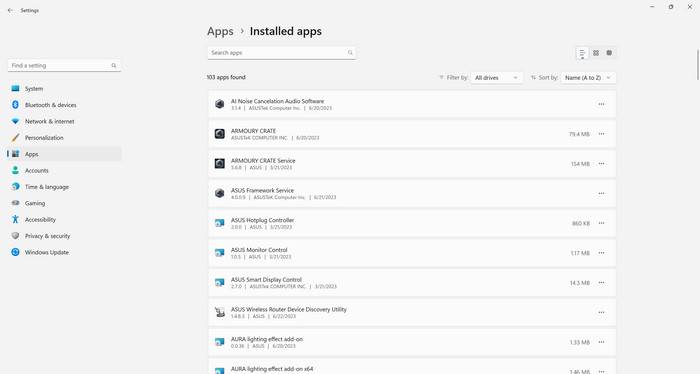
If you decide to remove TOSHIBA Assist, it is important to follow proper uninstallation procedures to avoid any potential issues. You can use the built-in Windows uninstallation tool or a trusted third-party uninstaller program to safely remove the software from your device.
Additionally, it is always a good practice to regularly scan your device for malware and potentially unwanted programs (PUPs). Malwarebytes Free is a reputable and effective anti-malware software that can help detect and remove any malicious or unwanted software from your TOSHIBA device. You can download and run a scan with Malwarebytes Free by visiting their official website: Malwarebytes Free.
Summary
TOSHIBA Assist is a utility program that provides users with quick access to various system settings and troubleshooting options. It offers convenience, time-saving features, system optimization, and system recovery options. Whether or not to remove TOSHIBA Assist depends on individual preferences, usage patterns, and system performance. If you rarely use the software, experience significant system slowdowns, or prefer a minimalistic system, removing TOSHIBA Assist may be a viable option. However, it is important to follow proper uninstallation procedures and consider scanning your device for malware using reputable software like Malwarebytes Free.

Join the discussion
0 commentsShare your experience or ask a question about this article.
Discussion
Start the conversation
Have a question or something useful to share? Add the first comment.