

TOSHIBA ConfigFree is a software utility developed by Toshiba Corporation that is designed to help users manage and troubleshoot their network connections. It provides a range of features and tools that can be useful for both novice and advanced users. However, like any software, it has its pros and cons, and users may wonder whether they should remove it from their systems. In this article, we will explore what TOSHIBA ConfigFree is, its features, potential issues, and whether it is necessary to remove it.
What is TOSHIBA ConfigFree?
TOSHIBA ConfigFree is a network management utility that comes pre-installed on many Toshiba laptops and computers. It is designed to simplify the process of connecting to and managing different types of networks, including wired and wireless connections. The software provides a user-friendly interface that allows users to easily configure and troubleshoot their network settings.
Some of the key features of TOSHIBA ConfigFree include:
- Network Profile Manager: Allows users to create and manage different network profiles for different locations, such as home, office, or public Wi-Fi hotspots.
- Network Troubleshooter: Helps users diagnose and fix common network issues, such as connection drops or slow speeds.
- Wireless Radar: Scans for available wireless networks and displays their signal strength and security settings.
- Internet Connection Quality Monitor: Monitors the quality of the internet connection and provides real-time feedback on factors like latency and packet loss.
Should I Remove TOSHIBA ConfigFree?
Whether or not you should remove TOSHIBA ConfigFree depends on your specific needs and preferences. Here are some factors to consider:
1. Network Management Needs
If you frequently switch between different networks or locations, TOSHIBA ConfigFree can be a useful tool. Its network profile manager allows you to easily switch between different network settings, saving you time and effort. Additionally, the network troubleshooter can help you diagnose and fix common network issues, which can be valuable if you are not familiar with troubleshooting network problems manually.
2. Alternative Network Management Tools
If you already have alternative network management tools that you prefer and are comfortable using, you may not need TOSHIBA ConfigFree. Windows operating systems, for example, provide built-in network management features that can perform similar functions. It is important to assess whether TOSHIBA ConfigFree offers any unique features or benefits that are not available in other tools you already have.
3. System Performance
Some users have reported that TOSHIBA ConfigFree can consume system resources and slow down their computers. If you notice a significant decrease in system performance after installing TOSHIBA ConfigFree, it may be worth considering removing it. However, it is important to note that system performance can be affected by various factors, and TOSHIBA ConfigFree may not be the sole cause of any performance issues.
4. Security Concerns
Like any software, TOSHIBA ConfigFree can have vulnerabilities that could potentially be exploited by malicious actors. It is always recommended to keep your software up to date to ensure you have the latest security patches. If you are concerned about the security of TOSHIBA ConfigFree or have experienced any security-related issues, you may consider removing it.
How to Remove TOSHIBA ConfigFree?
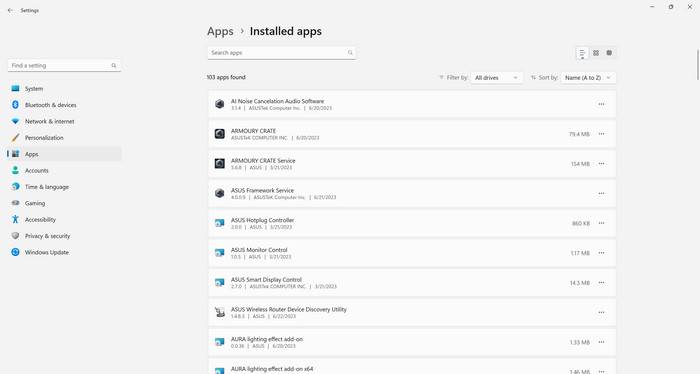
If you have decided to remove TOSHIBA ConfigFree from your system, here are the steps you can follow:
- Open the Control Panel on your Windows computer.
- Select “Programs” or “Programs and Features.”
- Locate TOSHIBA ConfigFree in the list of installed programs.
- Click on TOSHIBA ConfigFree and select “Uninstall” or “Remove.”
- Follow the on-screen instructions to complete the uninstallation process.
After removing TOSHIBA ConfigFree, it is recommended to restart your computer to ensure all changes take effect.
If you are concerned about potential malware or unwanted software on your system, it is always a good idea to perform a thorough scan using a reputable antivirus or anti-malware program. Malwarebytes Free is a popular choice for scanning and removing malware.
Conclusion
TOSHIBA ConfigFree is a network management utility that can be useful for managing and troubleshooting network connections on Toshiba laptops and computers. Whether or not you should remove it depends on your specific needs, preferences, and the presence of alternative network management tools. Consider factors such as your network management needs, availability of alternative tools, system performance, and security concerns when making a decision. If you decide to remove TOSHIBA ConfigFree, follow the steps outlined above and consider performing a malware scan using a reputable program like Malwarebytes Free to ensure the overall security of your system.

Join the discussion
0 commentsShare your experience or ask a question about this article.
Discussion
Start the conversation
Have a question or something useful to share? Add the first comment.