

TOSHIBA Disc Creator is a software program developed by Toshiba Corporation that allows users to create and burn CDs and DVDs. It comes pre-installed on many Toshiba laptops and desktop computers and is designed to provide a convenient and user-friendly way to create discs for various purposes.
What Does TOSHIBA Disc Creator Offer?
TOSHIBA Disc Creator offers a range of features and functionalities that make it a useful tool for users who frequently work with CDs and DVDs. Some of its key features include:
- The ability to create data discs, audio CDs, and video DVDs
- Support for various disc formats, including CD-R, CD-RW, DVD-R, DVD-RW, and DVD+R
- An intuitive user interface that allows users to easily select files and folders to burn onto discs
- The option to create disc labels and covers
- Basic editing capabilities for audio and video files
Overall, TOSHIBA Disc Creator provides a comprehensive set of tools for disc creation and burning, making it a valuable asset for users who frequently engage in these activities.
Should You Remove TOSHIBA Disc Creator?
While TOSHIBA Disc Creator offers a range of useful features, there are a few factors to consider when deciding whether to remove it from your computer:
1. Usage Frequency
If you rarely or never use CDs or DVDs and have no need for disc creation or burning capabilities, removing TOSHIBA Disc Creator may free up valuable system resources and storage space. However, if you occasionally need to create or burn discs, it may be worth keeping the software installed for those specific use cases.
2. Alternative Software
If you decide to remove TOSHIBA Disc Creator, it’s important to consider alternative software options that can fulfill your disc creation and burning needs. There are numerous third-party programs available, such as Nero Burning ROM and ImgBurn, that offer similar functionalities. Research and choose a software that best suits your requirements.
3. System Performance
In some cases, TOSHIBA Disc Creator may consume system resources and impact overall system performance. If you notice significant slowdowns or experience other performance issues, it may be worth considering removing the software to improve your computer’s performance.
4. Security Concerns
While TOSHIBA Disc Creator itself is not known to be malicious, it’s always important to consider potential security risks associated with any software installed on your computer. If you have concerns about the security of TOSHIBA Disc Creator or suspect that it may be causing issues, it’s recommended to scan your computer for malware using a reliable antivirus program like Malwarebytes Free.
How to Remove TOSHIBA Disc Creator
If you’ve decided to remove TOSHIBA Disc Creator from your computer, here are the steps to do so:
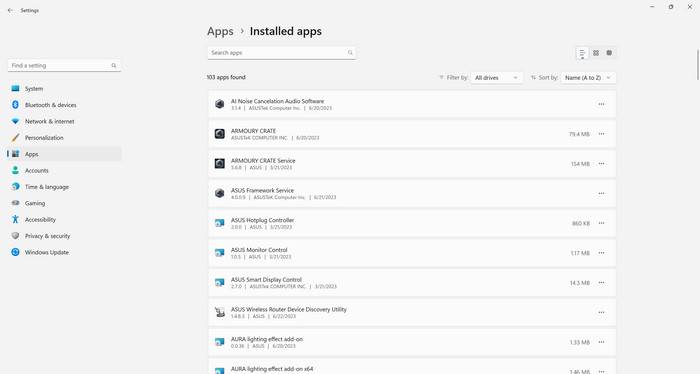
- Open the Control Panel on your Windows computer.
- Select “Uninstall a program” or “Programs and Features.”
- Locate TOSHIBA Disc Creator in the list of installed programs.
- Right-click on TOSHIBA Disc Creator and select “Uninstall” or “Remove.”
- Follow the on-screen prompts to complete the uninstallation process.
After successfully uninstalling TOSHIBA Disc Creator, it’s recommended to restart your computer to ensure all changes take effect.
Conclusion
TOSHIBA Disc Creator is a software program developed by Toshiba Corporation that provides users with a range of features and functionalities for disc creation and burning. Whether you should remove it from your computer depends on factors such as your usage frequency, alternative software options, system performance, and security concerns. If you rarely use CDs or DVDs and have no need for disc creation capabilities, removing TOSHIBA Disc Creator may free up system resources. However, if you occasionally need to create or burn discs, it may be worth keeping the software installed. Consider alternative software options and scan your computer for malware if you have security concerns. Follow the provided steps to uninstall TOSHIBA Disc Creator if you decide to remove it from your computer.

Join the discussion
0 commentsShare your experience or ask a question about this article.
Discussion
Start the conversation
Have a question or something useful to share? Add the first comment.