

TOSHIBA eco Utility is a software program developed by Toshiba that is designed to help users monitor and manage their power consumption on Toshiba laptops. It provides users with information about their energy usage and allows them to adjust power settings to optimize energy efficiency. While this utility can be useful for some users, there are also reasons why you might consider removing it from your system. In this article, we will explore what TOSHIBA eco Utility is, its features, potential drawbacks, and whether or not you should remove it.
What is TOSHIBA eco Utility?
TOSHIBA eco Utility is a power management tool that comes pre-installed on many Toshiba laptops. Its primary purpose is to help users reduce their power consumption and extend battery life. The utility provides users with real-time information about their energy usage, including the amount of power being consumed by various components of the laptop, such as the CPU, display, and hard drive.
With this information, users can make informed decisions about their power settings and adjust them accordingly. TOSHIBA eco Utility allows users to switch between different power modes, such as “High Performance,” “Balanced,” and “Power Saver,” depending on their needs. It also provides options to customize power settings based on specific usage scenarios.
Features of TOSHIBA eco Utility
TOSHIBA eco Utility offers several features that can help users manage their power consumption effectively. Some of its key features include:
- Real-time power consumption monitoring: The utility provides users with real-time information about their energy usage, allowing them to identify power-hungry applications or processes.
- Power mode customization: Users can choose from different power modes or create custom power profiles based on their specific needs.
- Power usage history: TOSHIBA eco Utility keeps a record of power usage history, allowing users to track their energy consumption over time.
- Power-saving recommendations: The utility offers suggestions and recommendations to help users optimize their power settings and reduce energy consumption.
Should I Remove TOSHIBA eco Utility?
While TOSHIBA eco Utility can be a useful tool for managing power consumption, there are a few reasons why you might consider removing it from your system:
- Performance impact: Some users have reported that TOSHIBA eco Utility can have a negative impact on system performance, causing slowdowns or freezes. If you are experiencing performance issues on your Toshiba laptop, removing the utility might help improve performance.
- Compatibility issues: In some cases, TOSHIBA eco Utility may not be compatible with certain software or hardware configurations. If you are encountering compatibility issues or conflicts with other programs, removing the utility could resolve these problems.
- Personal preference: Some users simply prefer to manage their power settings manually or use alternative power management tools. If you feel that TOSHIBA eco Utility does not align with your preferences or needs, removing it might be a viable option.
Before deciding to remove TOSHIBA eco Utility, it is recommended to scan your system for malware using a reliable antivirus program. Malware can sometimes disguise itself as legitimate software, and removing it can help ensure the security and stability of your system. Malwarebytes Free is a highly recommended antivirus program that can help you scan and remove any potential threats.
How to Remove TOSHIBA eco Utility
If you have decided to remove TOSHIBA eco Utility from your system, here are the steps you can follow:
- Open the Control Panel on your Toshiba laptop.
- Select “Programs” or “Programs and Features.”
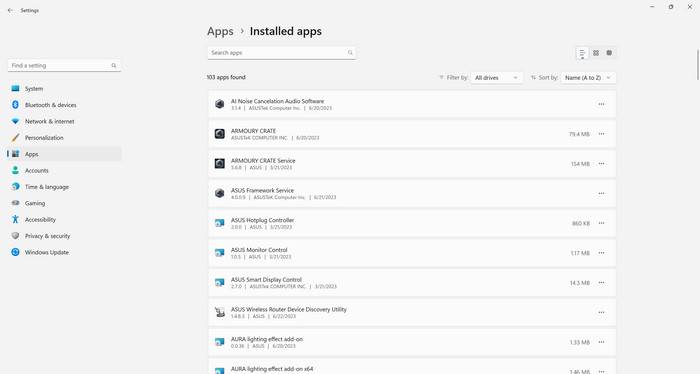
- Locate TOSHIBA eco Utility in the list of installed programs.
- Click on TOSHIBA eco Utility and select “Uninstall” or “Remove.”
- Follow the on-screen instructions to complete the uninstallation process.
After removing TOSHIBA eco Utility, it is recommended to restart your laptop to ensure that all changes take effect.
Conclusion
TOSHIBA eco Utility is a power management tool that can help users monitor and manage their power consumption on Toshiba laptops. While it offers useful features and benefits, there are reasons why you might consider removing it, such as performance issues, compatibility conflicts, or personal preference. Before removing the utility, it is important to scan your system for malware to ensure the security and stability of your laptop. If you decide to remove TOSHIBA eco Utility, follow the steps outlined above to uninstall it properly. Ultimately, the decision to keep or remove the utility depends on your specific needs and preferences.

Join the discussion
0 commentsShare your experience or ask a question about this article.
Discussion
Start the conversation
Have a question or something useful to share? Add the first comment.