

When it comes to maintaining the performance and security of your Toshiba laptop, it’s important to understand the various software and tools that come pre-installed on your device. One such tool is the Toshiba Laptop Checkup, which is designed to help users monitor and optimize their laptop’s performance. In this article, we will explore what the Toshiba Laptop Checkup is, how it works, and whether or not you should remove it from your device.
What is Toshiba Laptop Checkup?
The Toshiba Laptop Checkup is a software program developed by Toshiba that is pre-installed on many Toshiba laptops. It is designed to provide users with a comprehensive system analysis and optimization tool. The Checkup scans your laptop for potential issues, such as outdated drivers, unnecessary startup programs, and fragmented files, and provides recommendations for improving performance and stability.
Some of the key features of the Toshiba Laptop Checkup include:
- System analysis: The Checkup scans your laptop’s hardware and software components to identify any potential issues or areas for improvement.
- Driver updates: It checks for outdated drivers and provides recommendations for updating them to ensure compatibility and performance.
- Startup optimization: The Checkup identifies unnecessary programs that launch at startup and allows you to disable them, reducing boot time and improving overall performance.
- File cleanup: It scans for fragmented files and offers to defragment them, which can improve file access speed.
- Security analysis: The Checkup checks for potential security vulnerabilities and provides recommendations for enhancing your laptop’s security.
Should I Remove Toshiba Laptop Checkup?
Whether or not you should remove the Toshiba Laptop Checkup depends on your specific needs and preferences. Here are a few factors to consider:
1. Performance Optimization
If you want to ensure that your Toshiba laptop is running at its best, the Checkup can be a valuable tool. It helps identify and resolve performance issues, such as outdated drivers and unnecessary startup programs. By following its recommendations, you can optimize your laptop’s performance and potentially improve its speed and responsiveness.
2. Security Analysis
The Checkup also includes a security analysis feature that scans for potential vulnerabilities on your laptop. It can help identify security risks and provide recommendations for enhancing your laptop’s security. This can be particularly useful if you are concerned about protecting your personal data and preventing unauthorized access to your device.
3. Personal Preference
Some users may prefer to have more control over their laptop’s performance and security settings. If you are comfortable manually managing driver updates, startup programs, and security settings, you may choose to remove the Checkup and rely on other tools or methods for system optimization and security.
How to Remove Toshiba Laptop Checkup
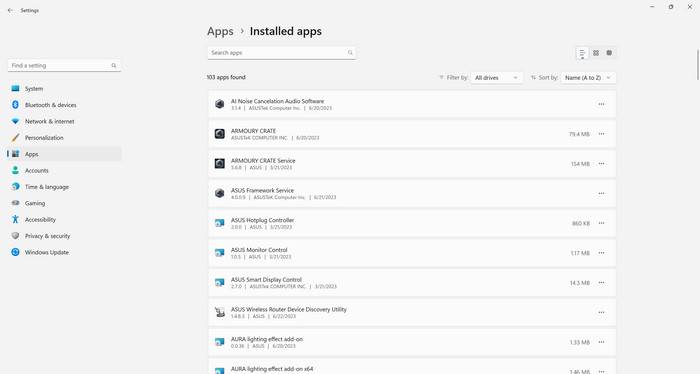
If you have decided to remove the Toshiba Laptop Checkup from your device, here are the steps to do so:
- Open the Control Panel on your Toshiba laptop.
- Select “Programs” or “Programs and Features.”
- Locate “Toshiba Laptop Checkup” in the list of installed programs.
- Click on it and select “Uninstall” or “Remove.”
- Follow the on-screen prompts to complete the uninstallation process.
After removing the Checkup, it is recommended to perform a thorough scan for malware to ensure that no potentially harmful files or programs were left behind. Malwarebytes Free is a reliable and effective tool for scanning and removing malware from your laptop.
Conclusion
The Toshiba Laptop Checkup is a useful tool for optimizing the performance and security of your Toshiba laptop. It provides system analysis, driver updates, startup optimization, file cleanup, and security analysis features to help you maintain your device’s performance and protect your data. Whether or not you should remove it depends on your personal preferences and needs. If you prefer more control over your laptop’s settings or already have alternative tools for system optimization and security, you may choose to remove it. However, if you want a convenient and comprehensive tool to help you optimize your laptop’s performance and security, the Toshiba Laptop Checkup can be a valuable addition to your device.

Join the discussion
0 commentsShare your experience or ask a question about this article.
Discussion
Start the conversation
Have a question or something useful to share? Add the first comment.