

TOSHIBA Service Station is a software program developed by TOSHIBA Corporation that comes pre-installed on many TOSHIBA laptops and desktop computers. It is designed to help users keep their TOSHIBA devices up to date by providing updates for drivers, BIOS, and other software components. However, some users may question whether they should remove this program from their devices. In this article, we will explore what TOSHIBA Service Station is, its features, potential issues, and whether it is necessary to keep it installed.
What is TOSHIBA Service Station?
TOSHIBA Service Station is a utility program that comes pre-installed on TOSHIBA laptops and desktop computers. Its main purpose is to provide users with updates for various software components, including drivers, BIOS, and TOSHIBA-specific applications. The program runs in the background and periodically checks for updates, notifying users when new updates are available.
Some of the key features of TOSHIBA Service Station include:
- Automatic driver updates: TOSHIBA Service Station scans the system for outdated drivers and provides users with the option to download and install the latest versions.
- BIOS updates: The program also checks for BIOS updates and allows users to easily update their system’s firmware.
- Software updates: TOSHIBA Service Station can also provide updates for TOSHIBA-specific applications and utilities.
- System information: The program provides users with detailed information about their TOSHIBA device, including hardware specifications and software versions.
Should I Remove TOSHIBA Service Station?
While TOSHIBA Service Station can be a useful tool for keeping your TOSHIBA device up to date, there are a few factors to consider before deciding whether to remove it:
1. Reliability and Compatibility
Some users have reported issues with TOSHIBA Service Station, such as failed updates or compatibility problems with certain software components. These issues can be frustrating and may lead some users to consider removing the program. However, it is important to note that these problems are not widespread and may vary depending on the specific TOSHIBA device and software configuration.
2. Manual Updates
If you are comfortable manually updating your drivers, BIOS, and software components, you may not need TOSHIBA Service Station. Many of these updates can be obtained directly from the TOSHIBA website or other reliable sources. However, keep in mind that manually updating these components can be time-consuming and may require technical knowledge.
3. System Performance
Some users have reported that TOSHIBA Service Station can consume system resources and slow down their devices. If you notice a significant impact on system performance, you may consider removing the program to improve overall performance. However, it is important to note that the impact on system performance may vary depending on the specific TOSHIBA device and software configuration.
How to Remove TOSHIBA Service Station?
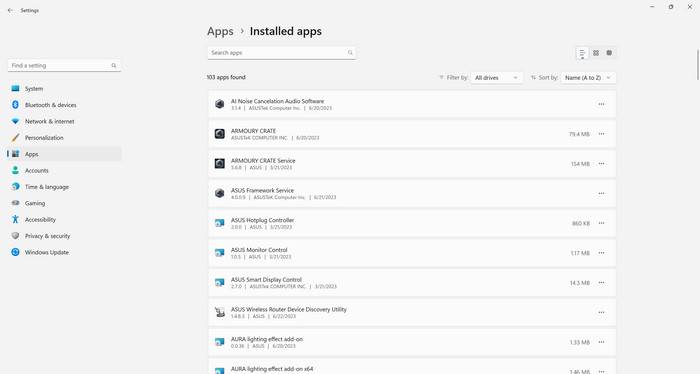
If you have decided to remove TOSHIBA Service Station from your device, you can do so using the following steps:
- Open the Control Panel on your TOSHIBA device.
- Select “Programs” or “Programs and Features.”
- Locate TOSHIBA Service Station in the list of installed programs.
- Click on TOSHIBA Service Station and select “Uninstall” or “Remove.”
- Follow the on-screen instructions to complete the uninstallation process.
After removing TOSHIBA Service Station, it is recommended to restart your device to ensure that all changes take effect.
Conclusion
TOSHIBA Service Station is a utility program that provides users with updates for drivers, BIOS, and TOSHIBA-specific applications. While it can be a useful tool for keeping your TOSHIBA device up to date, there are factors to consider before deciding whether to remove it. Issues with reliability and compatibility, the ability to manually update components, and the impact on system performance should all be taken into account. If you decide to remove TOSHIBA Service Station, follow the provided steps to uninstall it properly. Ultimately, the decision to remove TOSHIBA Service Station depends on your specific needs and preferences.

Join the discussion
0 commentsShare your experience or ask a question about this article.
Discussion
Start the conversation
Have a question or something useful to share? Add the first comment.