

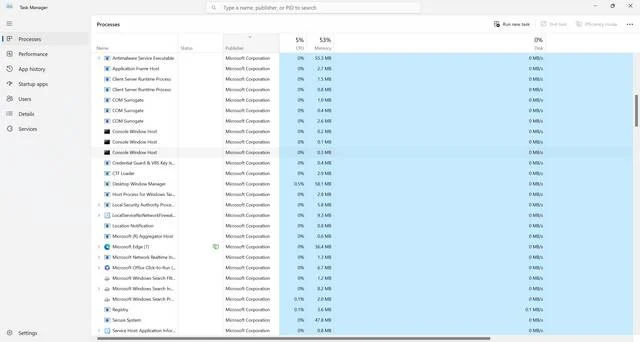
When you open the Task Manager on your Windows computer, you may notice a process called “Touch Keyboard and Handwriting Panel Service” running in the background. This process, also known as “TabTip.exe,” is responsible for providing touch keyboard and handwriting input functionality on your device. In this article, we will explore why this process is running in Task Manager and its significance in enhancing user experience.
Understanding the Touch Keyboard and Handwriting Panel Service
The Touch Keyboard and Handwriting Panel Service is a system process that enables users to input text using the touch keyboard or handwriting recognition on their Windows devices. It is an essential component of the Windows operating system, providing a convenient and intuitive way to interact with touch-enabled devices such as tablets, 2-in-1 laptops, and touchscreens.
This service is particularly useful for users who prefer using touch-based input methods or have devices without physical keyboards. It allows them to type using an on-screen keyboard or write directly on the screen using a stylus or their finger.
Why is it Running in Task Manager?
The presence of the Touch Keyboard and Handwriting Panel Service process in Task Manager is completely normal and expected. It indicates that the service is actively running in the background, ready to provide touch keyboard and handwriting input functionality whenever needed.
Windows automatically starts this process during system startup to ensure that the touch keyboard and handwriting panel are readily available to users. It remains active even if you are not currently using the touch keyboard or handwriting input, as it needs to be prepared for immediate use whenever required.
While the process may consume a small amount of system resources, it is generally lightweight and designed to have minimal impact on overall system performance. However, if you notice unusually high CPU or memory usage by the Touch Keyboard and Handwriting Panel Service, it could indicate a potential issue that needs to be addressed.
Potential Issues and Troubleshooting
In some cases, the Touch Keyboard and Handwriting Panel Service process may malfunction or cause performance issues on your computer. Here are a few potential issues and troubleshooting steps:
1. High CPU or Memory Usage:
If you notice excessive CPU or memory usage by the Touch Keyboard and Handwriting Panel Service, it could be due to a software glitch or conflict. To resolve this issue, you can try the following:
- Restart your computer: Sometimes, a simple restart can resolve temporary glitches and free up system resources.
- Update Windows: Make sure your Windows operating system is up to date. Microsoft often releases updates that address performance issues and bugs.
- Scan for viruses or malware: Malware or viruses can cause abnormal system behavior. It is recommended to scan your computer using a reliable antivirus software like Malwarebytes Free.
2. Touch Keyboard or Handwriting Panel Not Working:
If the touch keyboard or handwriting panel is not functioning correctly, you can try the following troubleshooting steps:
- Restart the Touch Keyboard and Handwriting Panel Service: Open the Services Manager by pressing Windows + R, typing “services.msc,” and pressing Enter. Locate the “Touch Keyboard and Handwriting Panel Service” in the list, right-click on it, and select “Restart.”
- Check for driver updates: Outdated or incompatible drivers can cause issues with touch input. Visit your device manufacturer’s website and download the latest drivers for your specific model.
- Perform a system file check: Open Command Prompt as an administrator and run the command “sfc /scannow” to scan and repair any corrupted system files.
Conclusion
The Touch Keyboard and Handwriting Panel Service process running in Task Manager is an integral part of the Windows operating system, providing touch keyboard and handwriting input functionality. It ensures that users can easily interact with touch-enabled devices and input text using on-screen keyboards or handwriting recognition. While the process is generally lightweight and should not cause performance issues, troubleshooting steps can be taken if any problems arise. By understanding the purpose and significance of this process, users can make the most of their touch-enabled Windows devices.

Join the discussion
0 commentsShare your experience or ask a question about this article.
Discussion
Start the conversation
Have a question or something useful to share? Add the first comment.