

Imagine losing over 10 pounds in just one week—no exercise, no dieting, and no effort beyond peeling a sticker and putting it on your stomach. That’s the promise behind TrimPatch and its aliases like RapidPatch, BurnPatch, and LeanPatch. Their ads are all over social media and suspicious “news” websites, claiming to help you shed pounds magically through a simple herbal patch.
But does it really work? Or is it just another cleverly disguised scam targeting desperate consumers? In this comprehensive article we’ll reveal the red flags, fake endorsements, misleading tactics, and the real risks behind TrimPatch.
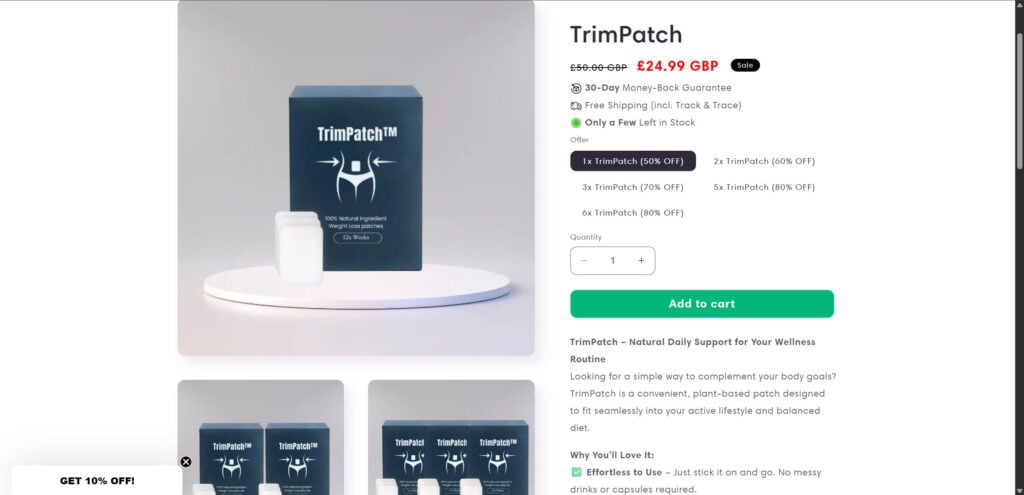
Scam Overview: What Is TrimPatch and What Does It Claim?
TrimPatch is marketed as a natural weight loss patch that you simply apply to your body. The makers claim it can:
- Burn fat 3x faster than traditional diets
- Help you lose up to 11 pounds in 7 days
- Boost metabolism and reduce appetite through skin absorption
- Activate leptin hormone levels
- Provide visible results while you sleep
The promotional language is highly aggressive:
“Melt 3.5kg of stubborn belly fat in 14 days — no diet or workouts needed!”
It also features fake urgency like:
- “Only available on this page!”
- “Exclusive Facebook offer ending in 01:29:47”
- “Only 7 units left!”
The website offers multiple discounts, from 50% to 80% off, and presents a 30-day money-back guarantee to entice buyers.
But when you dig deeper, the entire setup begins to unravel.
How the TrimPatch Scam Works
Step 1: Clickbait & Fake Endorsements
TrimPatch ads often appear through Facebook or TikTok, linking to fake articles designed to look like they’re from reputable news outlets (e.g., “The Times”). These articles usually show photos of women over 50 who supposedly lost incredible amounts of weight thanks to the patch.
They use stock images of happy users and fake doctor endorsements. For example:
- The doctor shown in the ad is a stock model.
- No scientific institution or licensing board supports the claims.
Step 2: Psychological Pressure and Scarcity
Visitors are bombarded with:
- Countdown timers
- “Low inventory” messages
- Fake review scores (“4.8 stars based on 4,452 reviews”)
This encourages impulse buying without research.
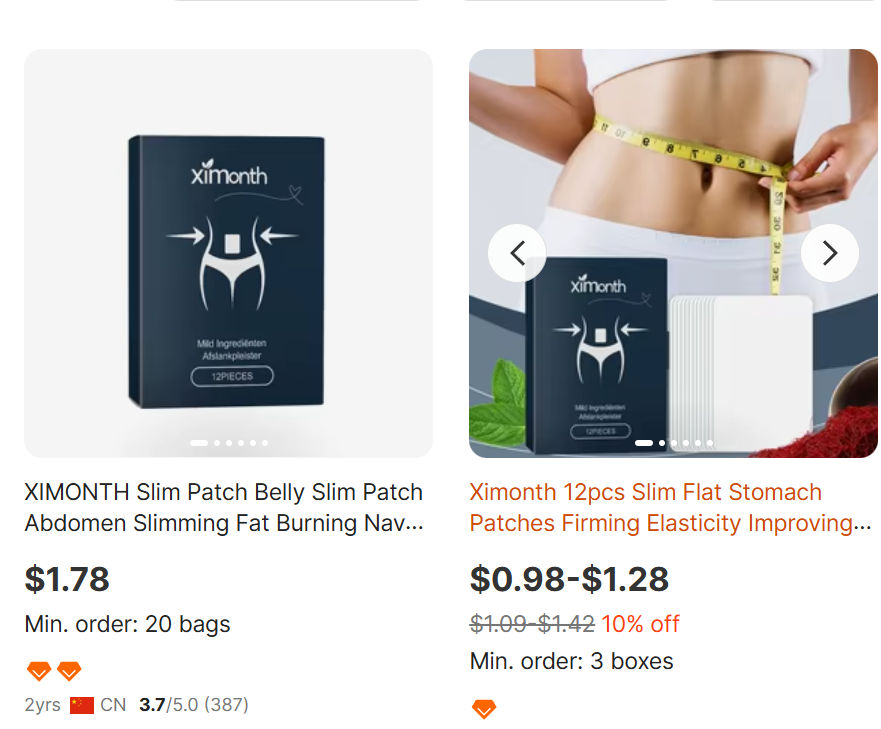
Step 3: Massive Markup from Alibaba Products
The exact product design (same packaging, same icons) is available on Alibaba for $0.98 to $1.78 under names like XIMONTH Slim Patch.
TrimPatch sellers buy in bulk for $1 and resell it at $25 to $50.
Step 4: Delivery Delays and Unresponsive Support
Buyers often receive:
- Delayed or missing shipments
- White, unmarked stickers with no ingredients
- No product documentation
When they try to get a refund? Customer service is either unreachable or refuses to refund.
Step 5: Dubious Refund Policies
Though a 30-day money-back guarantee is mentioned, users report being ignored or denied returns unless the product is unused, which makes it a trap.
Red Flags That Scream “SCAM”
- Unrealistic Claims: Losing 11 pounds in 7 days with no diet or exercise is medically unsound.
- No Scientific Proof: No peer-reviewed research backs up the efficacy of herbal ingredients applied through the skin.
- Fake Endorsements: Images of doctors and celebrity testimonials are fabricated.
- Fake Reviews: No verified purchases; only generic names and stock photos.
- Clone Packaging: Alibaba shows identical packaging under unrelated brand names.
- Lack of Transparency: No real company name, address, or contact details.
- Health Risks: Reported rashes and skin irritation suggest unsafe or unregulated ingredients.
The Science (or Lack Thereof): Can a Patch Burn Fat?
TrimPatch claims to burn fat through ingredients like green tea extract, caffeine, and other “natural boosters.”
However:
- Transdermal absorption of these ingredients at fat-burning levels is not scientifically supported.
- There is no evidence that leptin (a hormone that regulates hunger) can be boosted via a patch.
- Real fat loss occurs through caloric deficit, not stickers.
If these patches worked, they would be prescribed by doctors and approved by regulators like the FDA.
What to Do If You Fell for the TrimPatch Scam
1. Stop Using the Product Immediately
If you develop rashes or side effects, remove the patch and wash the area with soap and water.
2. Contact Your Payment Provider
- Request a chargeback from PayPal, your credit card, or bank.
- Explain that the product was misrepresented and possibly unsafe.
3. Report the Scam
- UK: Report to Action Fraud (www.actionfraud.police.uk)
- US: Report to the FTC (reportfraud.ftc.gov)
- EU: Use your national consumer protection agency
4. Leave Public Reviews
Warn others by posting your experience on:
- TrustPilot
- Reddit (e.g., r/Scams)
- Facebook product ads
5. Avoid Future Dropshipping Scams
Always research:
- Company details
- Ingredient lists
- Third-party reviews
If the offer looks too good to be true, it probably is.
Frequently Asked Questions (FAQ) About the TrimPatch Scam
Is TrimPatch a legitimate weight loss product?
No, TrimPatch is not a medically verified or scientifically supported weight loss product. It is a dropshipping item marketed with exaggerated claims and deceptive tactics.
Can you really lose 11 pounds in 7 days using TrimPatch?
No. There is no clinical evidence that a patch can cause such rapid fat loss. Safe and sustainable weight loss typically occurs at a rate of 1 to 2 pounds per week through diet and exercise.
Does TrimPatch contain proven fat-burning ingredients?
While the product claims to include ingredients like green tea extract and caffeine, there is no proof that these can be absorbed effectively through the skin to cause fat loss.
Is TrimPatch approved by any health authorities?
No. There is no approval from the FDA, NHS, EMA, or any legitimate medical regulatory agency. It is marketed as a cosmetic product to avoid stricter scrutiny.
Why does TrimPatch appear on Alibaba for under $2?
TrimPatch is a generic, low-cost patch sourced from suppliers on Alibaba and repackaged by marketers who mark it up heavily and sell it through Facebook ads and fake websites.
Are the doctors and testimonials shown in the ads real?
No. The doctors are stock photos, and the testimonials are either fabricated or staged. There is no real evidence that verified users experienced the results shown.
What happens after you place an order?
Many users report receiving unbranded stickers, incomplete orders, or no shipment at all. Customer service is often unresponsive or refuses refunds.
Is there a real money-back guarantee?
While a 30-day guarantee is advertised, many customers report being denied refunds or ignored after requesting them. The guarantee appears to be a sales tactic rather than a reliable policy.
What should I do if I already bought TrimPatch?
Stop using the product immediately. If you paid with a credit card or PayPal, initiate a chargeback. Report the seller to consumer protection agencies and post your experience to warn others.
Is TrimPatch safe to use?
Some users have reported skin irritation and rashes. Because the ingredients are not disclosed or regulated, the product may pose health risks, especially for people with sensitive skin or allergies.
The Bottom Line: Should You Buy TrimPatch?
Absolutely not.
TrimPatch is not a legitimate weight loss solution. It is a low-cost sticker, sold under the guise of a miracle product through heavy-handed marketing, fake science, and predatory tactics. There is zero evidence to support its claims, and a mountain of complaints suggesting it’s a scam.
Stick with real, sustainable approaches to weight loss like:
- Healthy diet changes
- Regular physical activity
- Evidence-based supplements (when approved by a doctor)
TrimPatch, BurnPatch, LeanPatch — no matter what they call it, it’s the same scam rebranded.

Join the discussion
0 commentsShare your experience or ask a question about this article.
Discussion
Start the conversation
Have a question or something useful to share? Add the first comment.