

Unity Web Player is a browser plugin that allows users to play 3D content created with the Unity game engine directly in their web browsers. It was developed by Unity Technologies and was widely used in the past to run interactive 3D games and applications on websites. However, with the rise of newer technologies and the discontinuation of support for Unity Web Player, many users are left wondering whether they should uninstall it from their systems. In this article, we will explore what Unity Web Player is, its current status, and whether it is necessary to uninstall it.
What is Unity Web Player?
Unity Web Player is a browser plugin that enables users to play 3D games and applications directly in their web browsers. It was widely used in the past, especially in the early 2010s, when Unity was one of the most popular game engines for web-based games. Unity Web Player allowed developers to create interactive and visually appealing 3D content that could be easily accessed by users without the need for additional installations or downloads.
Unity Web Player was compatible with major web browsers such as Internet Explorer, Firefox, and Chrome. It provided a seamless experience for users, allowing them to enjoy a wide range of games and applications without the need for a dedicated gaming console or high-end hardware.
The Current Status of Unity Web Player
Despite its popularity in the past, Unity Web Player is no longer actively supported by Unity Technologies. The company announced the deprecation of Unity Web Player in 2015, stating that they would focus on developing WebGL, a new technology that allows running 3D content directly in modern web browsers without the need for plugins.
As a result, many web developers have transitioned to using WebGL instead of Unity Web Player to create and distribute their 3D content. WebGL offers better performance, improved security, and broader compatibility with modern web browsers. This shift in technology has led to a decline in the usage of Unity Web Player, with many websites and games no longer relying on it.
Should I Uninstall Unity Web Player?
Considering the current status of Unity Web Player, it is generally recommended to uninstall it from your system. Here are a few reasons why:
- Security Risks: Since Unity Web Player is no longer actively supported, it may pose security risks to your system. Outdated plugins can become vulnerable to exploits and malware attacks. It is always advisable to remove any software that is no longer actively maintained to minimize potential security threats.
- Compatibility Issues: As web browsers continue to evolve, there is a possibility that Unity Web Player may become incompatible with future browser updates. This could result in broken or non-functional content on websites that still rely on Unity Web Player. Uninstalling it ensures that you won’t encounter any compatibility issues in the future.
- Performance Impact: Unity Web Player can consume system resources, potentially affecting the overall performance of your computer. By uninstalling it, you can free up valuable resources and improve the performance of your system.
If you decide to uninstall Unity Web Player, it is important to note that some websites may still require it to run certain games or applications. In such cases, you may need to install Unity Web Player temporarily or consider alternative options provided by the website.
How to Uninstall Unity Web Player
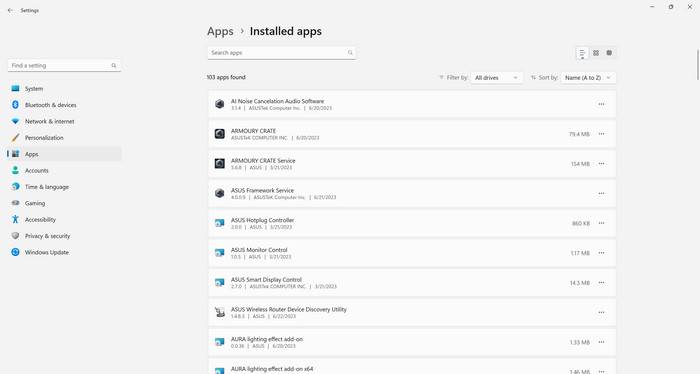
Uninstalling Unity Web Player is a straightforward process. Here’s how you can do it:
- Open the Control Panel on your Windows computer.
- Select “Programs” or “Programs and Features.”
- Locate Unity Web Player in the list of installed programs.
- Right-click on Unity Web Player and select “Uninstall” or “Remove.”
- Follow the on-screen instructions to complete the uninstallation process.
After uninstalling Unity Web Player, it is recommended to scan your system for any potential malware or unwanted programs. Malwarebytes Free is a reliable and effective tool for scanning and removing malware. You can download it from Malwarebytes Free.
Conclusion
Unity Web Player, once a popular browser plugin for playing 3D content, is no longer actively supported by Unity Technologies. With the rise of newer technologies like WebGL, it is generally recommended to uninstall Unity Web Player from your system. Uninstalling it reduces security risks, avoids potential compatibility issues, and improves system performance. However, keep in mind that some websites may still require Unity Web Player for certain games or applications. In such cases, you may need to temporarily install it or explore alternative options provided by the website. Remember to scan your system for malware after uninstalling Unity Web Player using a reliable tool like Malwarebytes Free.

Join the discussion
0 commentsShare your experience or ask a question about this article.
Discussion
Start the conversation
Have a question or something useful to share? Add the first comment.